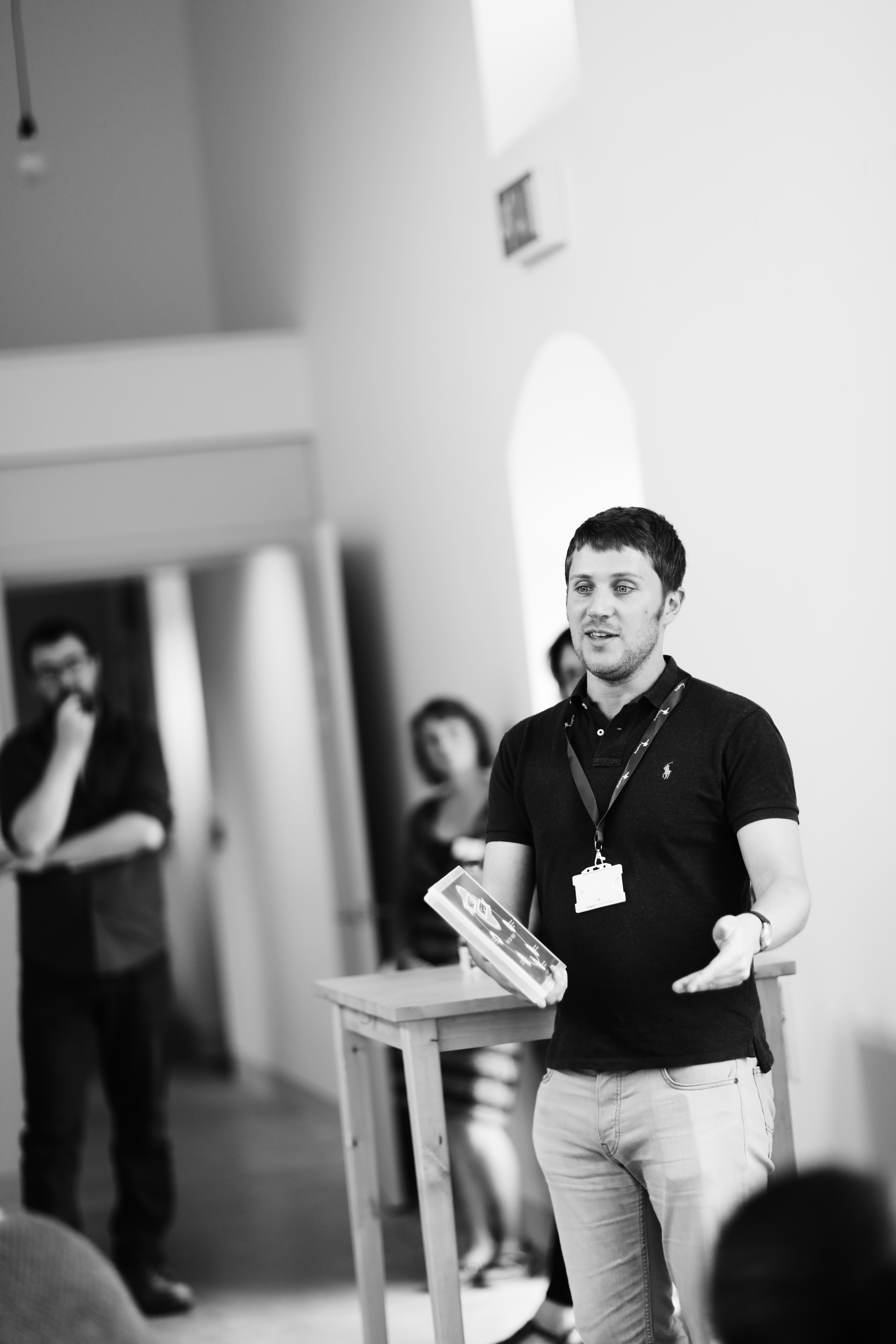
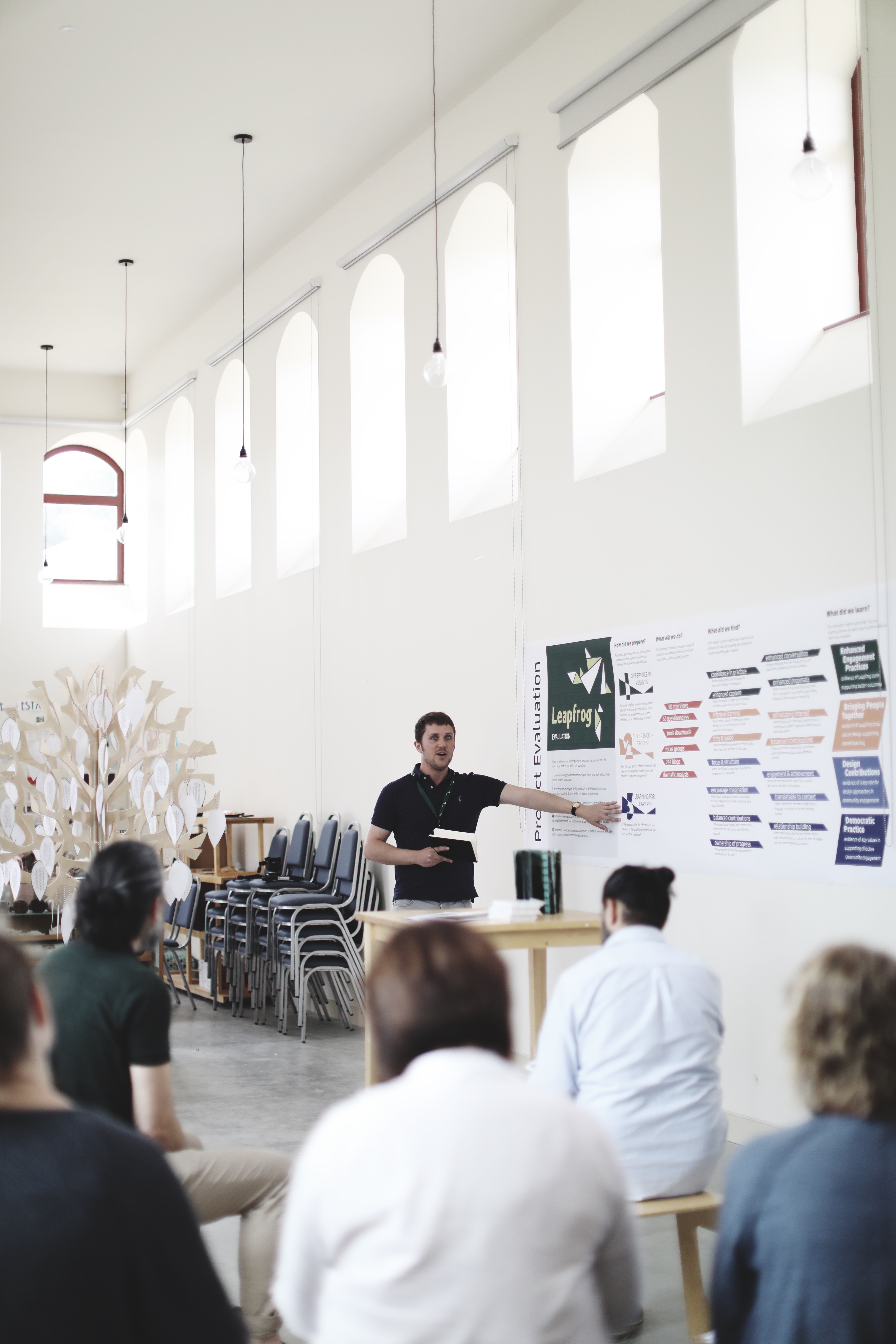
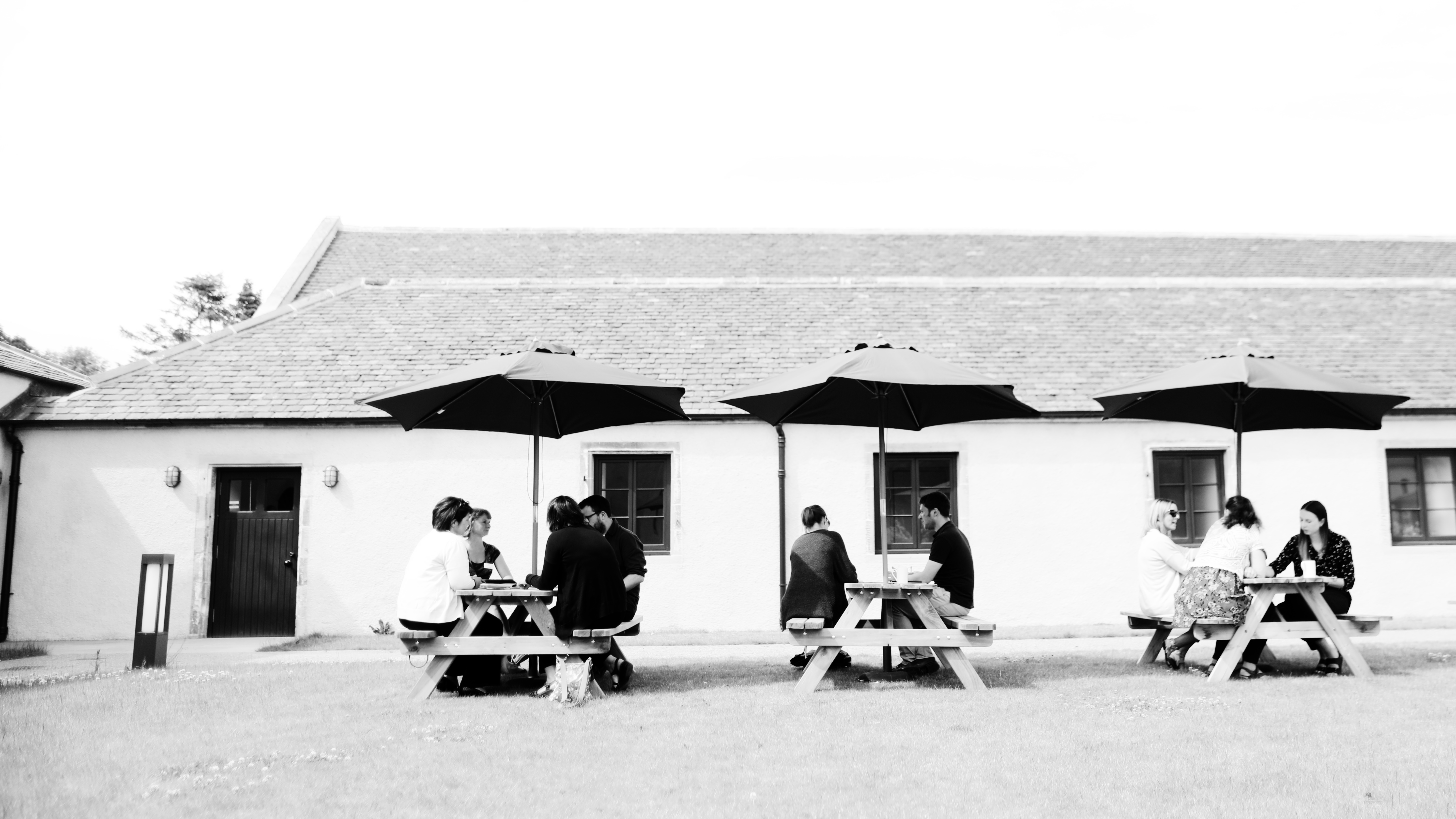
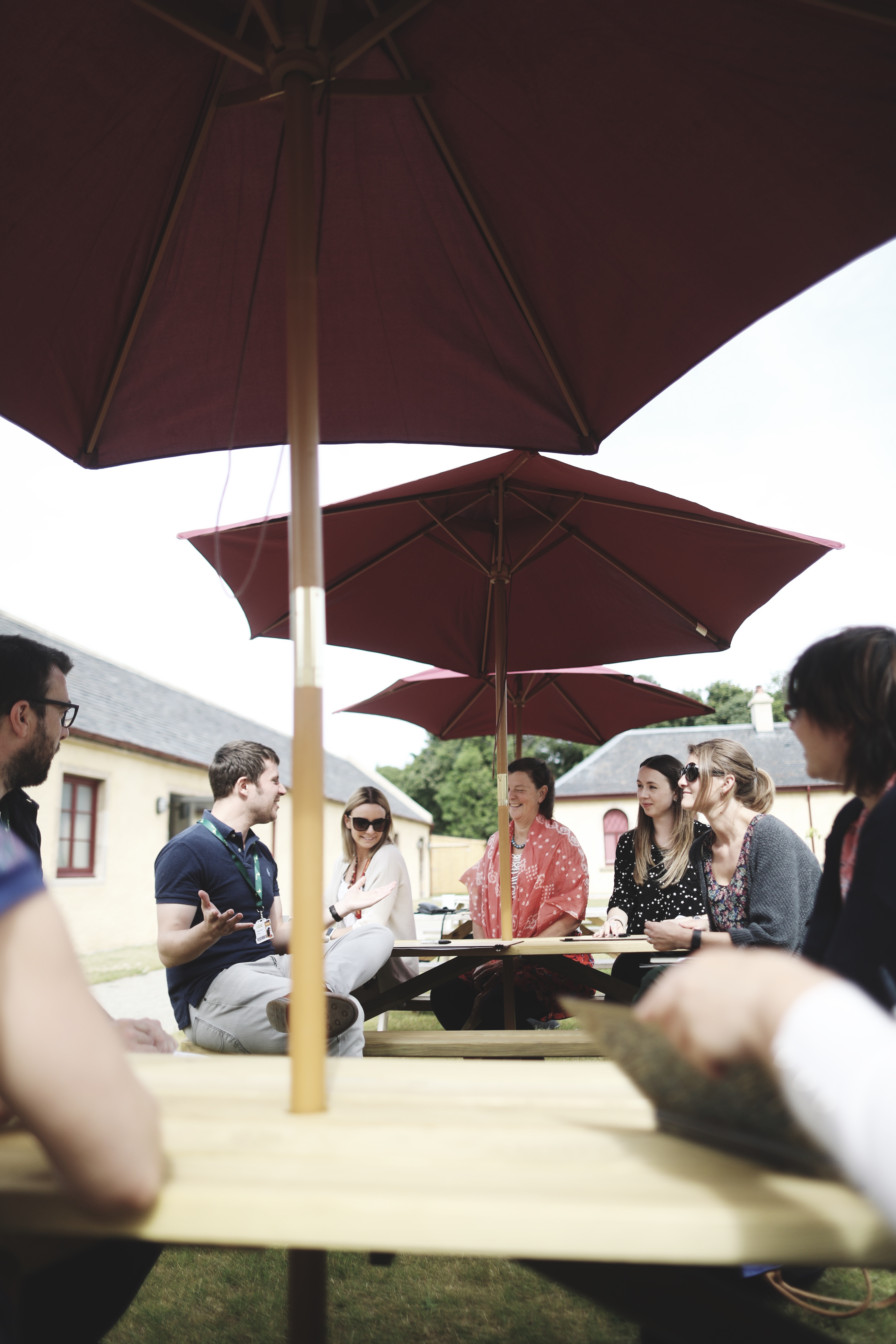
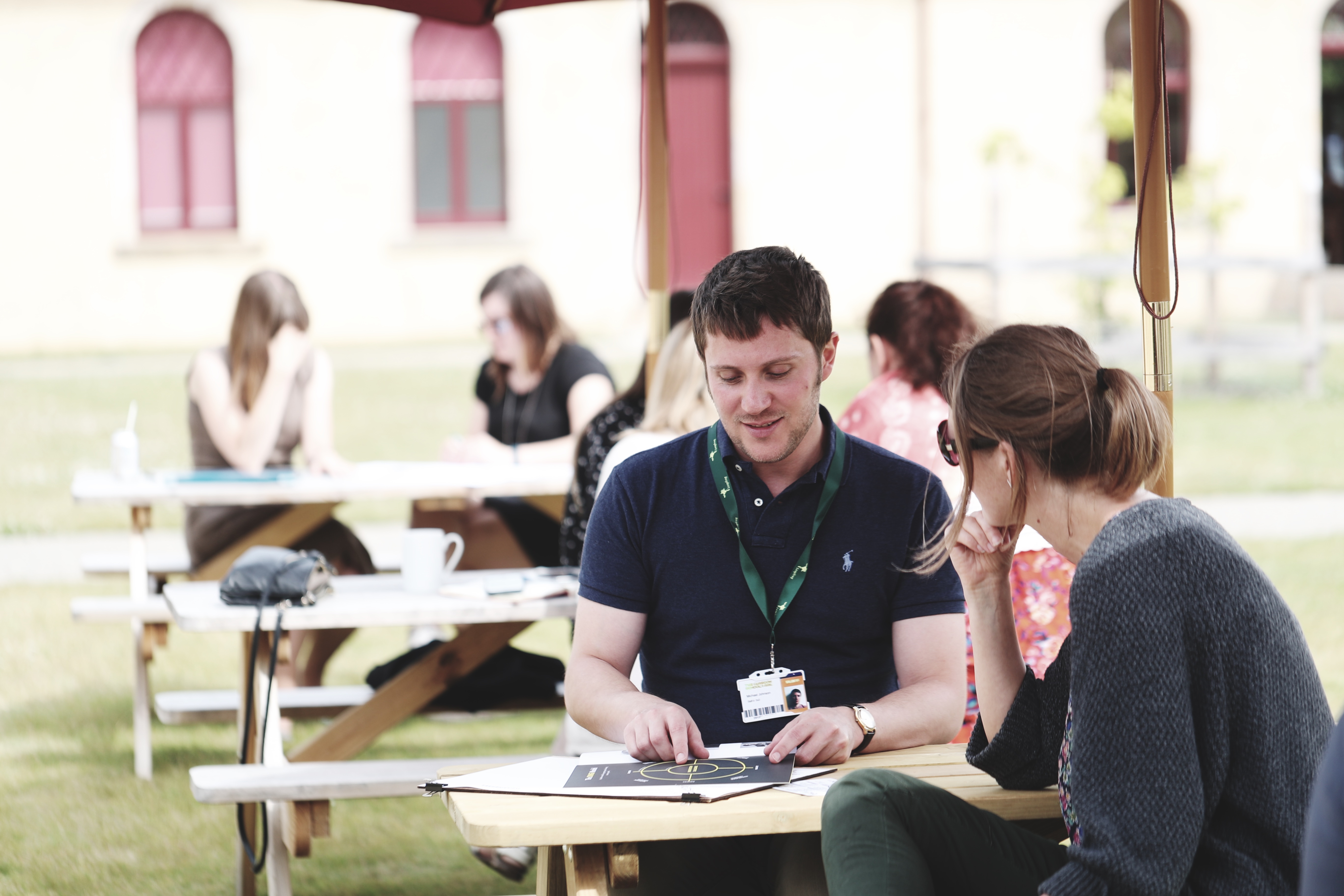
The Leapfrog team brought back together project partners and participants from across the Highlands and Islands for a final celebratory dissemination event. After hosting a similar event earlier in the year in Glasgow, the team were keen to bring the event up north so to engage with partners and participants local to the area to feedback on how the entire Leapfrog project had been evaluated, to present our key findings, and to find out more about what impact their participation in the project has had, and how they have been getting on using the tools.
The event kicked off with talks from the team, beginning with an introduction to refresh everyone on the project’s initials aims, objectives and values before going into more detail around participation. Here we shared our reflections on how we cultivated and sustained our partner networks throughout the project and across a diverse range of contexts. Following this, the team unpacked the process of co-designing tools and described the iterative nature of the workshops as well as outline what went on behind the scenes between each stage of co-design engagement. This included collating and synthesising insights, further developing the participants’ prototypes for testing and creating instruction sheets, documenting the process through blog writing, and finally publishing tools and the project report to the Leapfrog website. The presentations concluded by the team setting out in detail how the entire project was evaluated. Here we reflected on the approaches used, the types of data analysed, the key themes that emerged, and how these were than translated into findings. Following the talks, the team and attendees broke away into sub groups where each of the areas – people and networks, the co-design process and evaluation – could be discussed further.
A key reflection from the discussions was what happens after tools have been published to the website. Two of the attendees, who had both participated in Leapfrog projects, described that whilst having access to tools online they found it challenging to tailor the tools on their own. They found that this was mostly down to a lack of time: to explore the website, to read about and download individual tools, to learn how to use them and learn how to adapt them to their needs, and then to teach others in their organisation how to use and implement them in their practice. It was suggested that there is a step missing after the tools are published to the website and a need for upskilling participants in how to practically implement and modify tools for their contexts. By doing this, it would encourage, what was described by the attendees, as ‘tool champions’, who could then teach others in their organisation how to use them. Another key reflection shared by attendees was how participating in the projects helped them to build and strengthen connections across organisations in their local area and that the co-design process they participated was a valued space for creative exploration and experimentation that is in contrast to their day-to-day working practices.