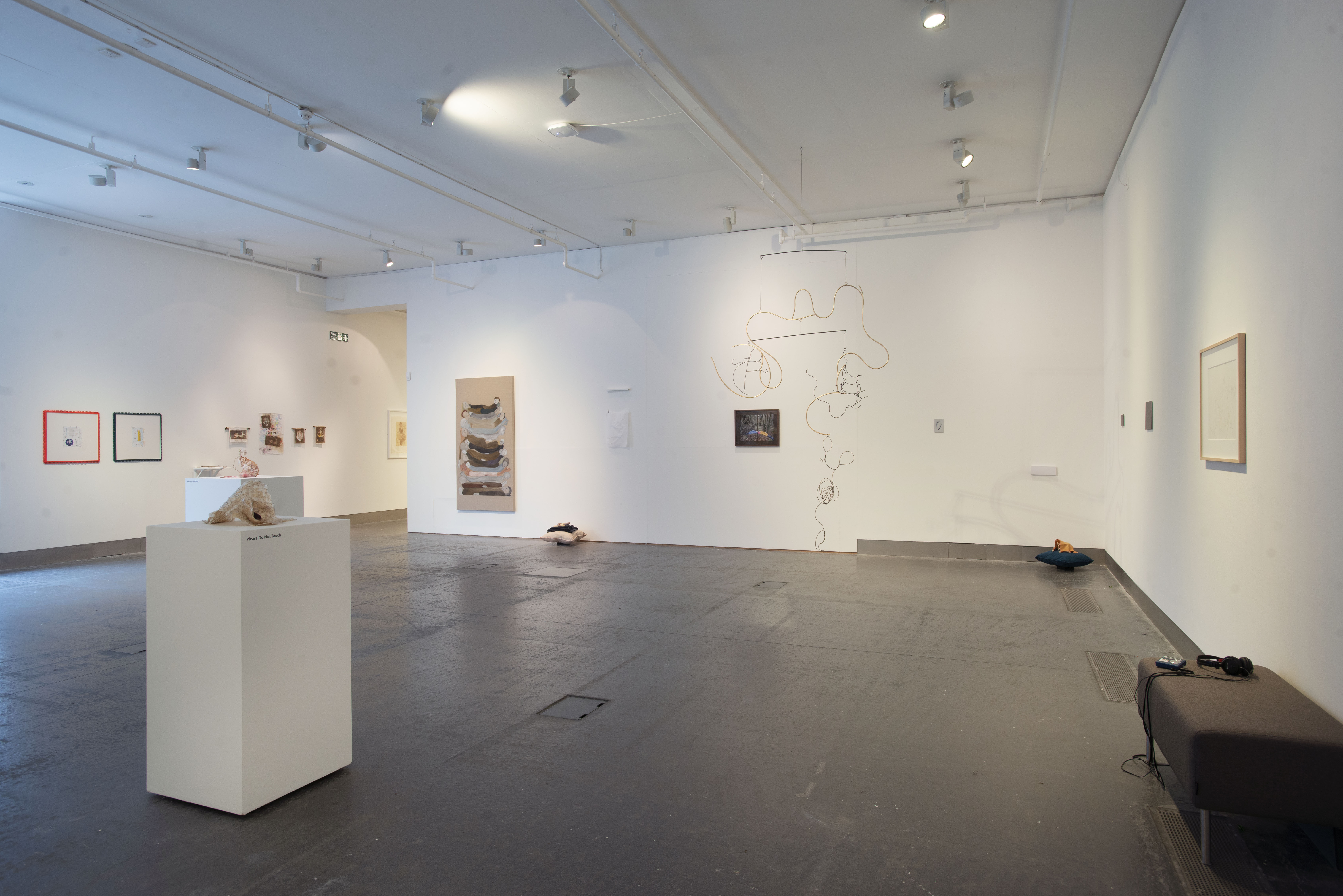
Maternal identity, parental labour and access implications has surfaced as a new area of research to address systematic barriers within the arts. Recent exhibitions including 'Acts of Creation' toured the UK (2024-25). ‘Mother Curator' is the first contemporary exhibition focusing on Motherhood in Glasgow, and initiates a public dialogue of the lived experience of motherhood within an educational institutional perspective.
My research, broadens and shifts this focus to include caring for aging parents. The aging population conjoined with the rising age of parents, creates a position of ‘sandwiched’ care-giver that is missing from current research and practice. As this care-giving increases, it becomes increasingly important to present and discuss.
Through practice-based research aligning with embodied feminist spatial practices and new materialism my work asks:
-How can art objects and architectural installation operate as a bodily membranes, archiving and transmitting embodied knowledges of intimate caring encounter between bodies (including non-human)?
-Within this, how can architecture as metaphor be used to narrate intimate and complex relational stories beyond the maternal?
I exhibited existing work bridging contrasting approaches to material, scale, and life-stage:
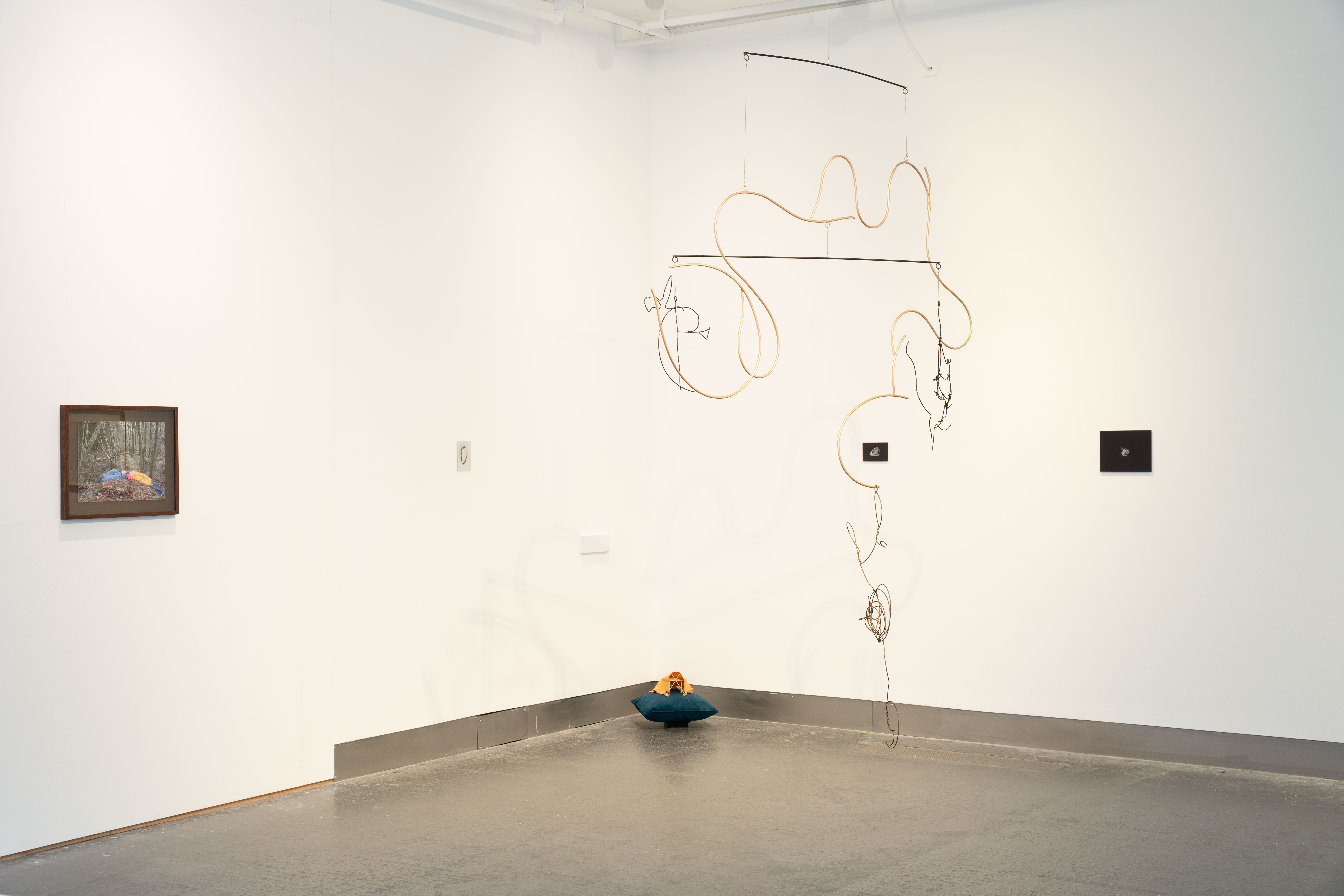
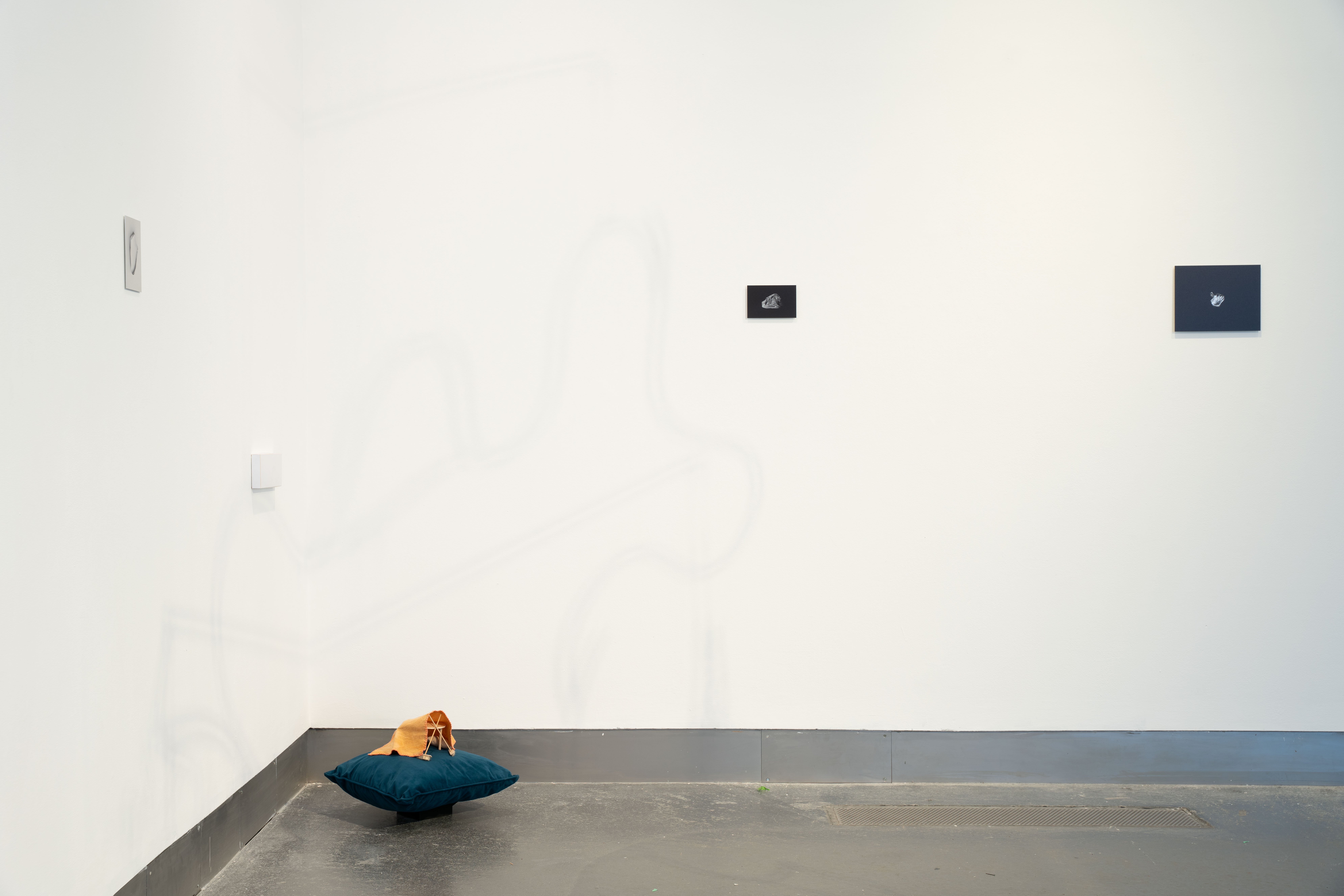
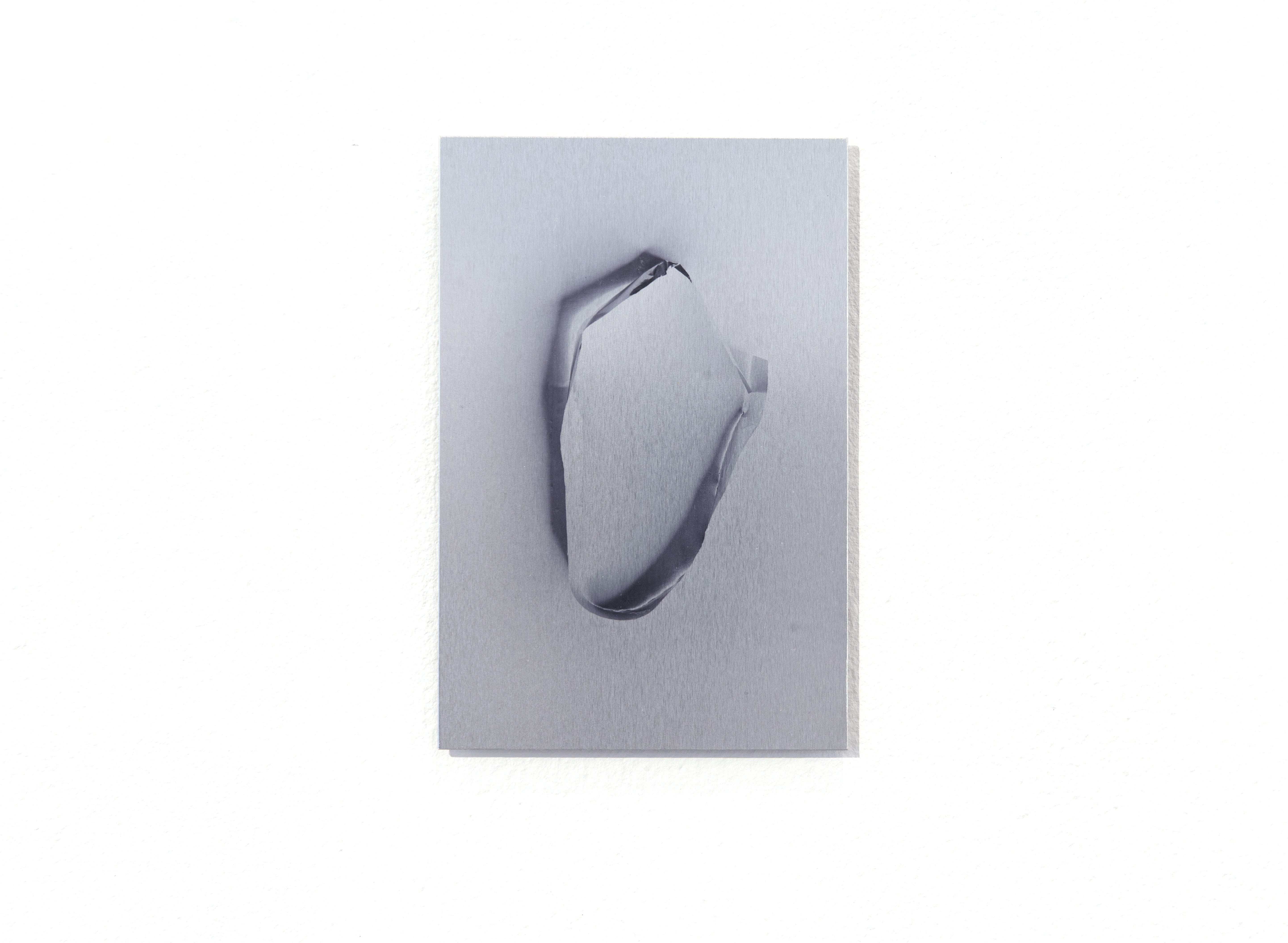
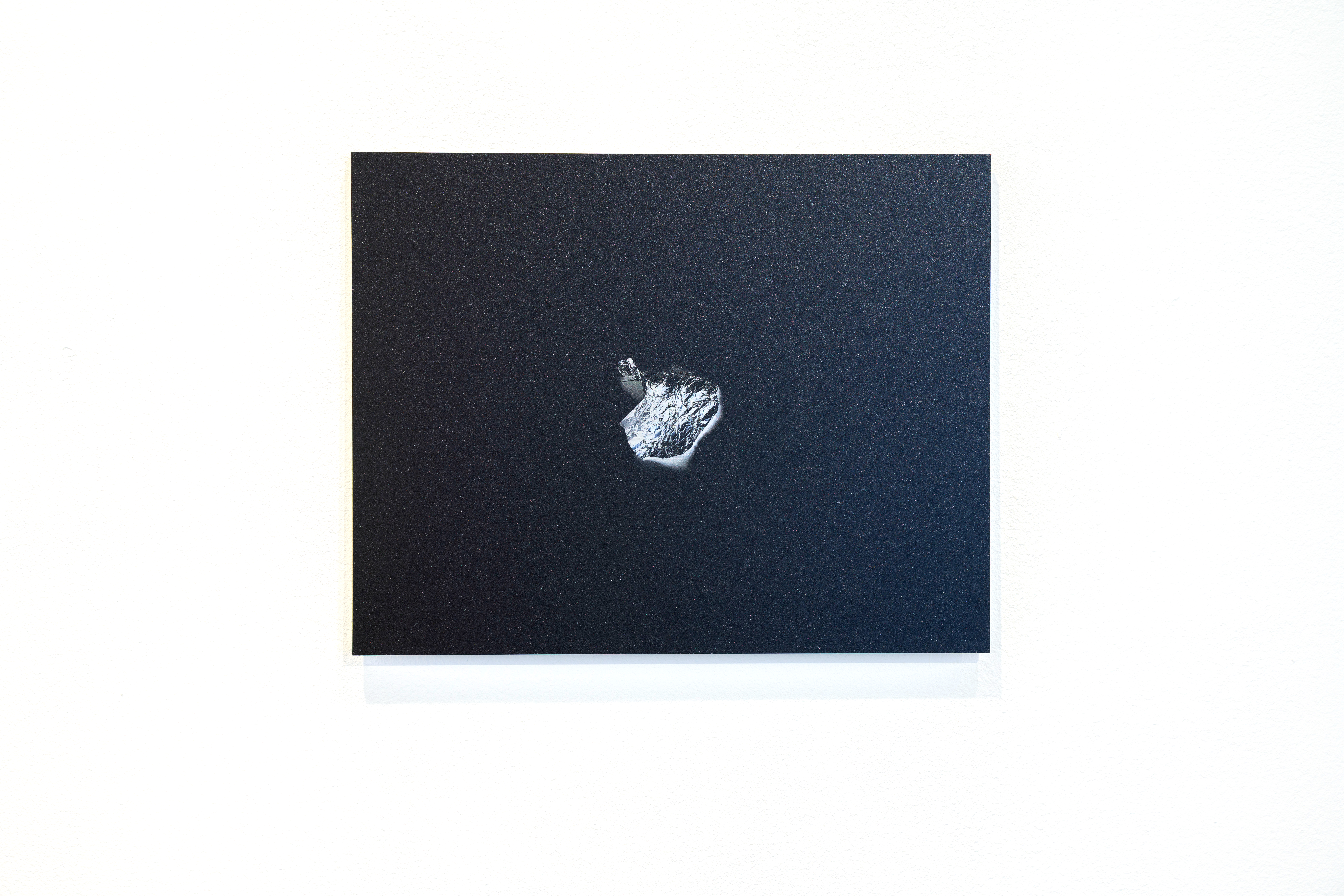
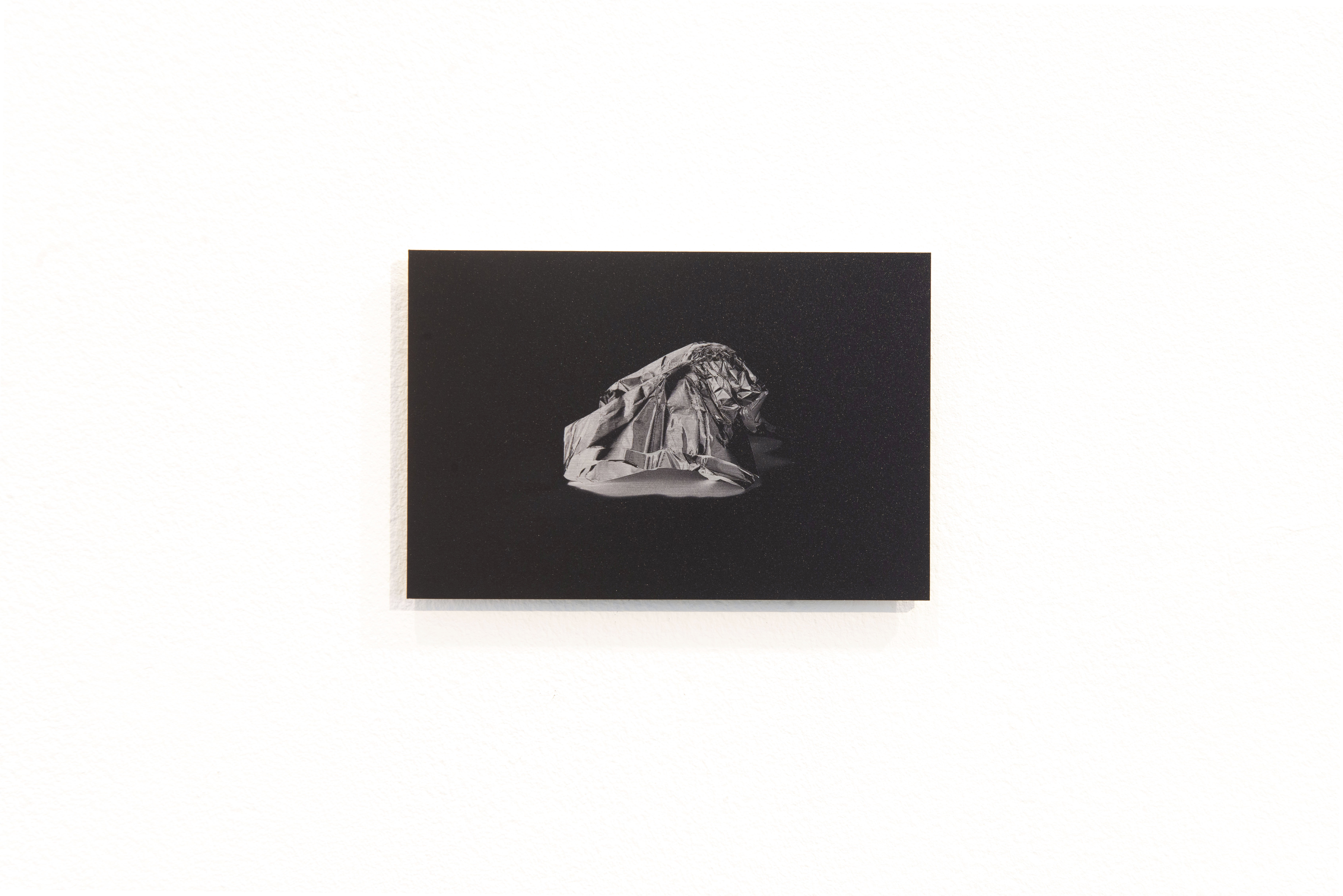
3 Direct prints on aluminium (‘Halo’, ‘Gently by the wrist’ & ‘Wad’, showed inverted photographs of kitchen foil cast into varied bodily gestures. Moments of contact and void between bodies become solidified, complex, otherworldly architectures/landscapes, harsh and fragile.
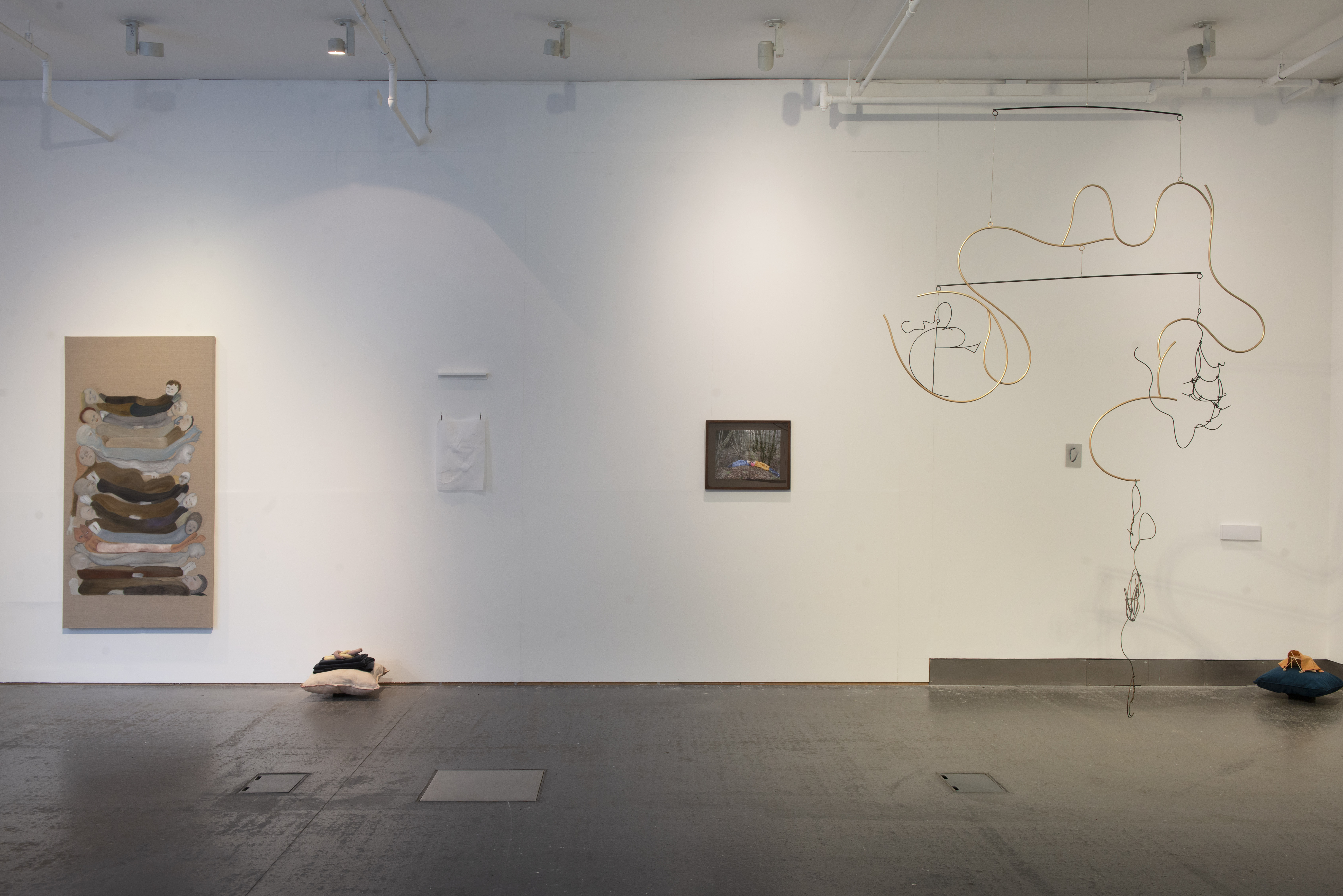
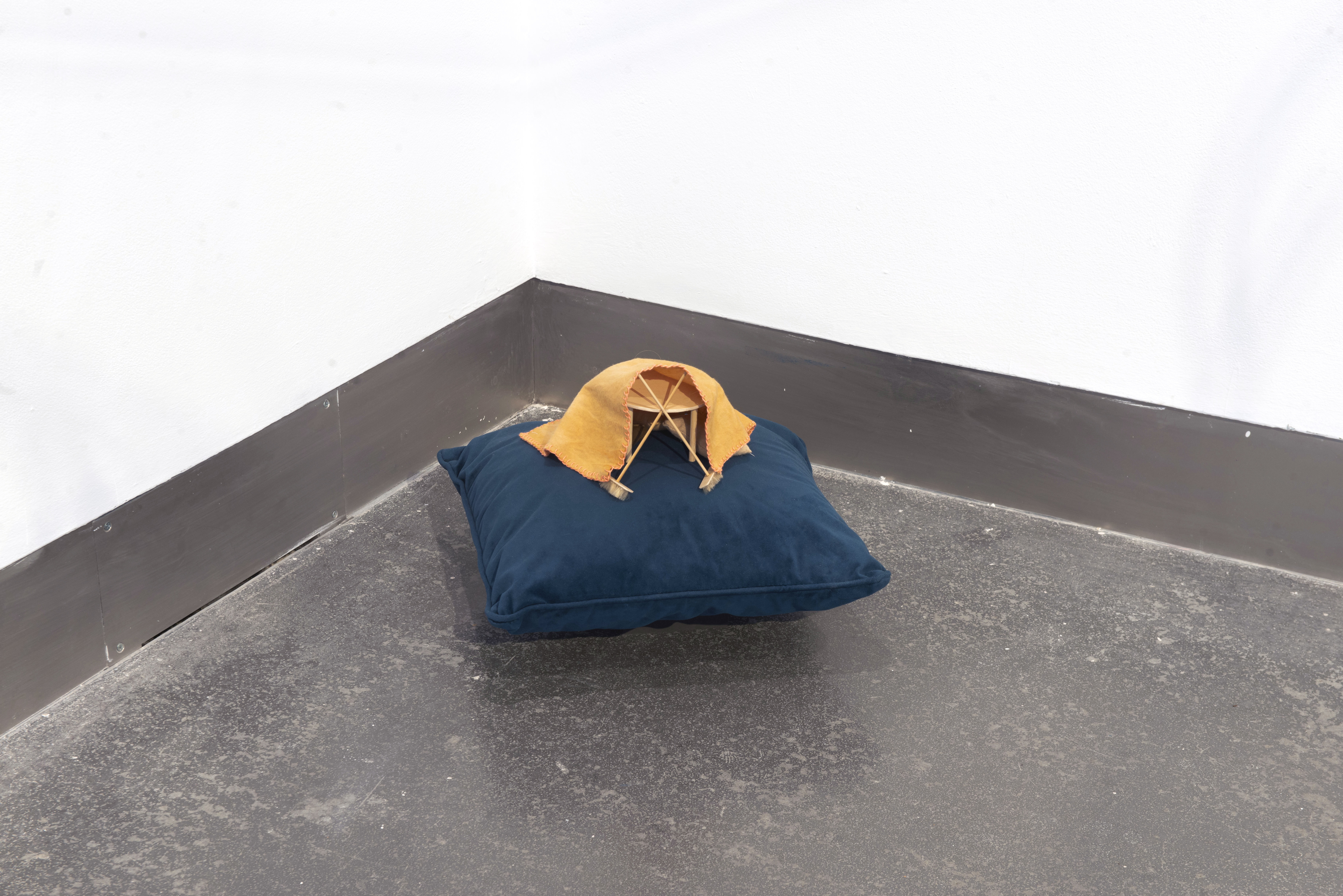
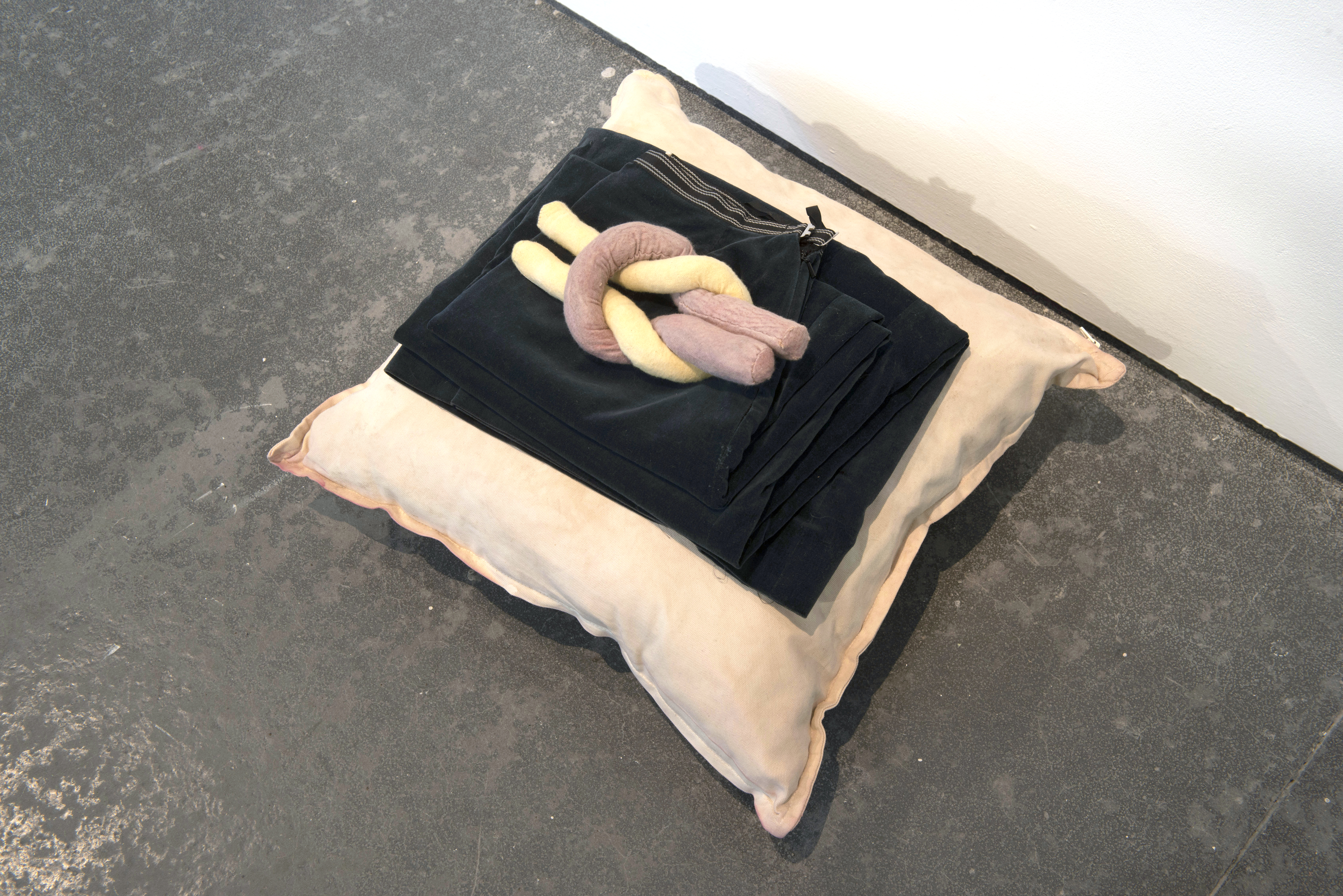
2 Sculptural works (‘Kitchen table den’ & ‘Knotted’) tested dolls-house-scaled cushions, blankets and brooms, staging assemblages or ’envelopments’ relating to childhood memory (dens) and wombs/tombs. Materials included heirlooms, human hair and repurposed fabrics dyed with kitchen waste enacting domestic care-labour.
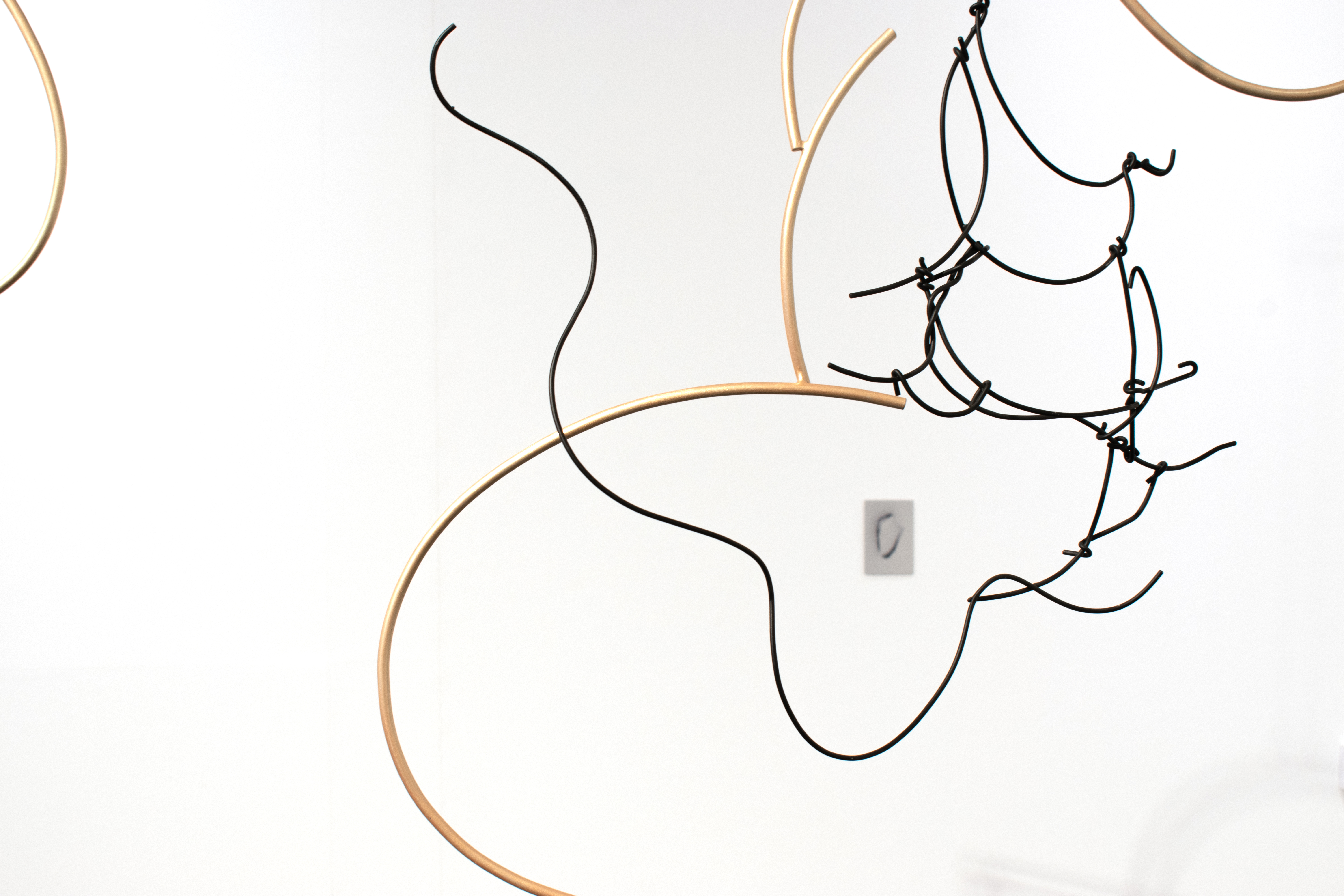
These works were previously exhibited in a church as votives and carry the idea of a devotional offering. Presented alongside 25 artists and framed by Sara Barker’s ‘Reenactment’ there is an intentional reciprocity and relationality between materials, modes and complexities of care.