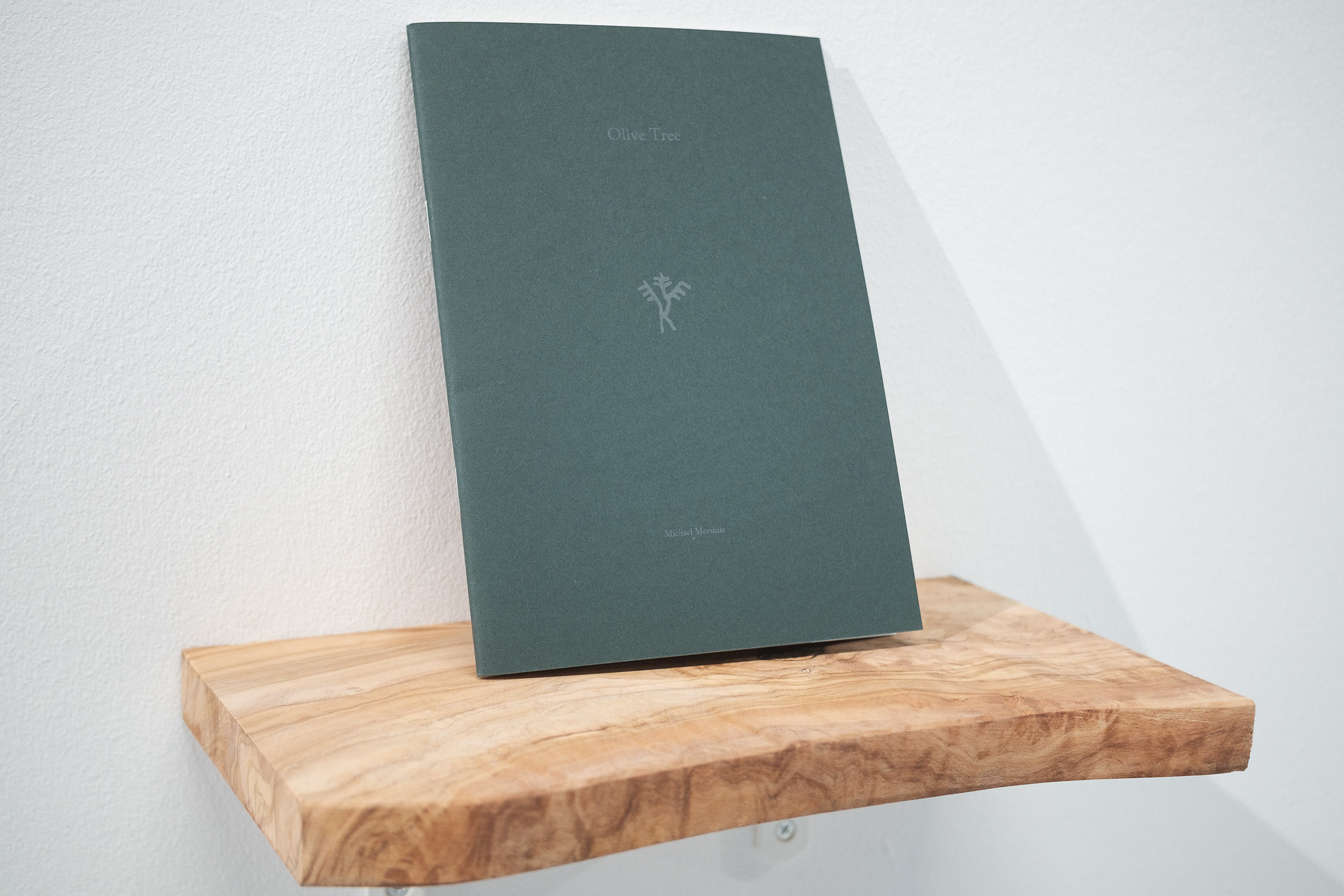
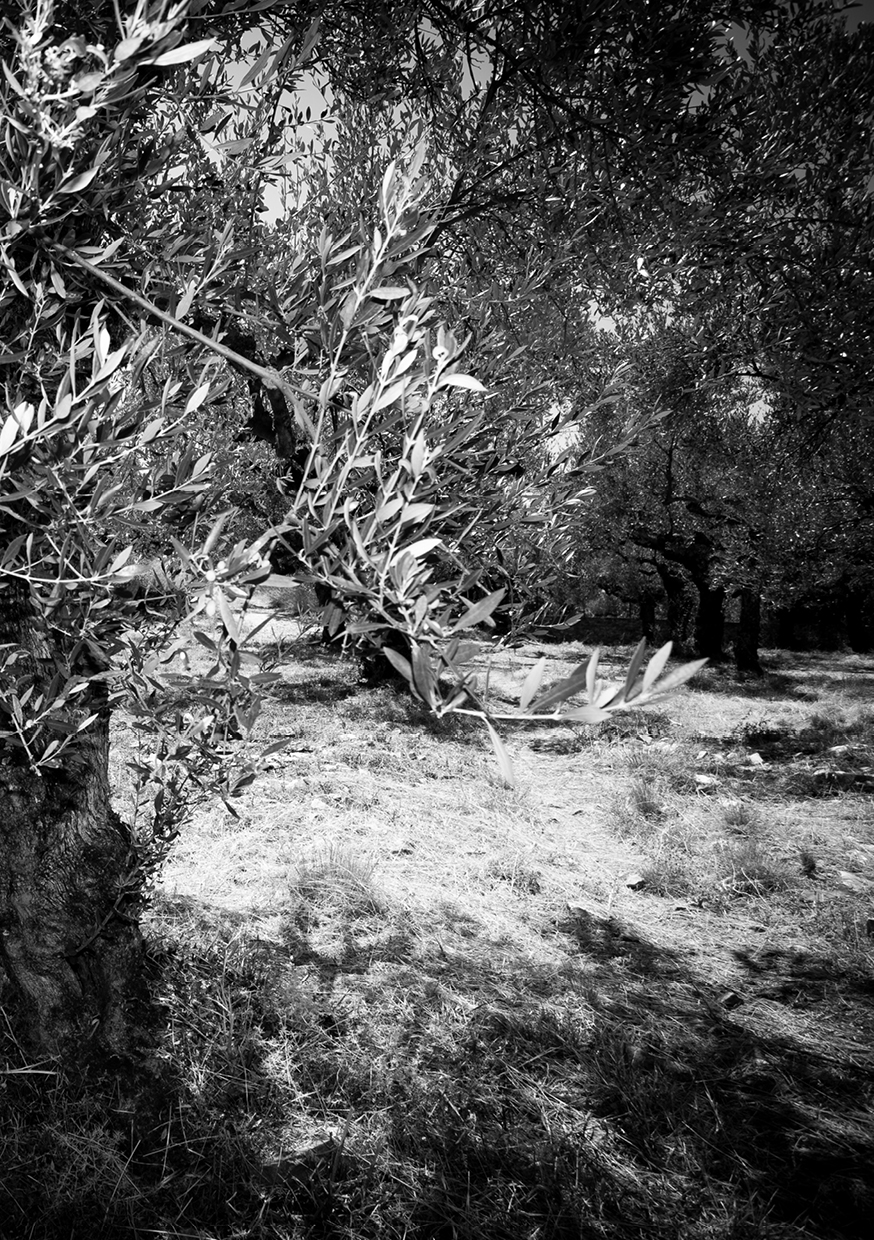
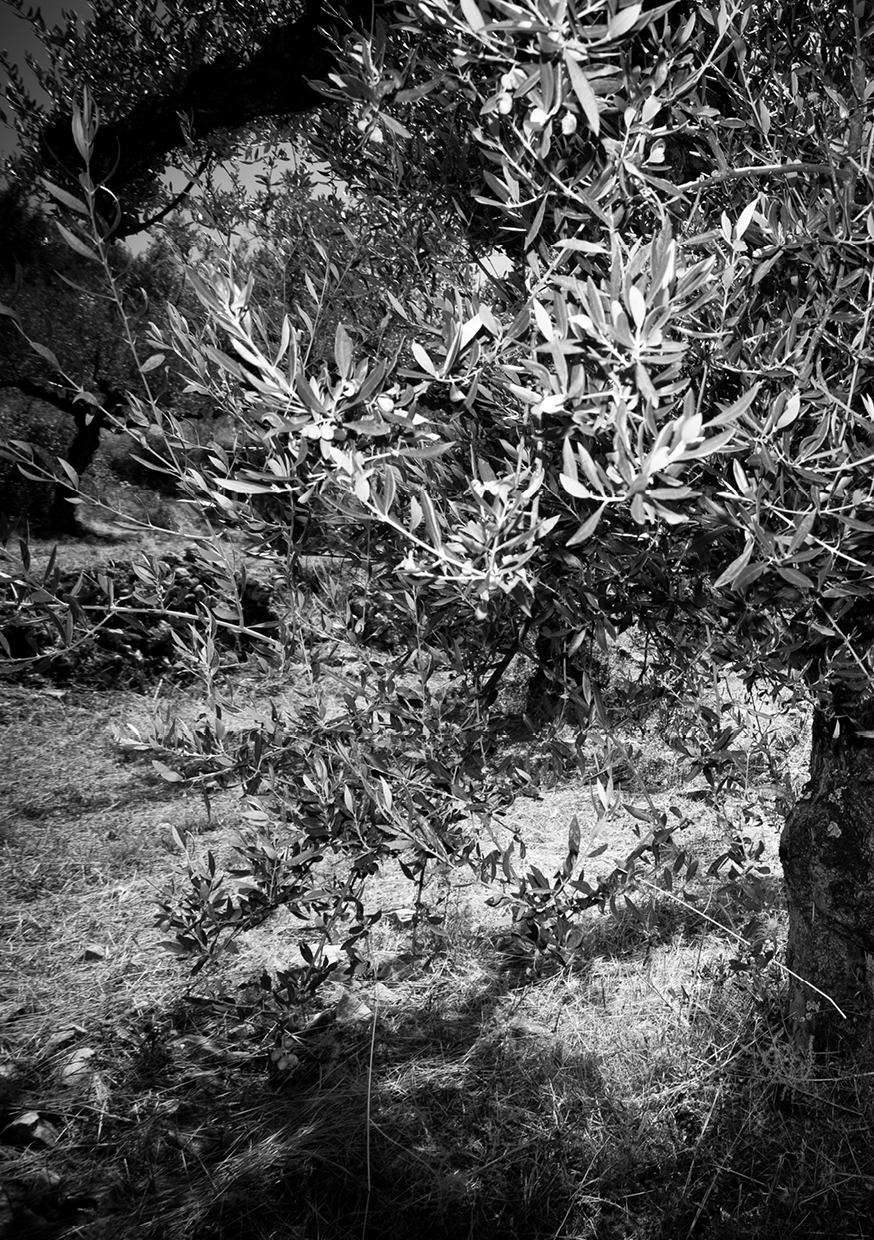
a response to the relocation of olive trees from Gaza
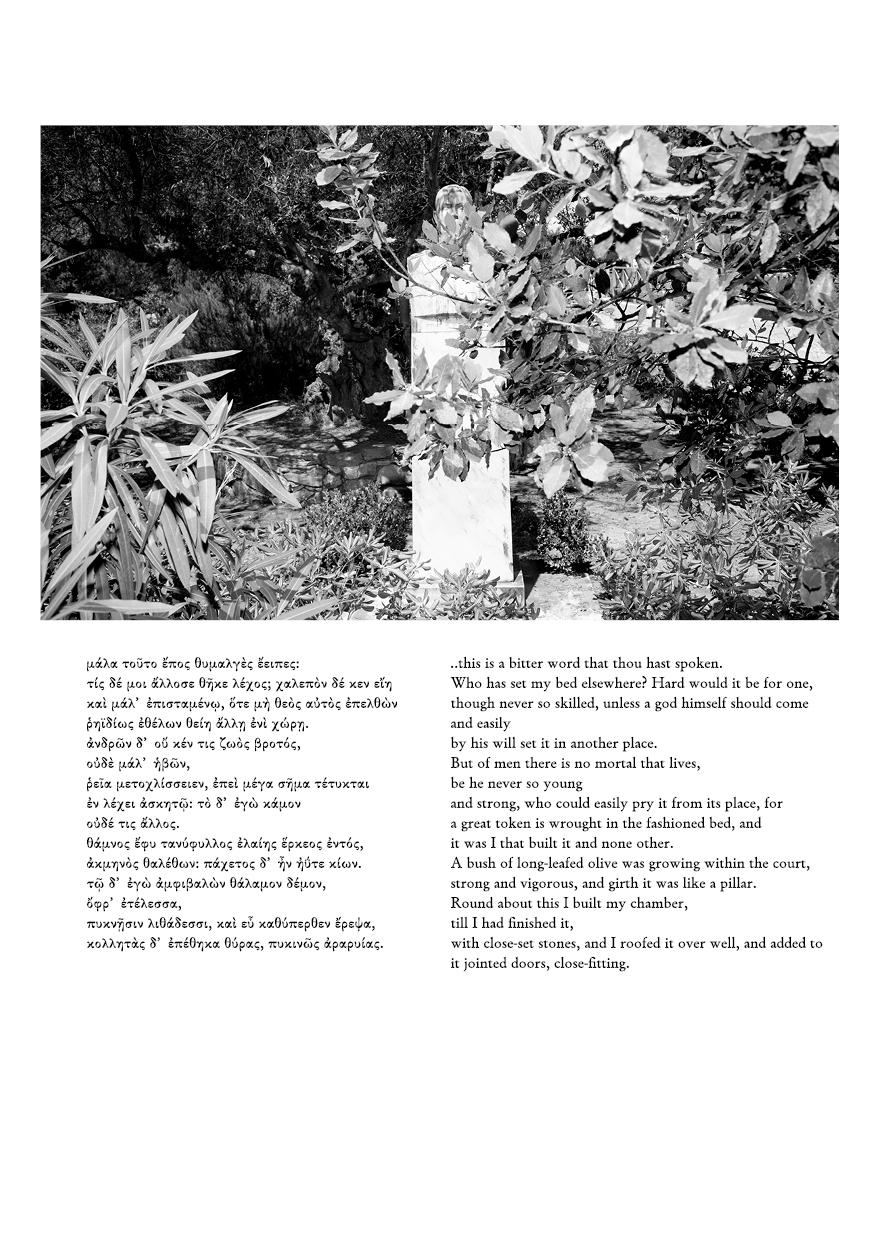
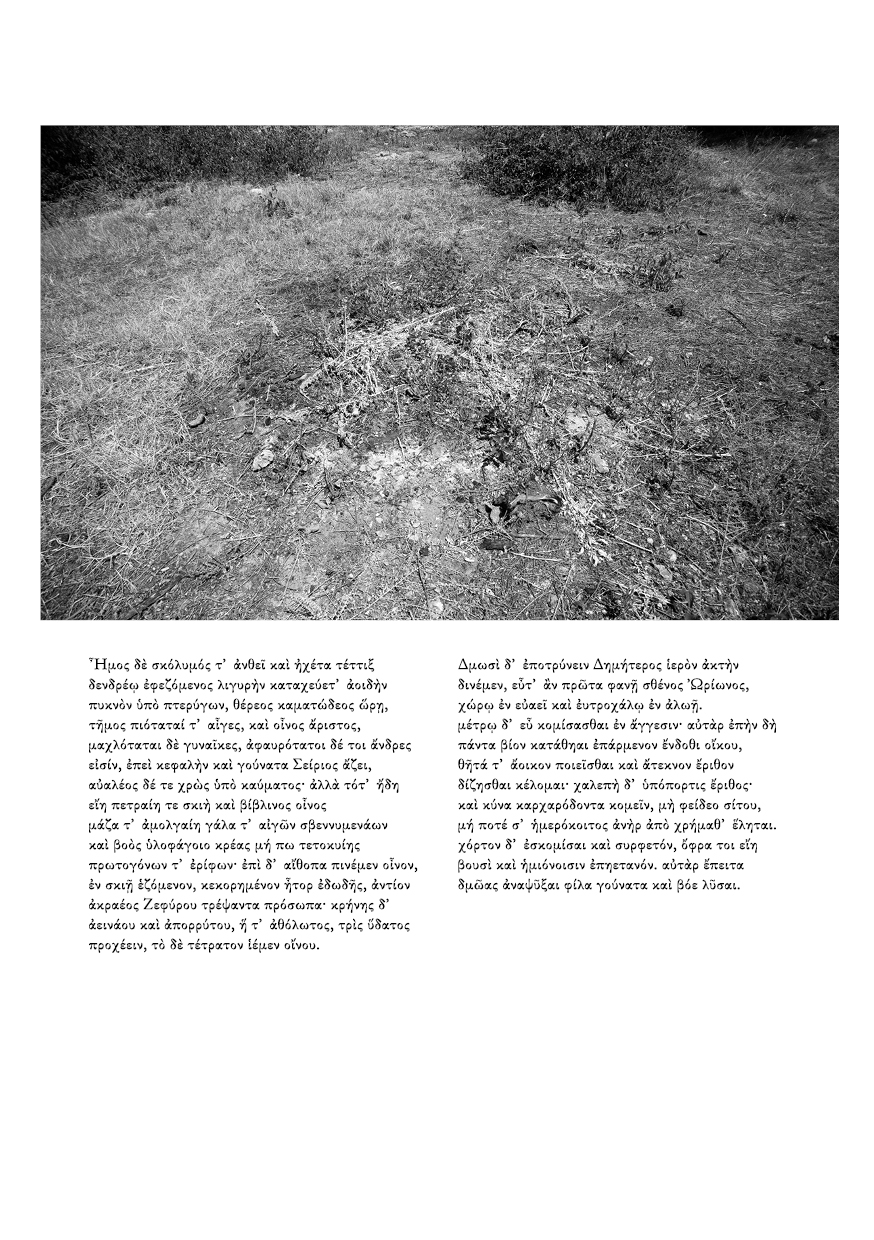
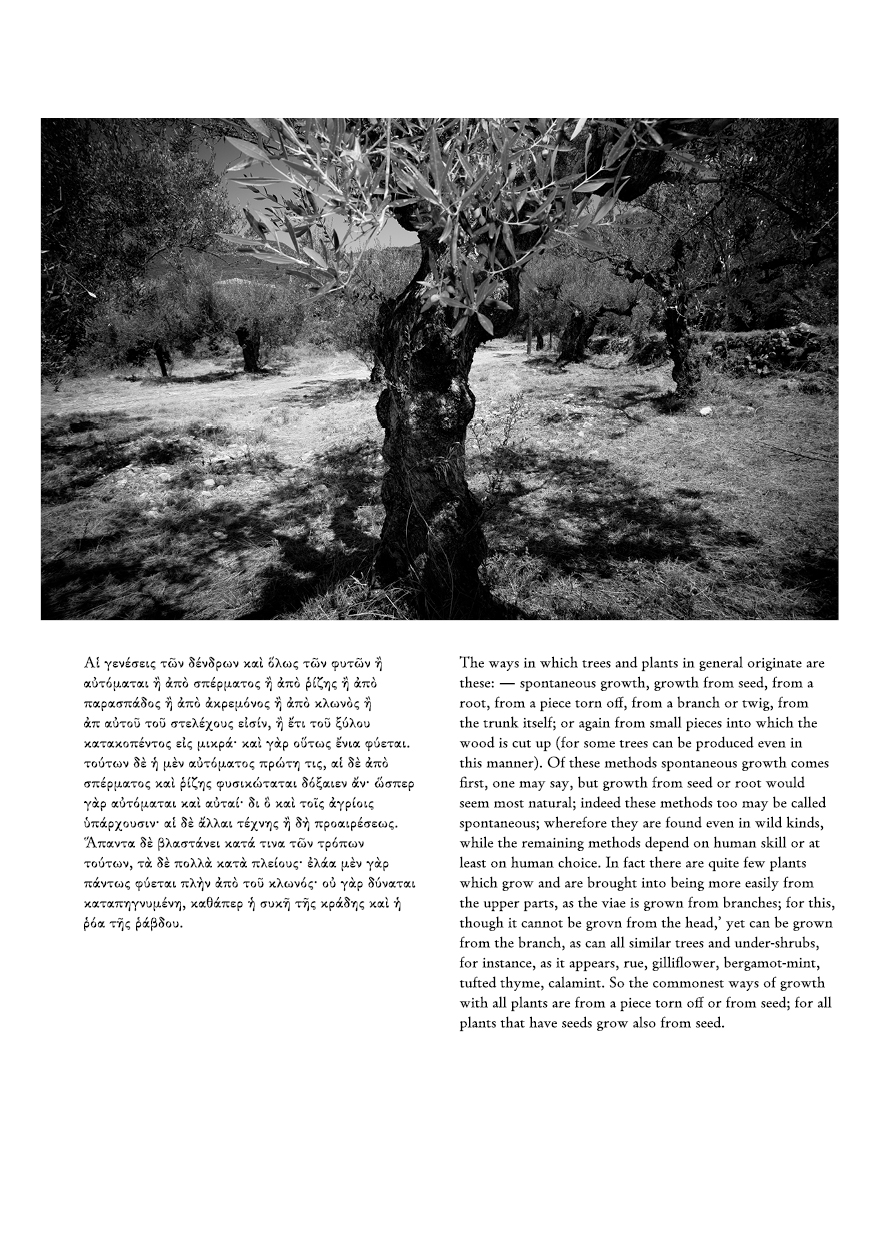
considering a re-thinking of the bibliographical approach 'ad fontes' (a Latin expression which means "[back] to the sources"), the publication traces all references of the olive tree and it’s cultural and socio-economic and symbolic significance from Linear B to the Quran with a particular focus on the bibliographical sources in the classical world. The book mirrors the migration of a particular splice of olive tree, of the Koroneikos variety to Palestine through an elliptical reference to sources and traces a history of conflict that exceeds the symbolic in language and history, examining the idea that sound knowledge depends on the earliest and most fundamental of sources.
The systematic uprooting of Palestinian olive trees by Israeli forces and settlers is more than an act of environmental destruction—it is a calculated strategy of oppression that exemplifies the broader framework of Israel’s green colonialism. This phenomenon, which integrates ecological policies with settler-colonial objectives, serves as a mechanism of dispossession and control. The regulation and destruction of Palestinian olive groves highlight how environmental narratives are manipulated to justify land appropriation, surveillance, and the erasure of Palestinian identity. This essay explores how green colonialism operates by targeting olive trees, illustrating the intersection of ecological rhetoric and settler-colonial ambitions. The olive tree is deeply rooted in Palestinian history, culture, and economy. These trees, some of which have stood for centuries, symbolize resilience and an enduring connection to the land. Beyond their cultural and symbolic value, olives provide a major source of income for Palestinian farmers, with olive oil production accounting for a significant share of agricultural livelihoods. As such, the destruction of olive trees is not just an environmental or economic issue—it is an attack on Palestinian identity and self-sufficiency.
The publication was made as part of the Reading Landscape Exhibition held in the Annex Gallery of The Glasgow School of Art between 22 April – 16 May 2025.
All proceeds from the sale of this work will be donated for humanitarian relief in Palestine, a place where olive trees grow despite all adverse conditions and continue to thrive against all odds.