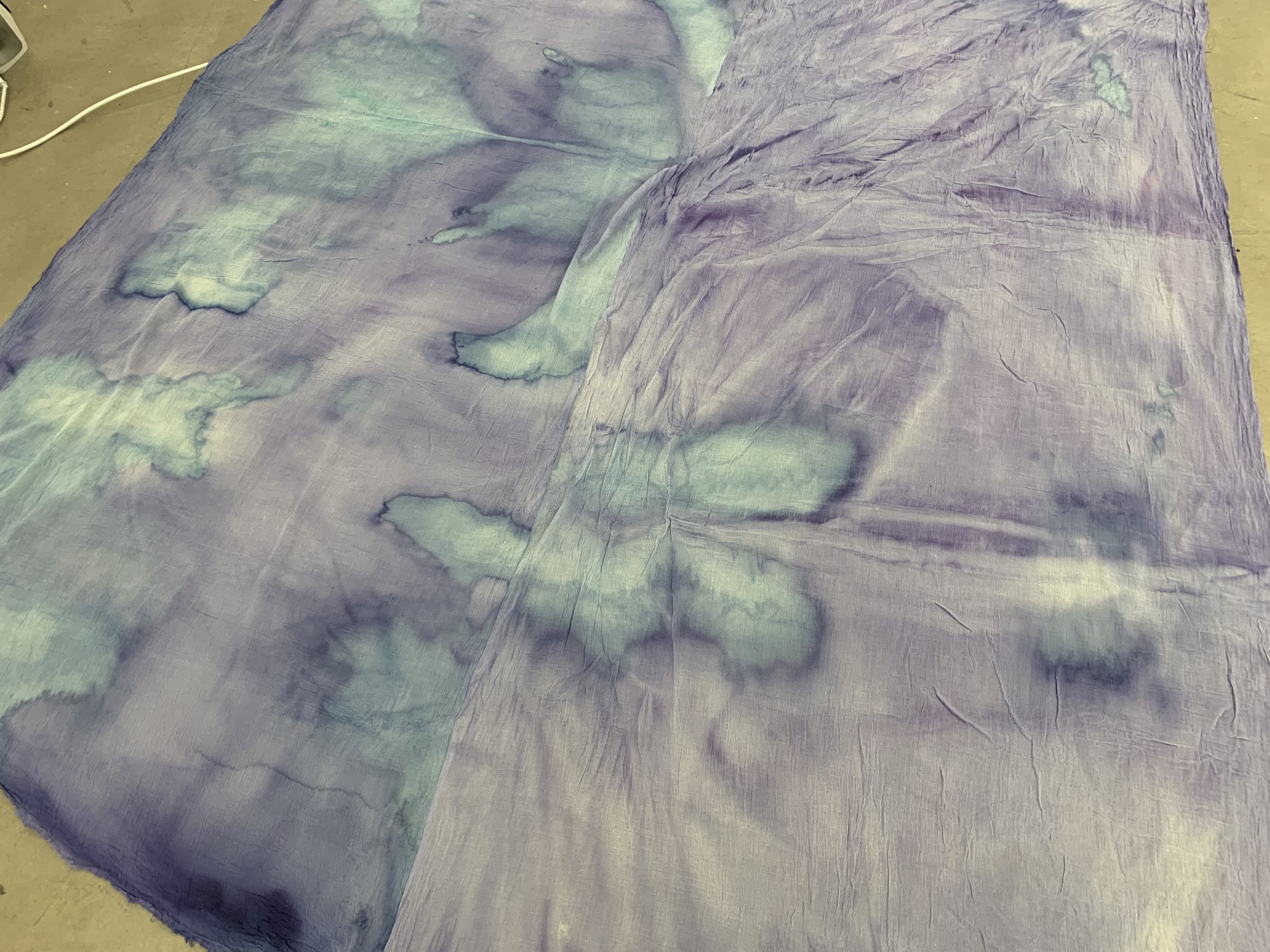
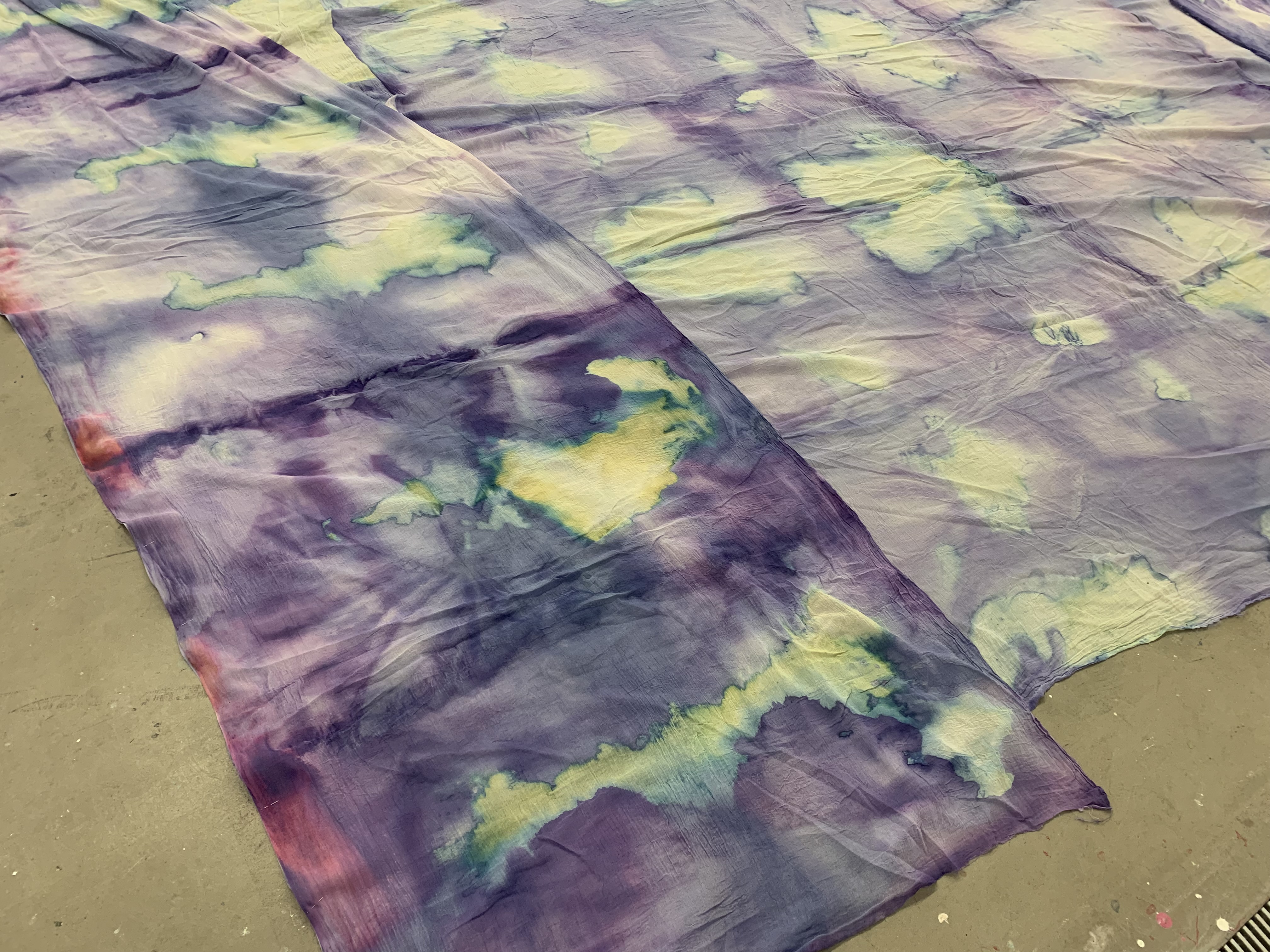
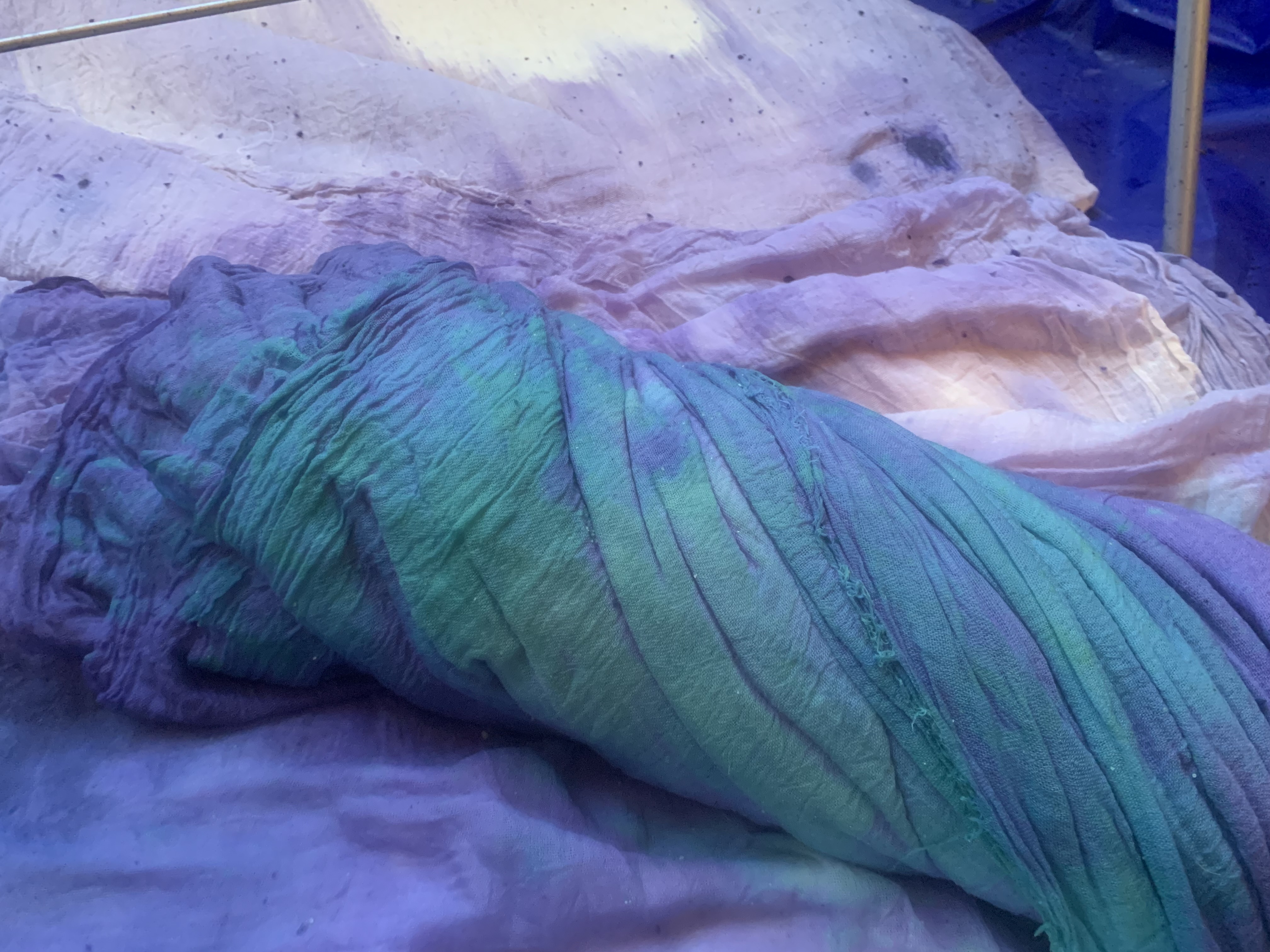
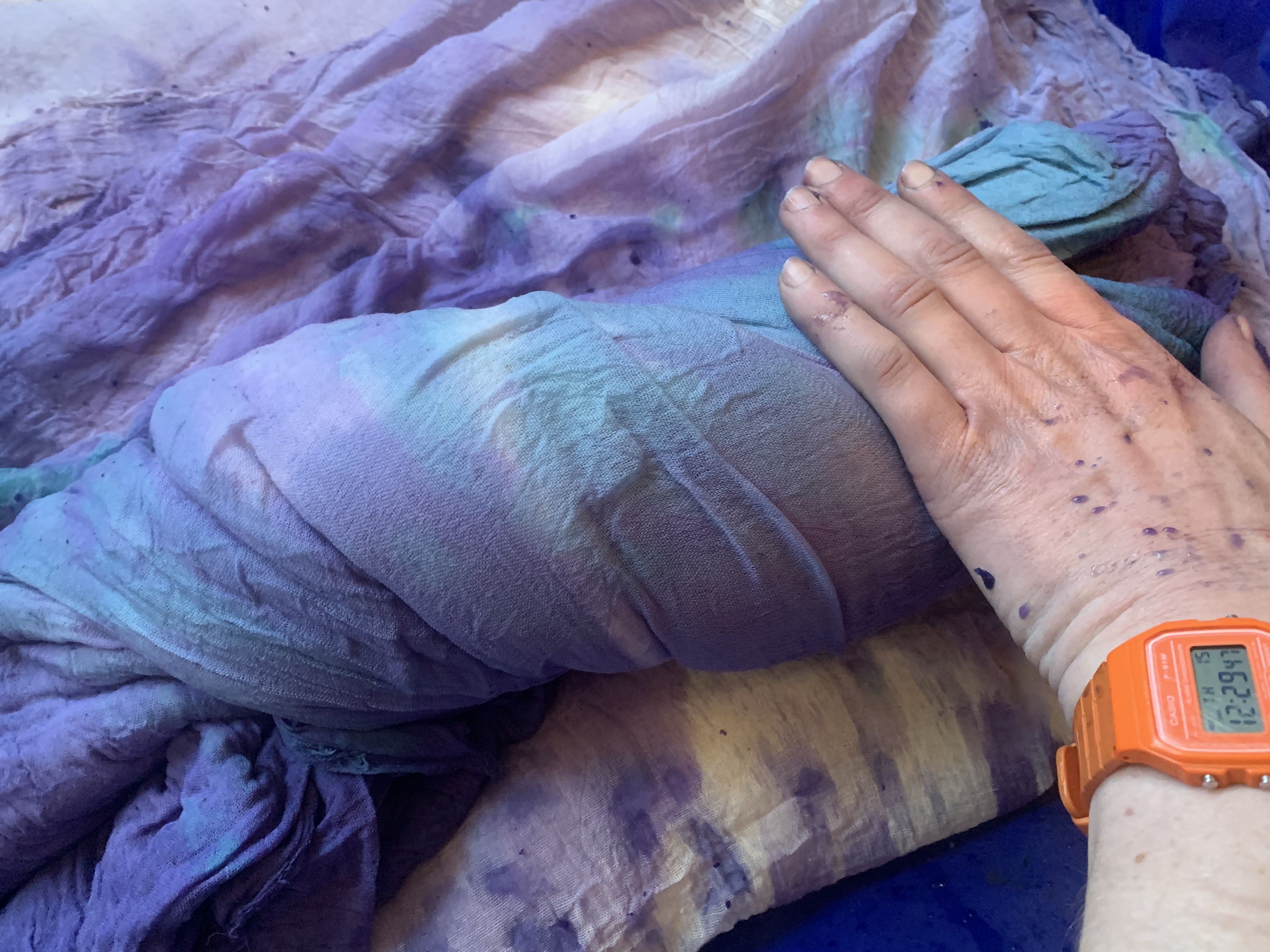
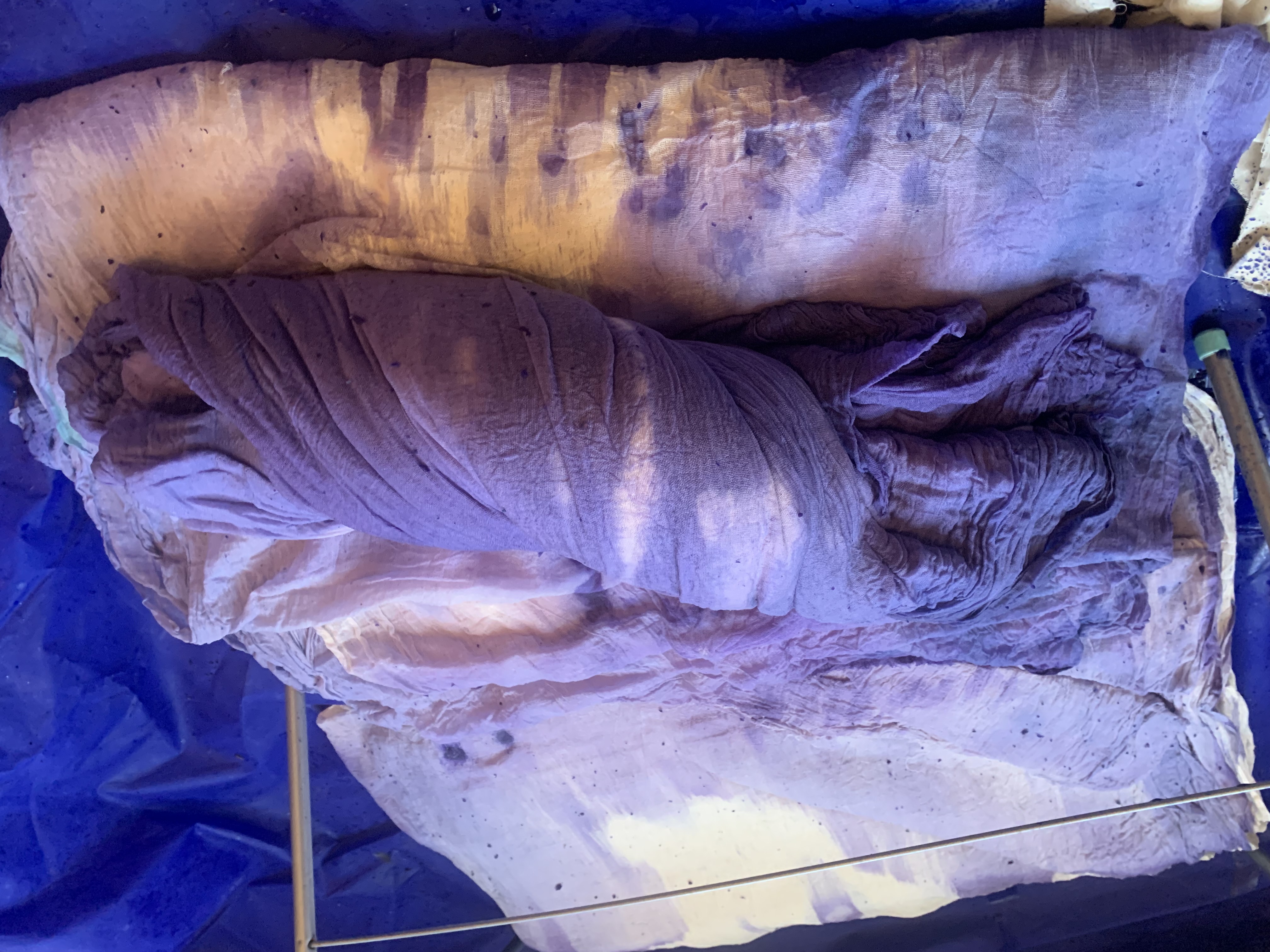
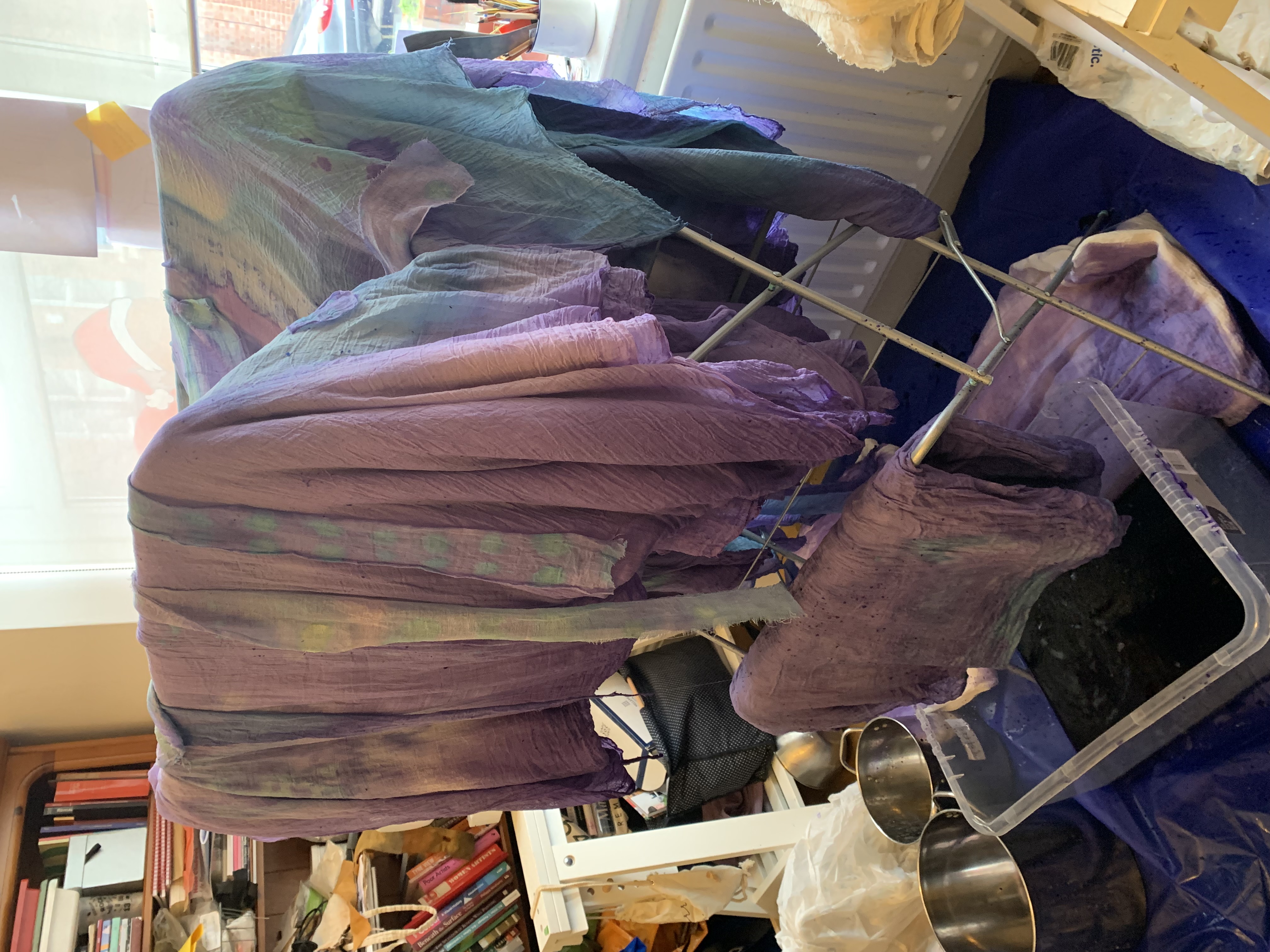
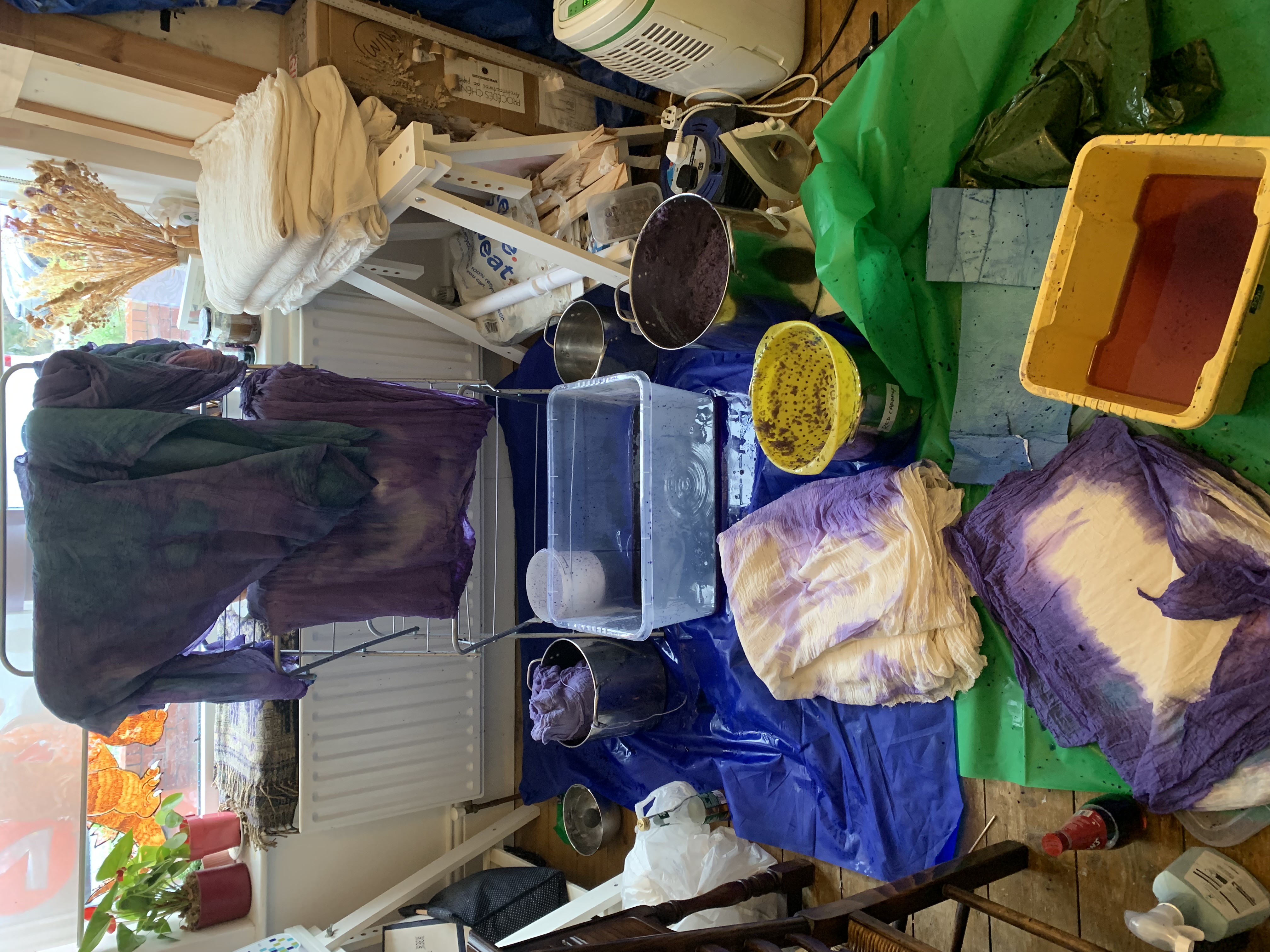
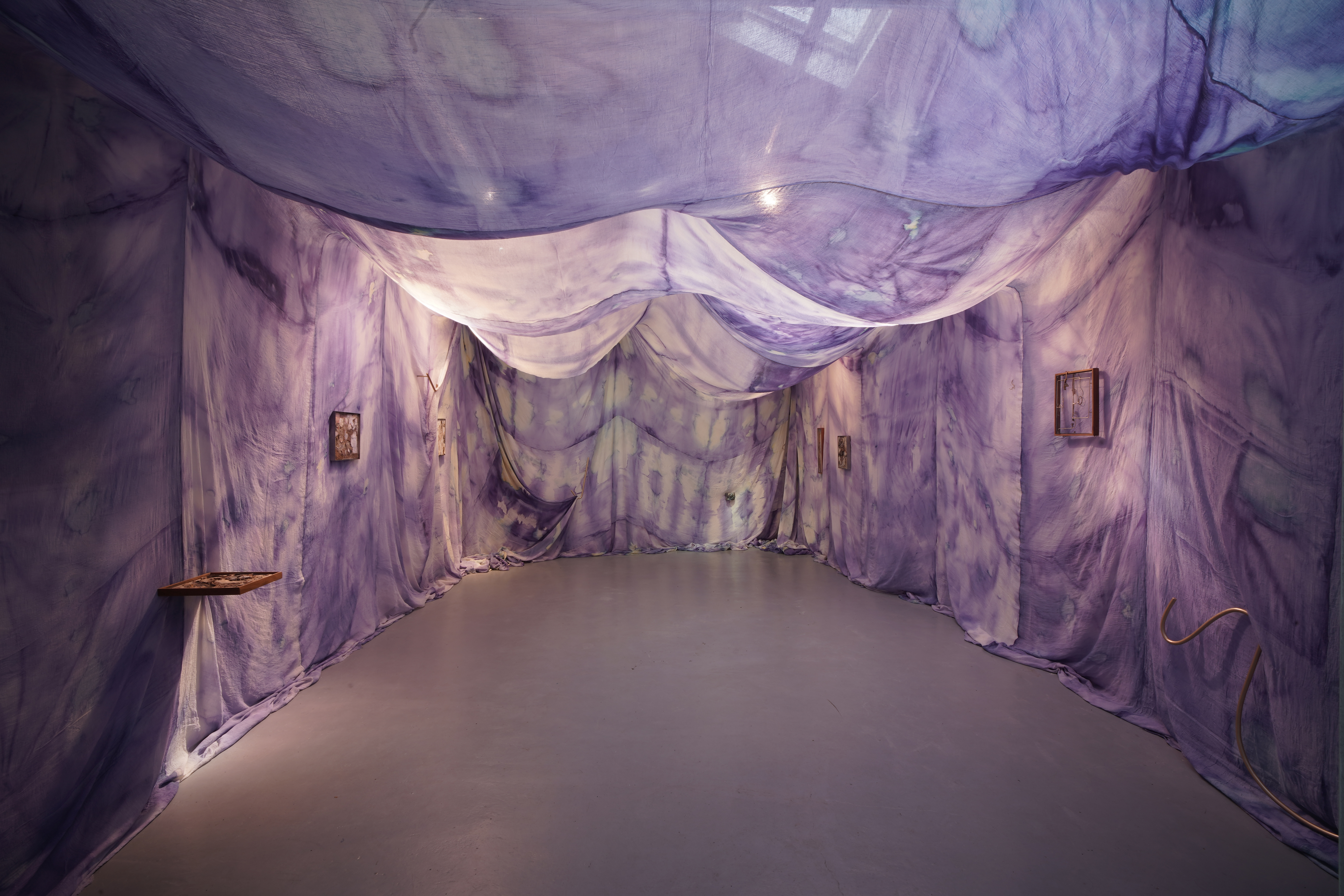
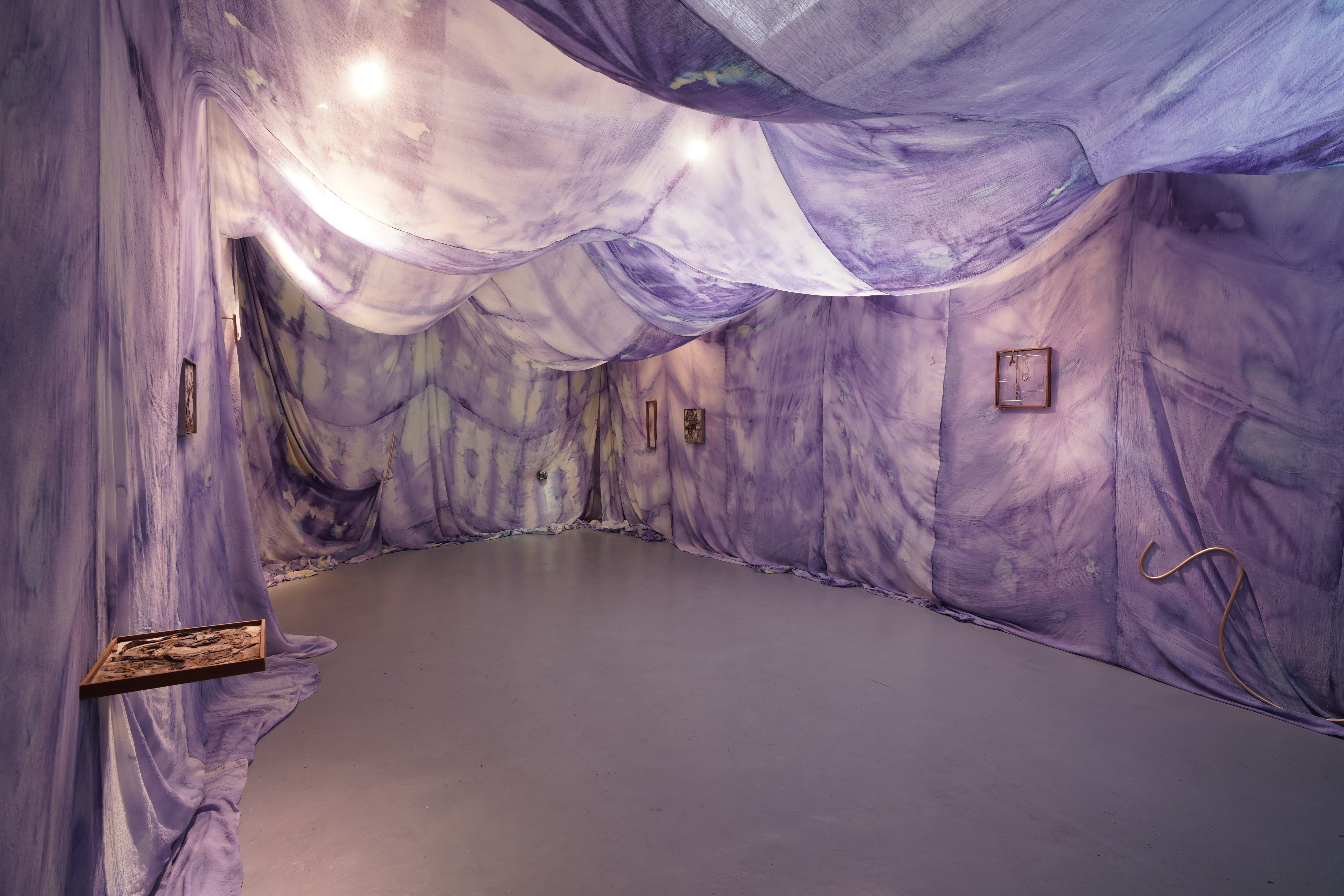
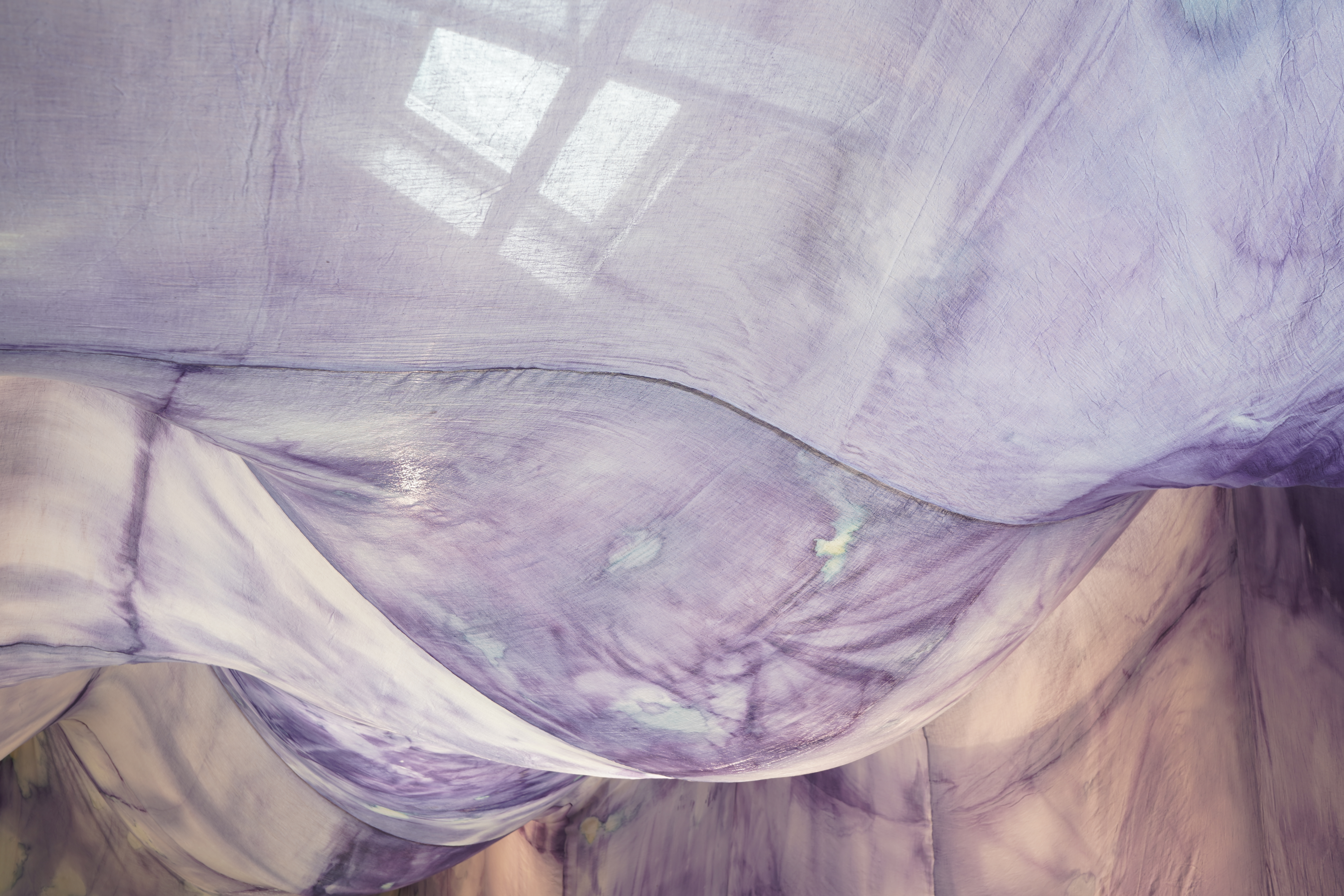
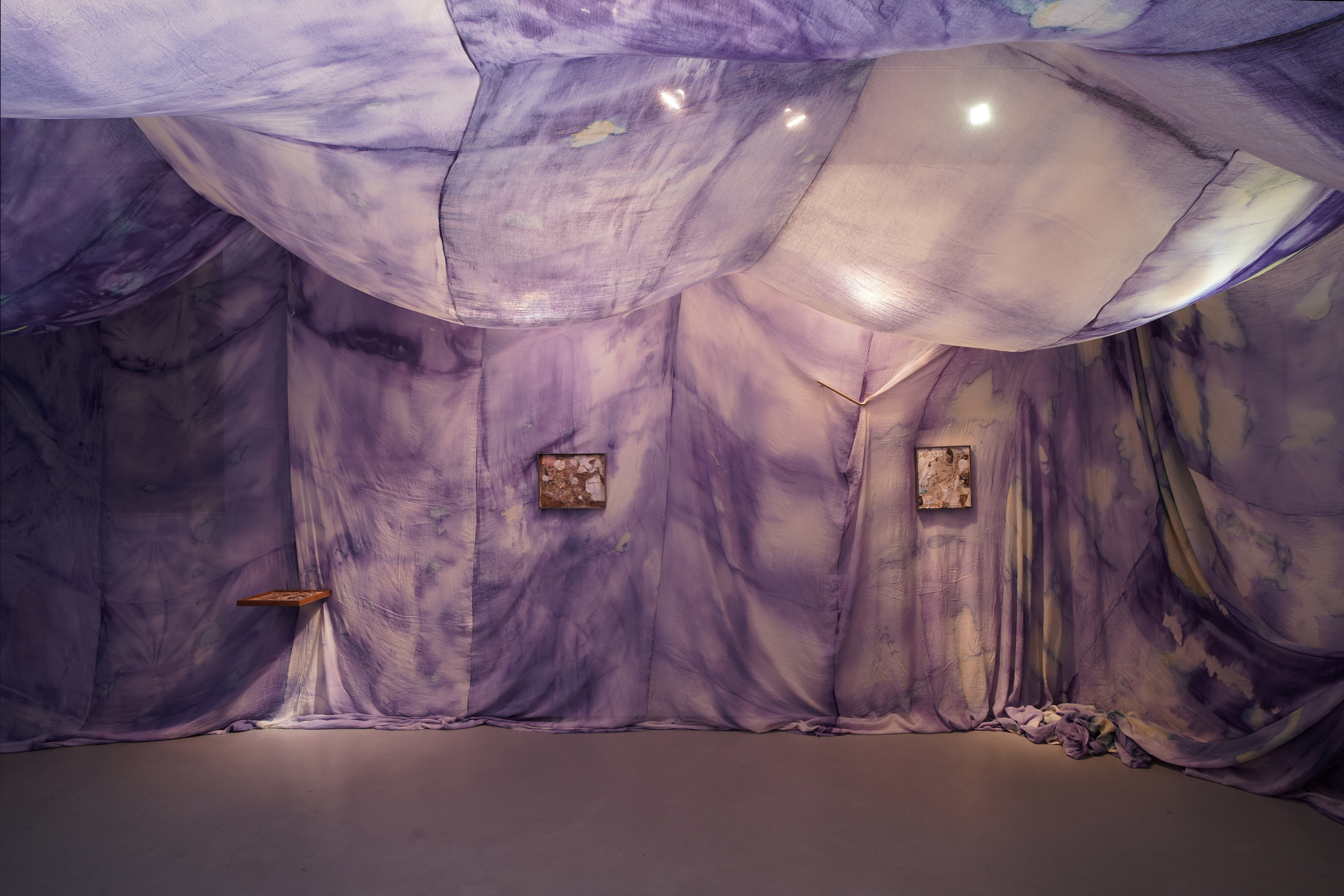
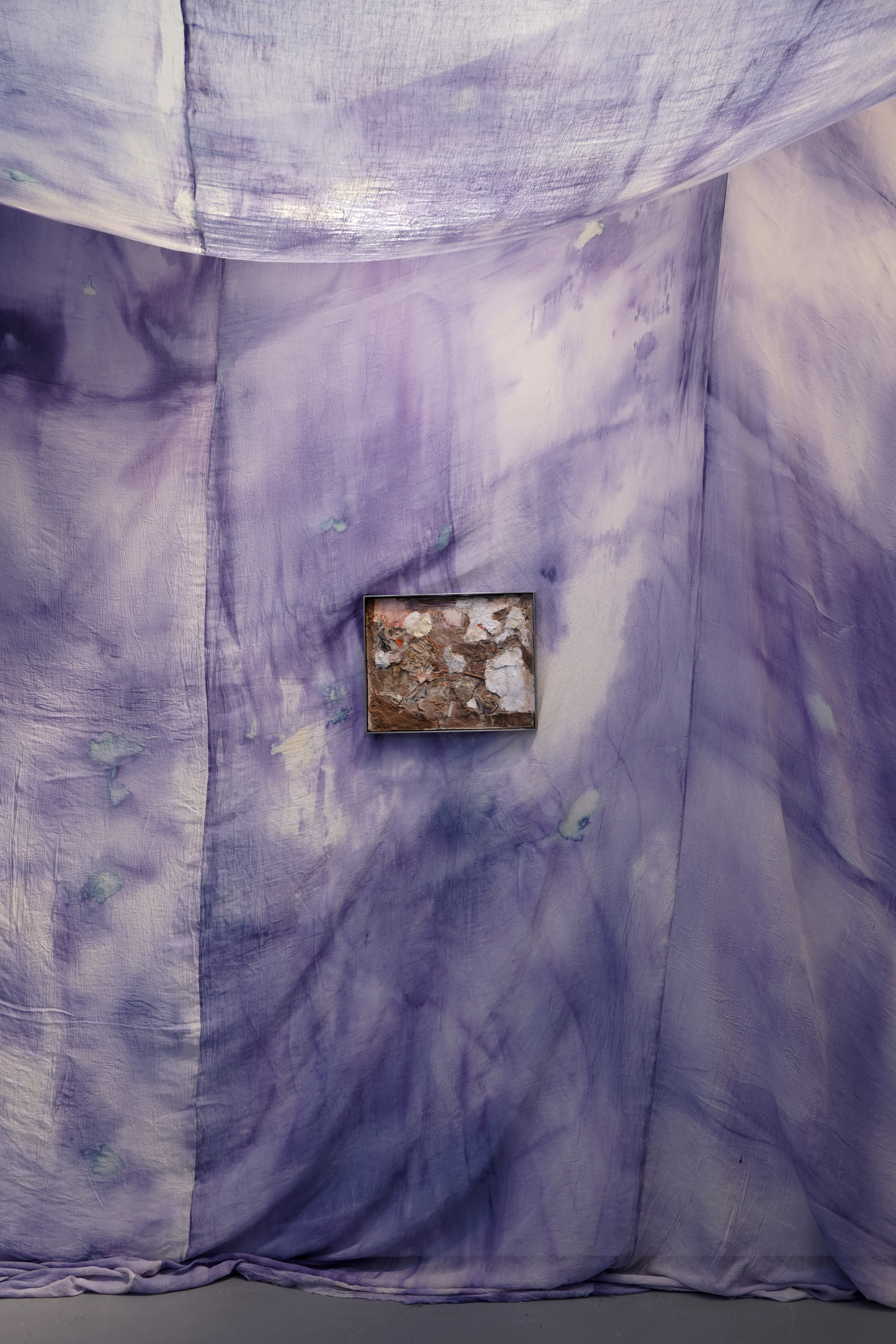
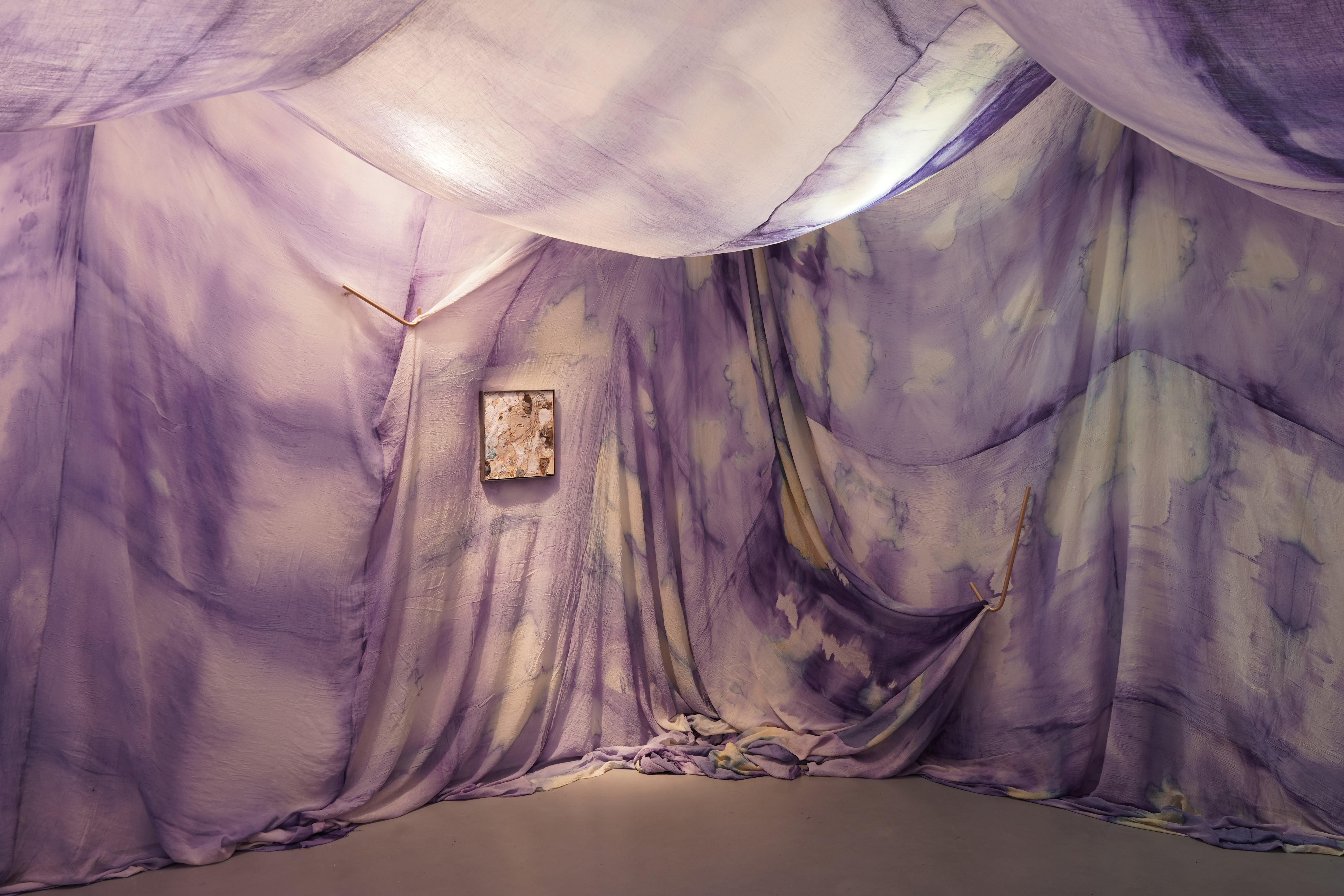
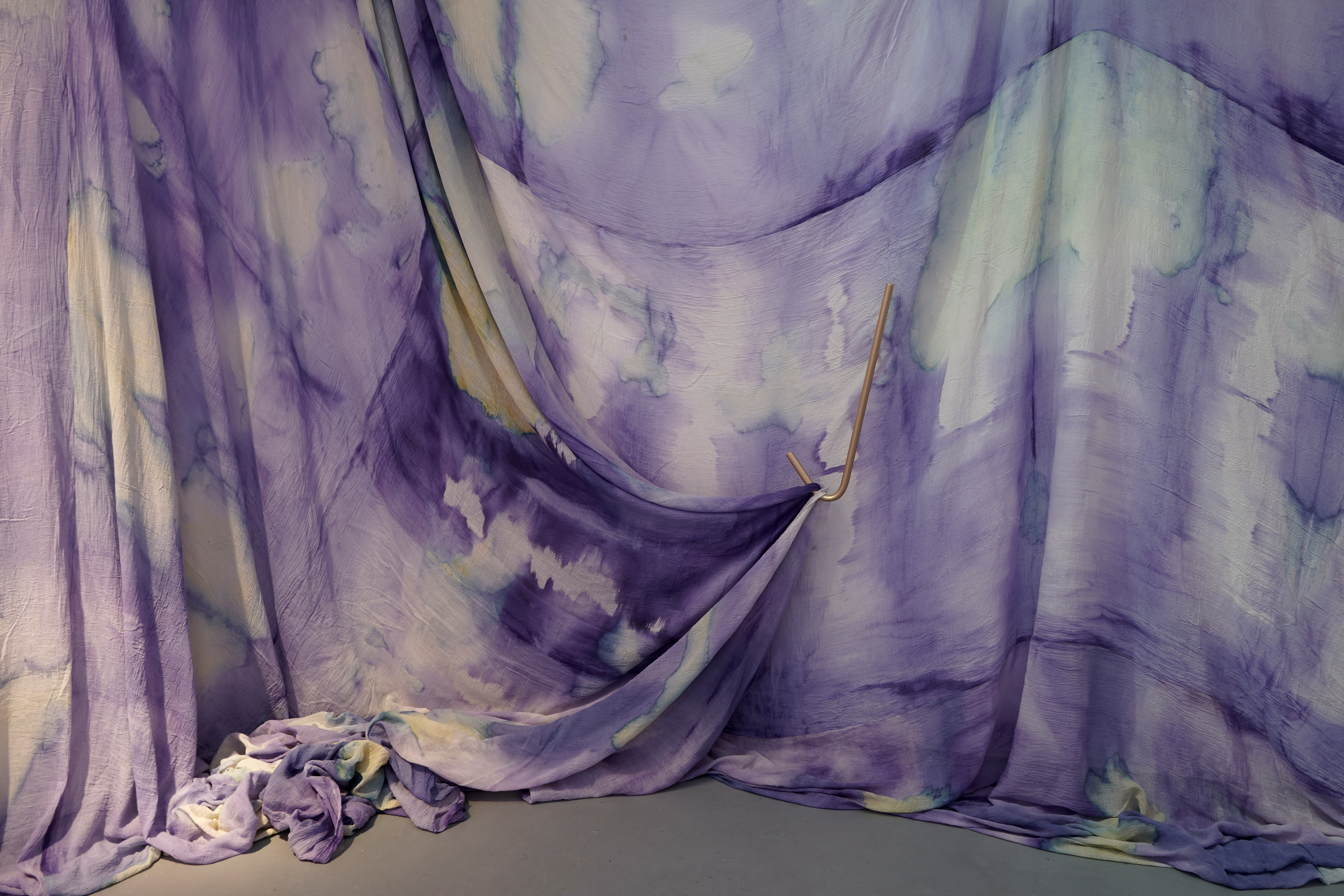
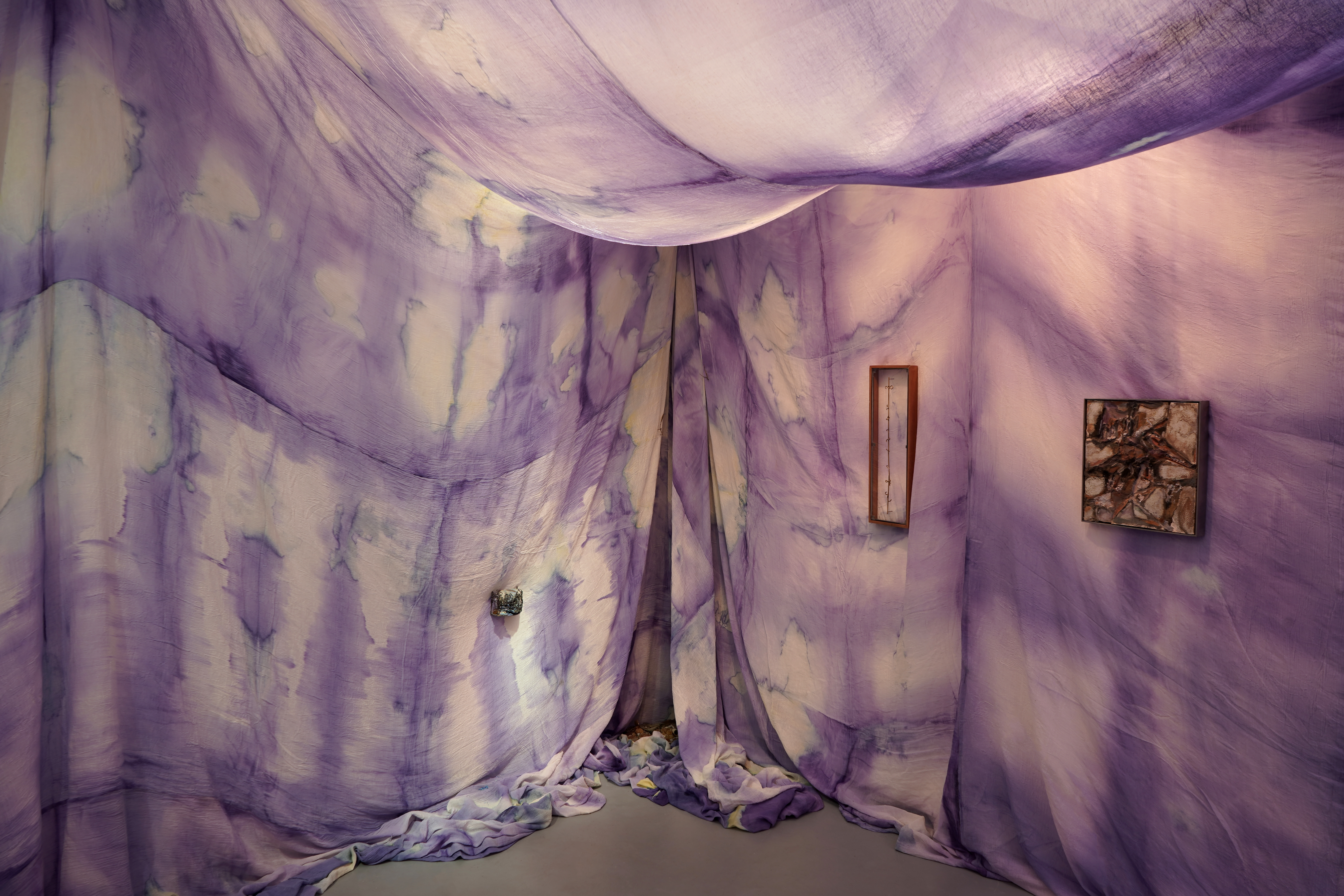
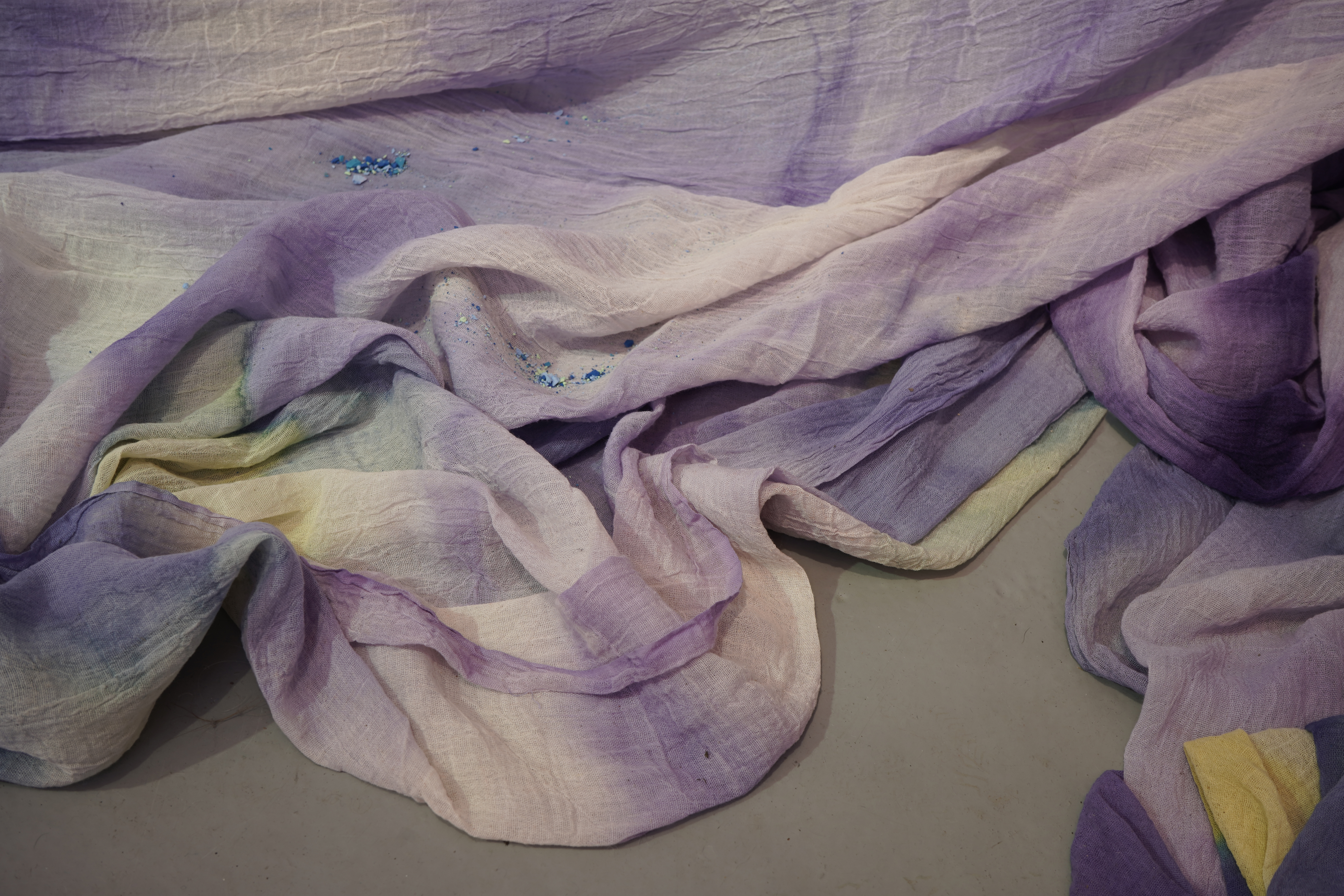
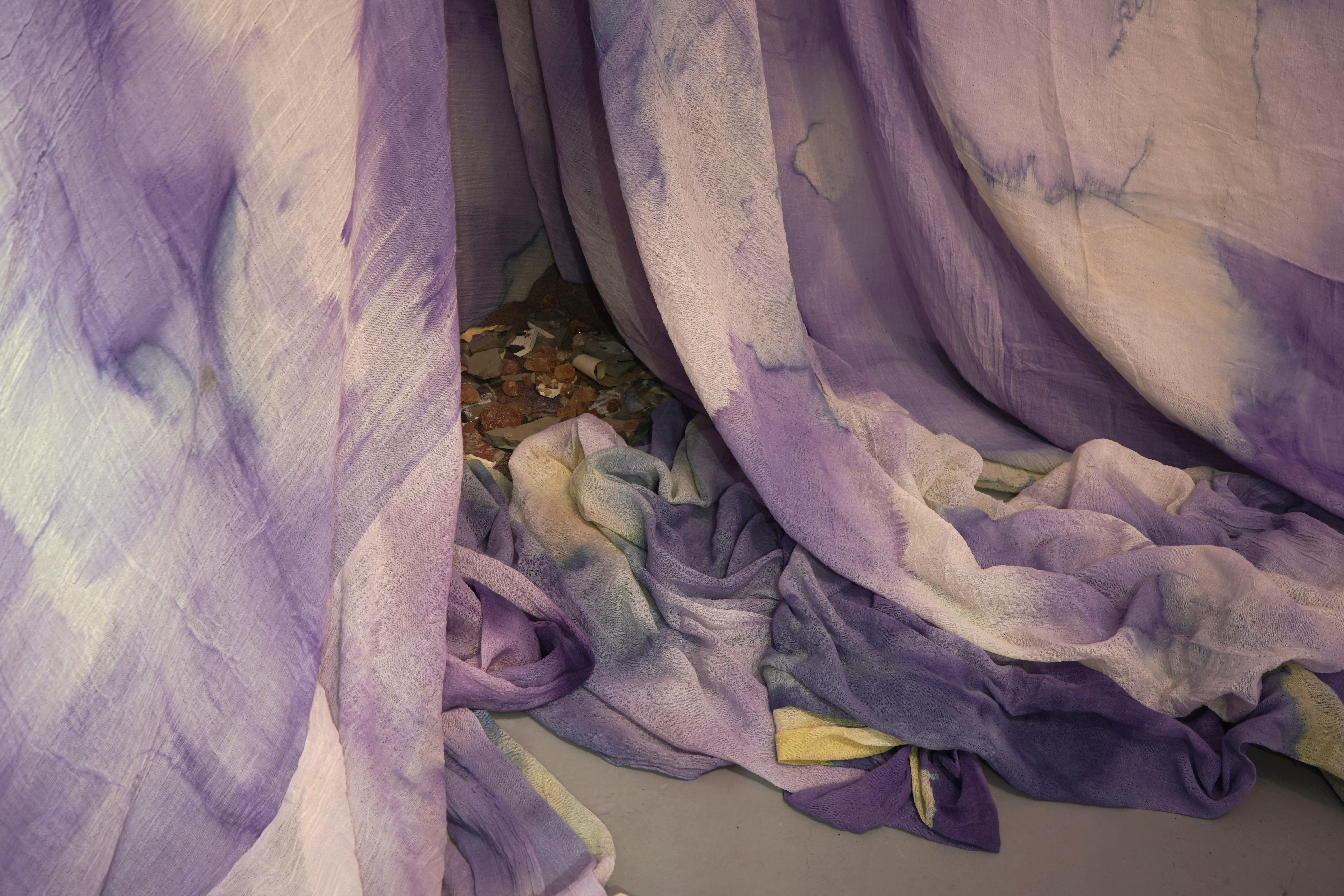
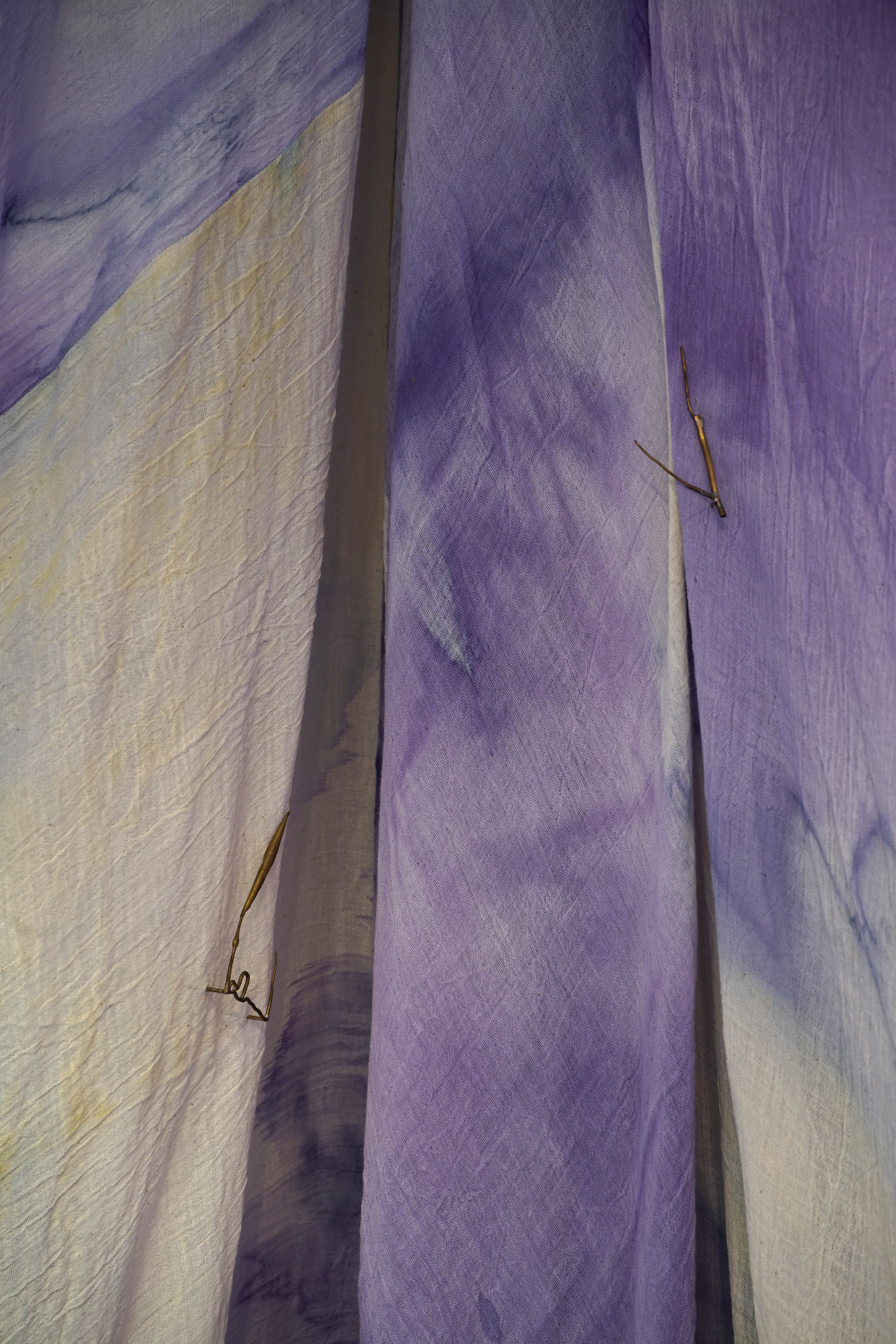
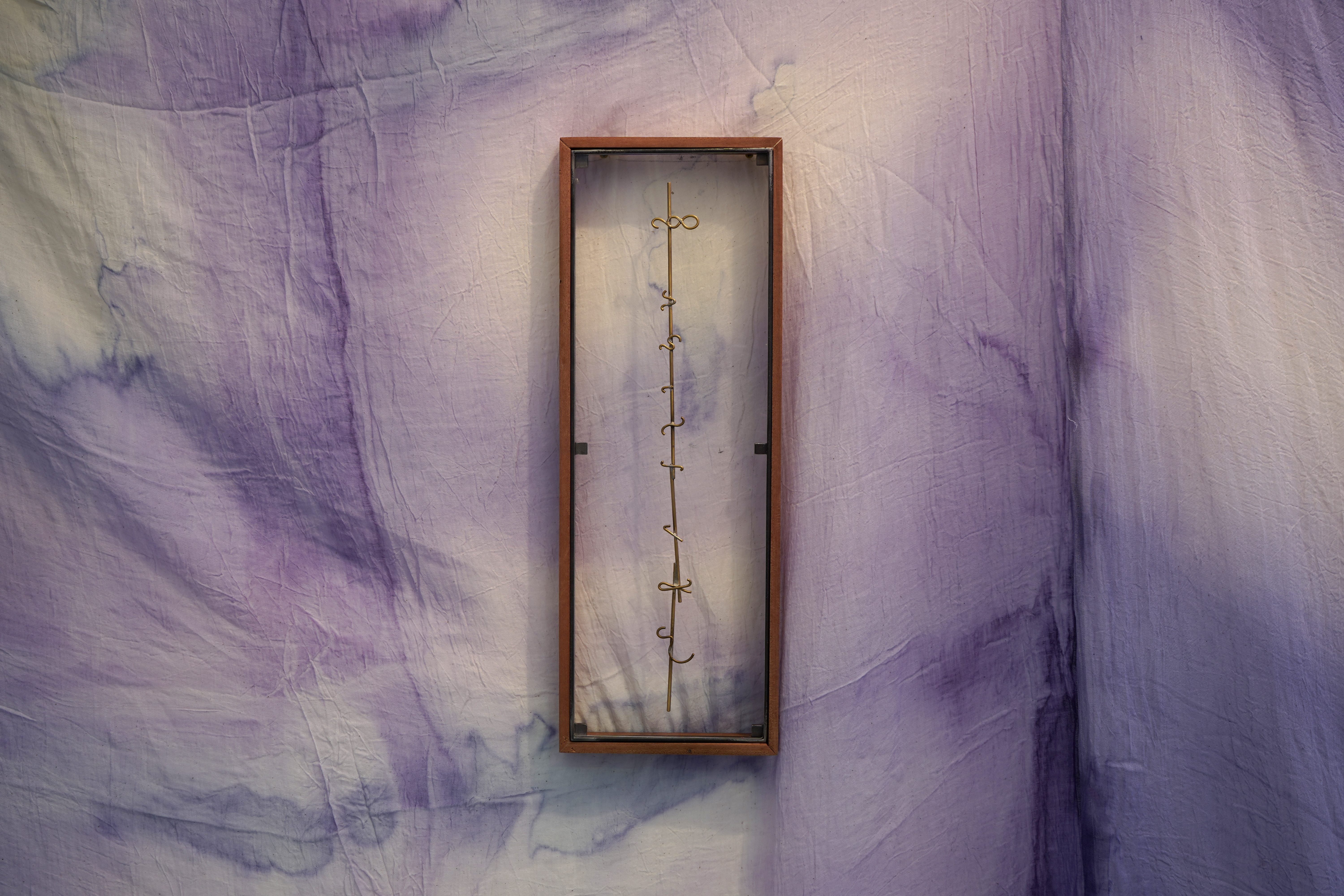
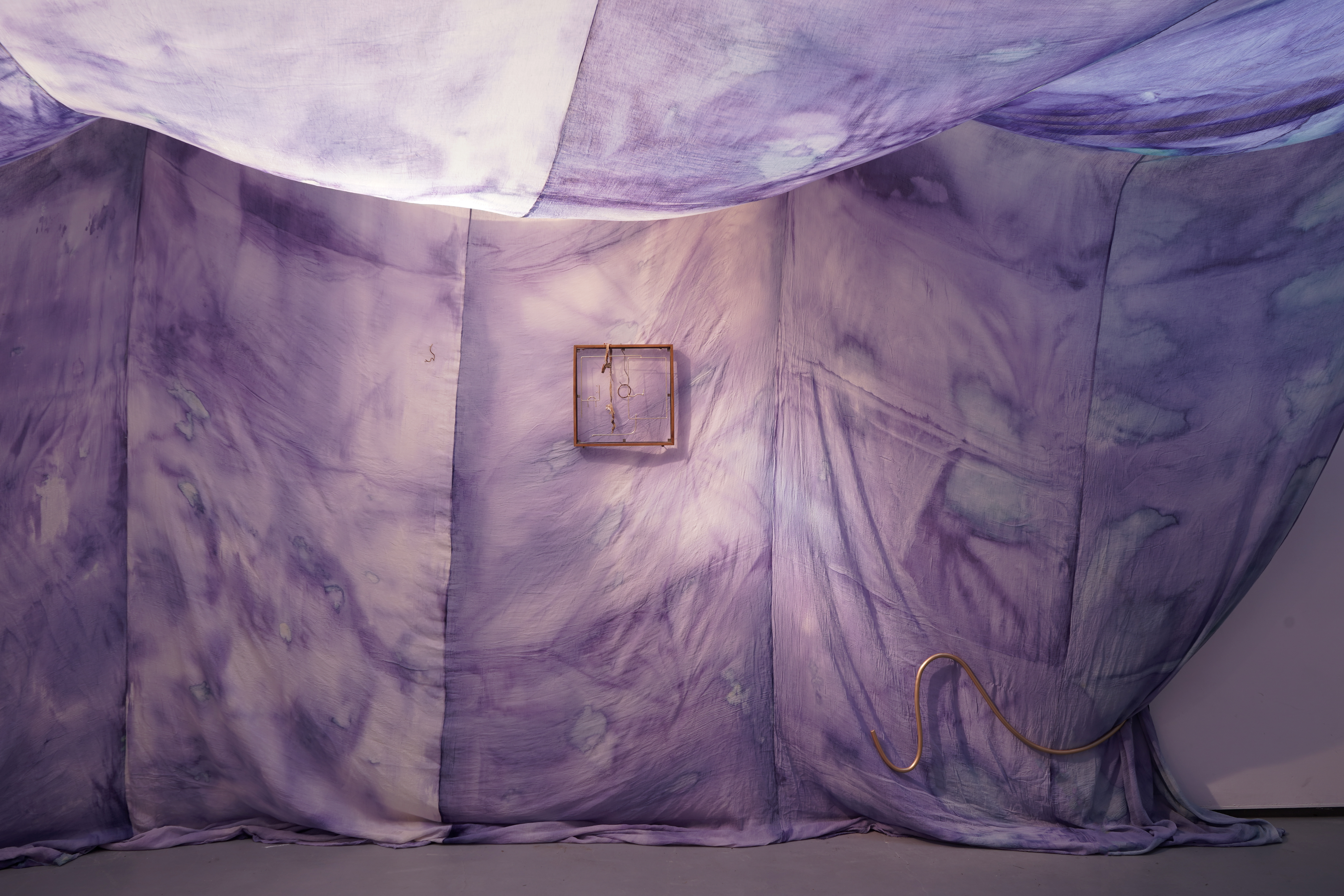
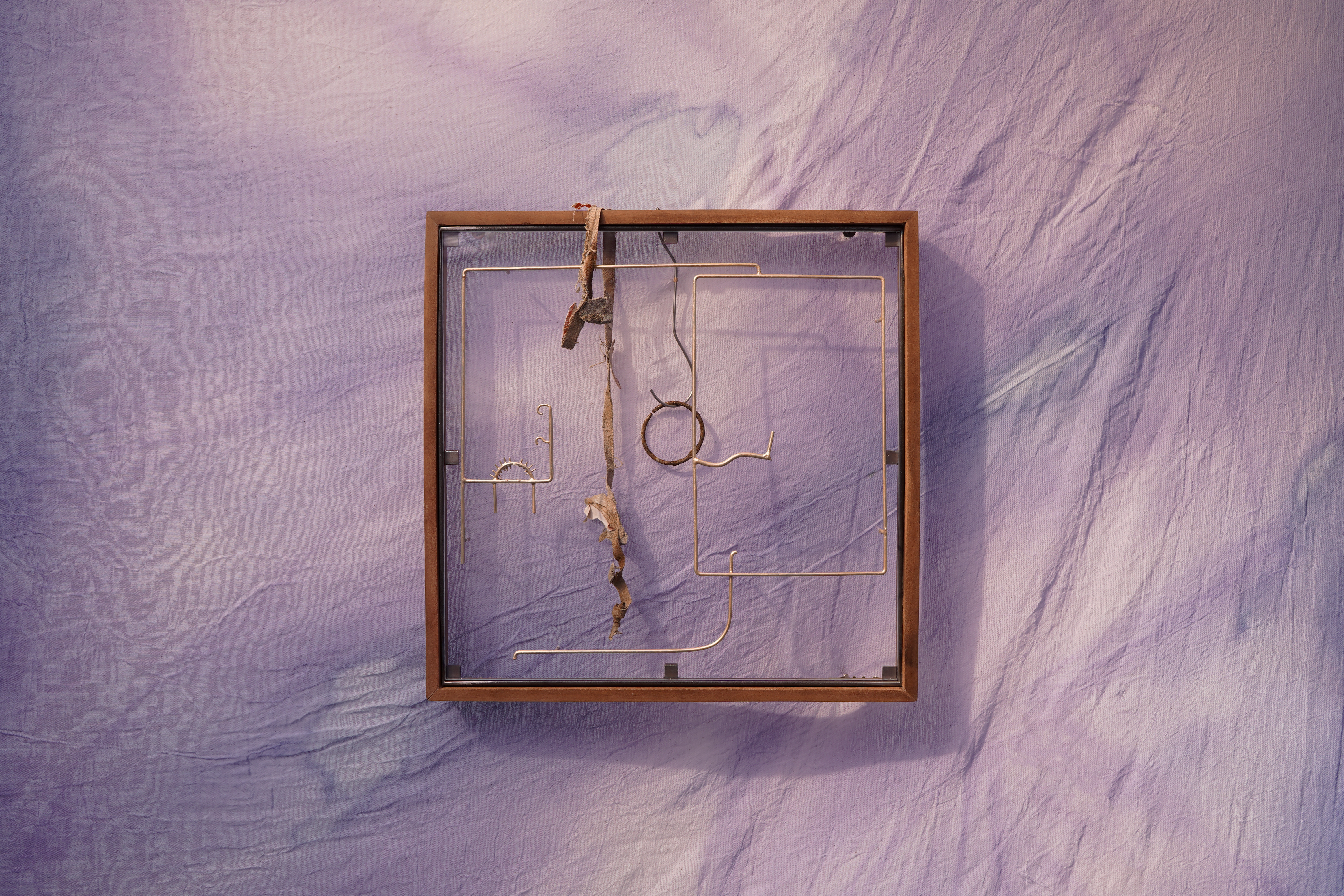
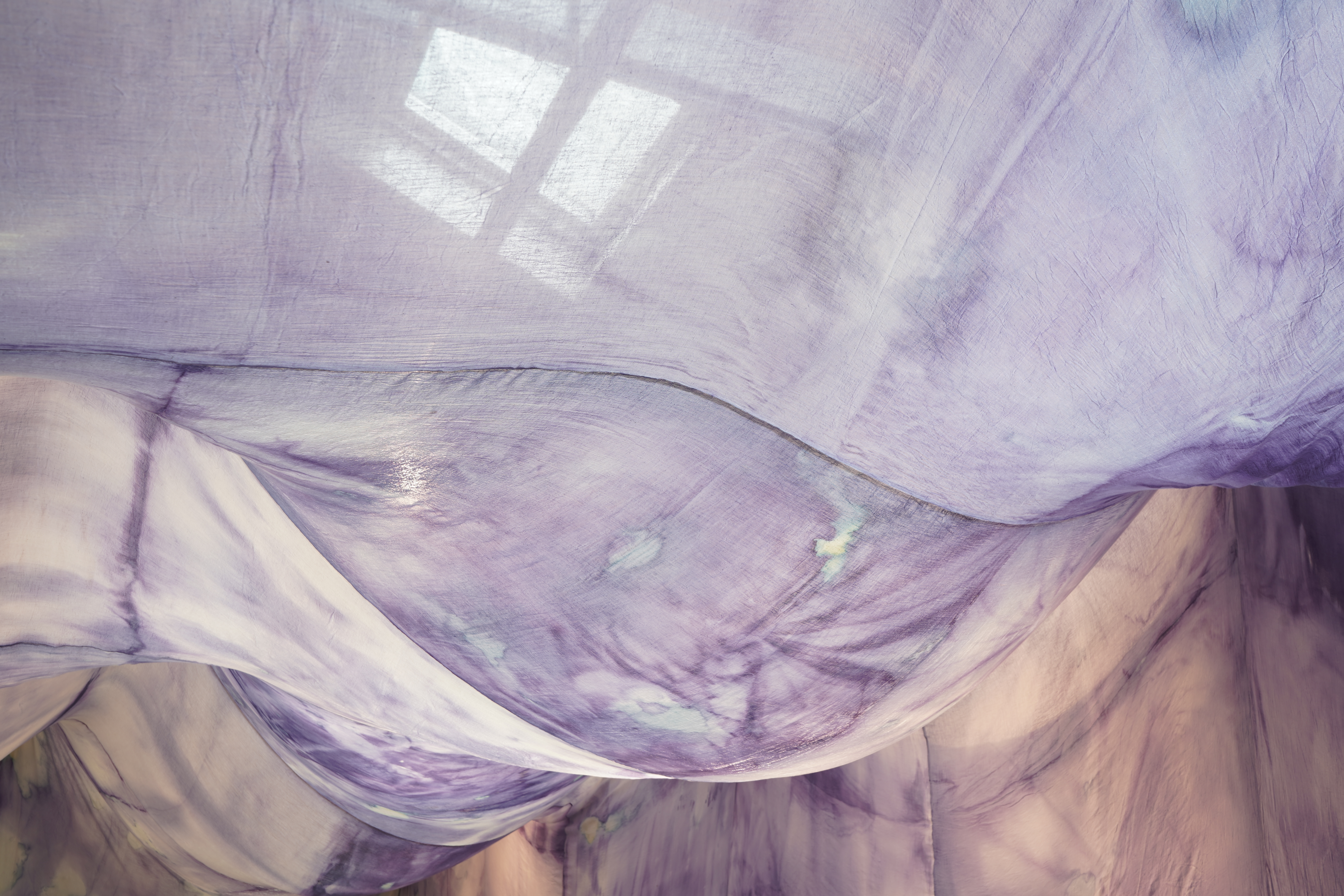
Chora is a collaborative RDF funded enquiry between Sara Barker and Rosie Morris investigating immersive installations and intimate objects as membranes of a ruined body, archiving and transmitting tacit, and complex knowledges of care. The projects first iteration is a new collaborative public installation for 36 Gallery, Newcastle, serving as an artistic encounter and host to engagement activities. As collaborators we draw on feminist spatial theory (Kristeva, Irigaray, Grosz), ecofeminist material intra-action and polyphony (Barad, Wall Kimmerer, Bakhtin, Ozeki, Cuddon), contemporary research into felt-knowledge and co-authorship (Springgay; Brand; Pallasmaa, Gale & Larkin), and archaeological research into neolithic tombs and kinship. Our installation investigates this as a porous, relational architecture (Ebling) —a container that behaves like a living or ruined body (Bachelard, Sasraku): a host, a skin, a shelter, a site of memory. The resulting artwork forms a semi-translucent suspended muslin painting you walk into and around created by Morris, alluding to a womb, tomb or shrine. Placed inside at child-heights, in folds, and as drawers Barker’s works resemble votives, field-trays, archaeological fragments, sifted through and pushed into corners. Sally Pilkington’s 5:1 commissioned sound further intensifies space of comfort, introspection and dissonant dialogue with human and more-than-human bodies. Morris’s methods of production are material and relational rather than representational, rooted in the embodied experiences of familial domesticity and reciprocity with the more-than-human. Acting as proxy or shroud for the human body, its size demands an enactment of arduous domestic labour: time spent grappling, folding, souring, mordenting, bathing and stitching. These actions are archived: red cabbage shibori-dye emphases bed-sheet-scale folds and creases, modifiers of soda crystals and vinegar alchemise colour, printing gestural traces of wringing, smearing and mopping. These actions set in motion a continuing a material intra-action between leaky, decaying, and digestive more-than-human-bodies, as materials drip and hang to dry, further interacting with heat and light. The fabric’s form is bodily, mammalian (breast-like), and intestinal, echoing neolithic tombs and sarcophagi references to the body, kinship, and flesh-eating. There is a post-human flow (Fowler, Ingold) as objects destabilise to become material and relational: fabric bulges and wafts, revealing tensions between fluidity and solidity, further complicated in dialogue with Barker’s lyrically placed ‘Supports’ and at times transparent assemblages which frame, pinch, press, pierce, protrude, gather and conceal. |