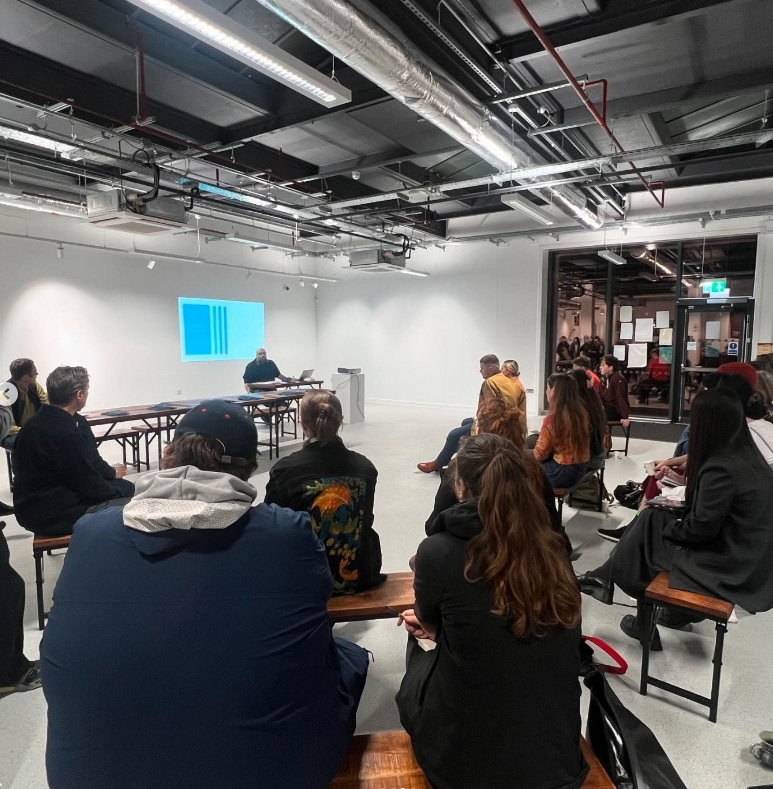
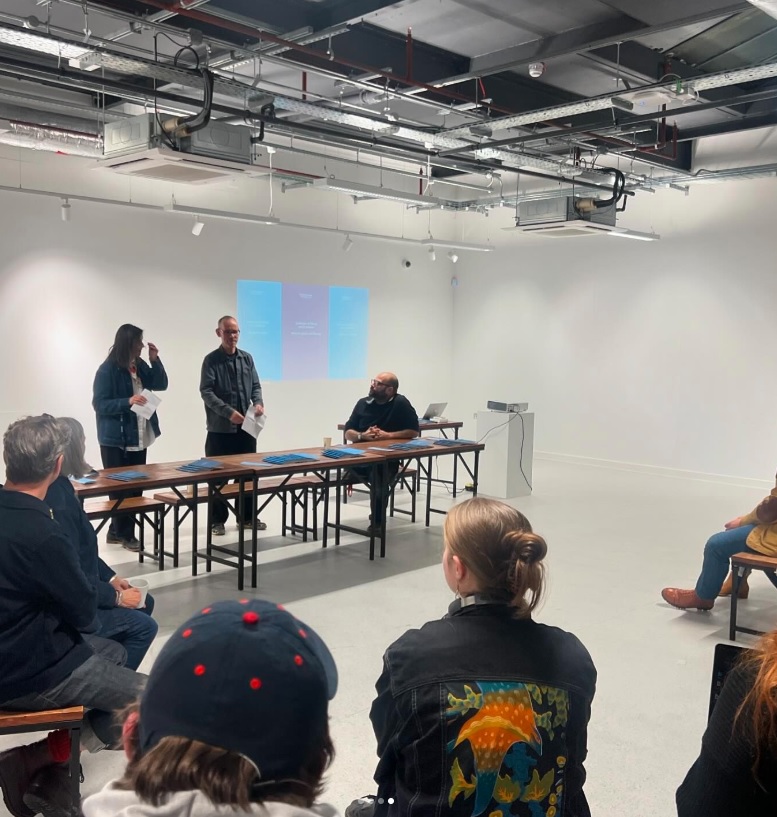
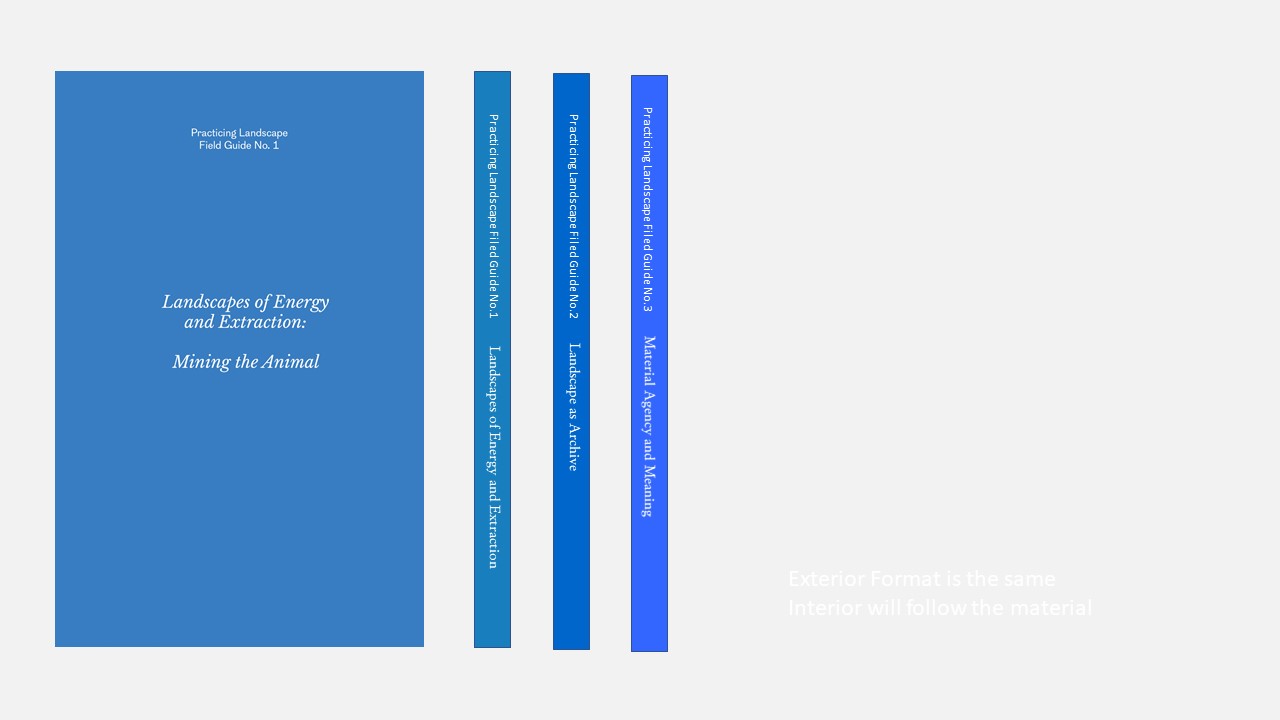
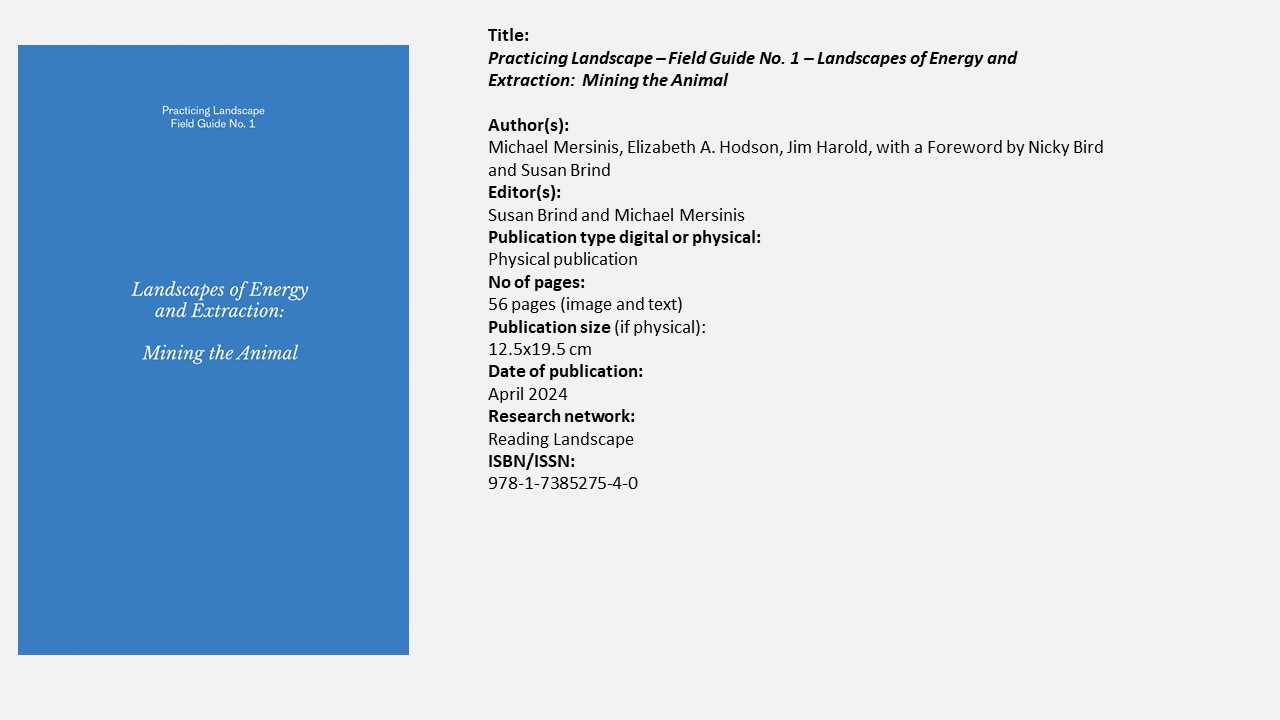
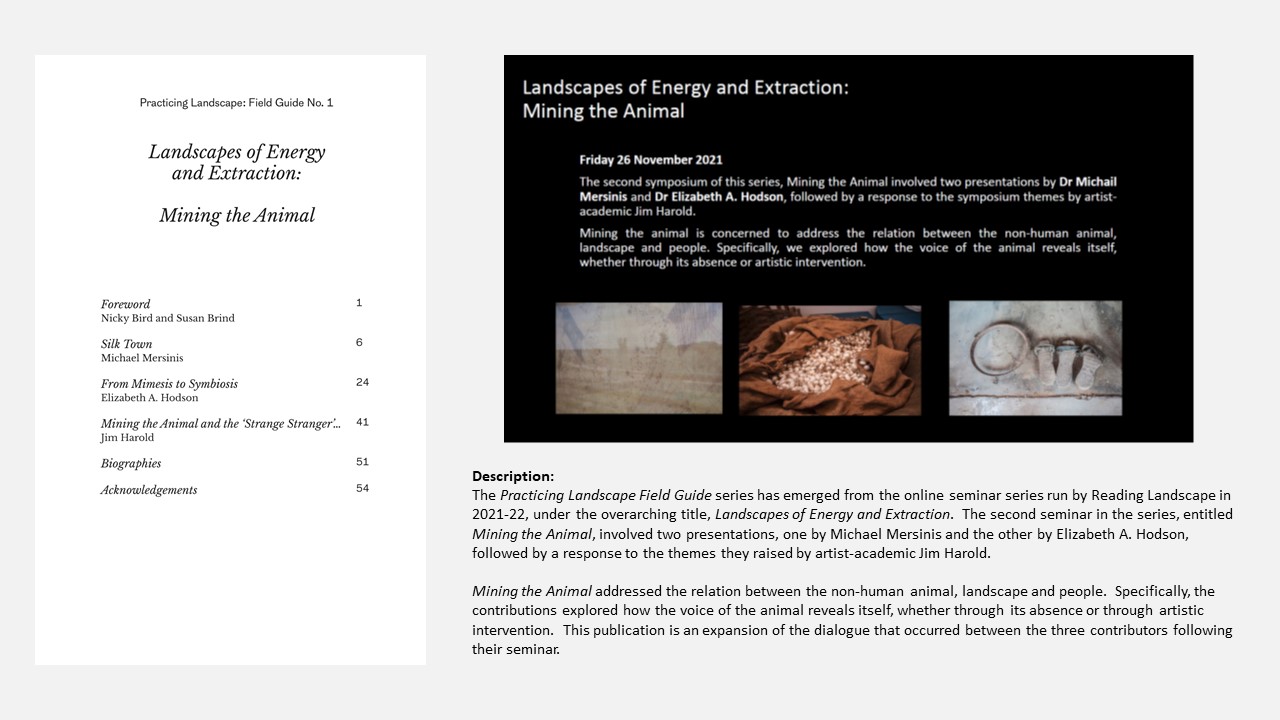
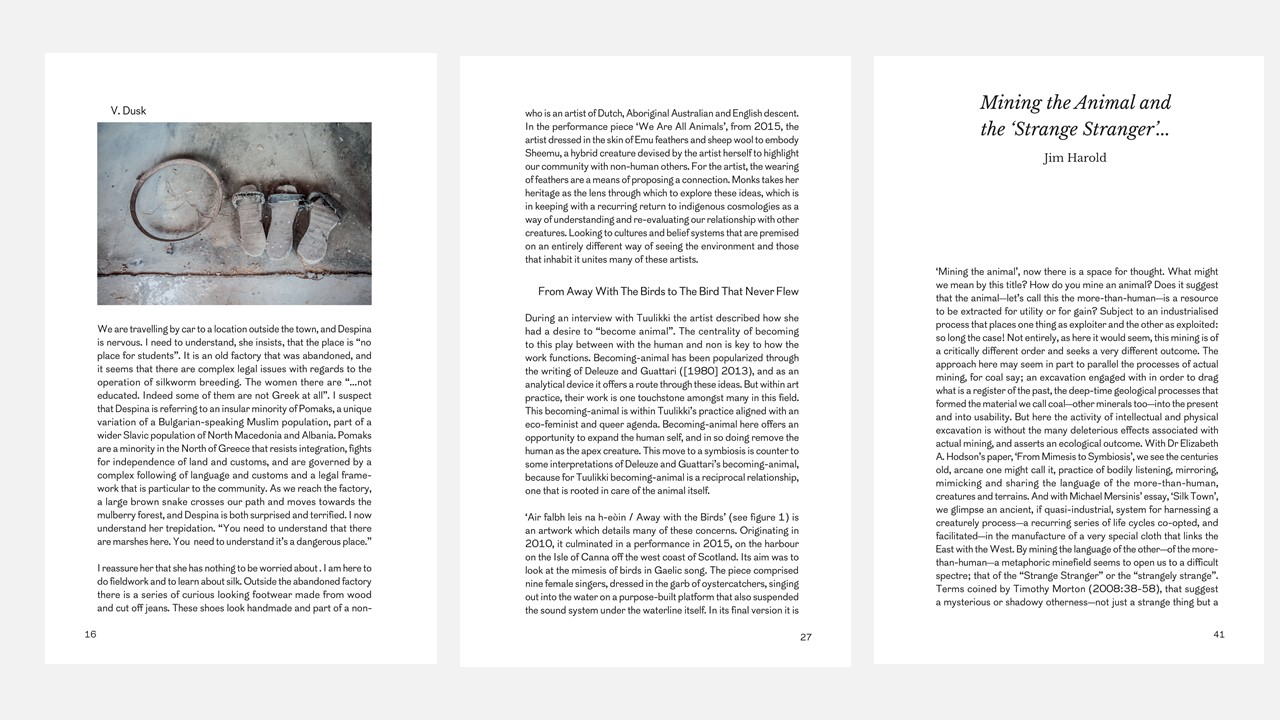
The Practicing Landscape Field Guide series has emerged from the online seminar series run by Reading Landscape in 2021-22, under the overarching title, Landscapes of Energy and Extraction.
Mining the Animal addressed the relation between the non-human animal, landscape and people. Specifically, the contributions explored how the voice of the animal reveals itself, whether through its absence or through artistic intervention. This publication is an expansion of the dialogue that occurred between the three contributors following their seminar.
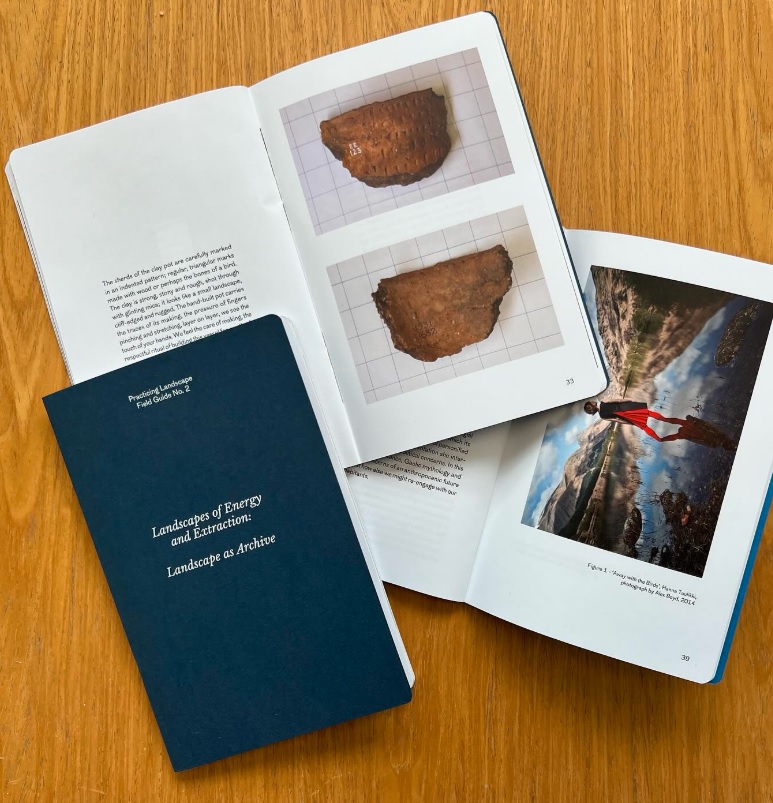
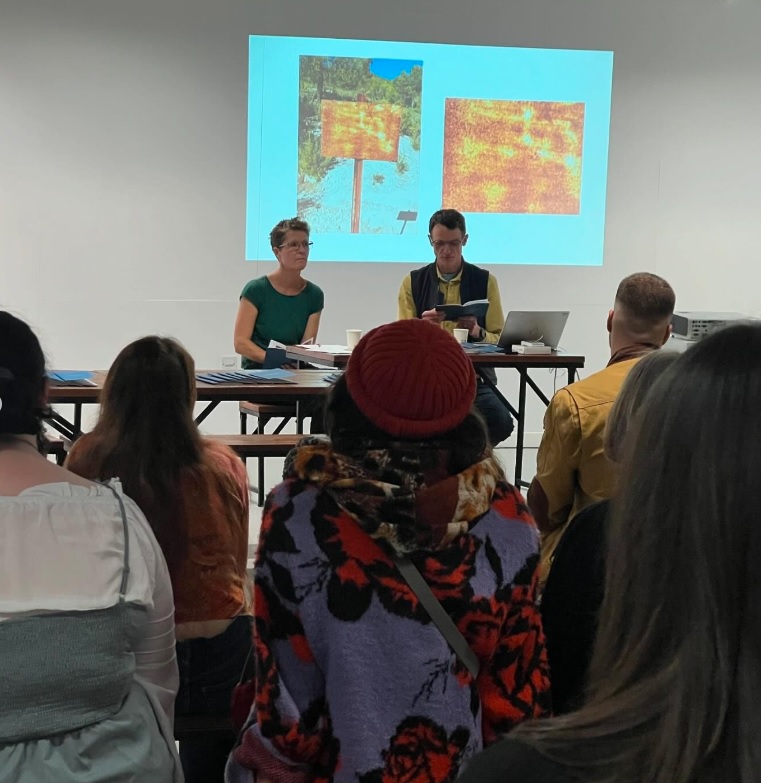
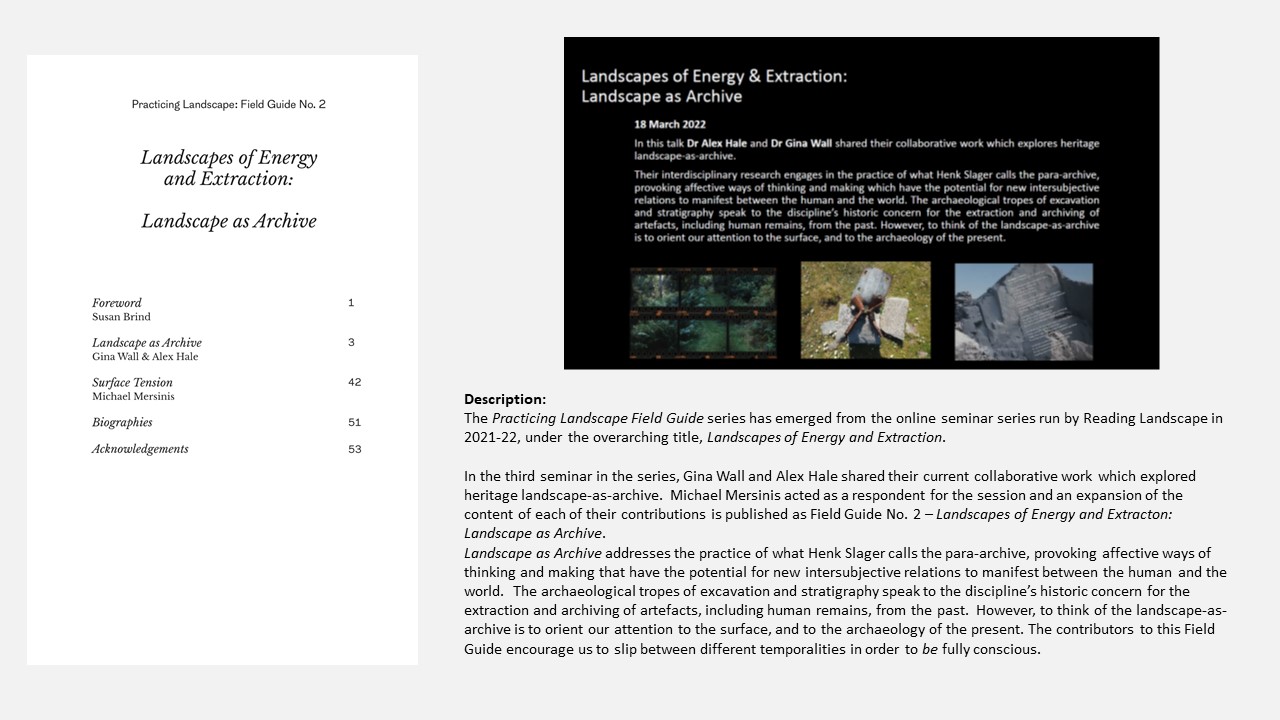
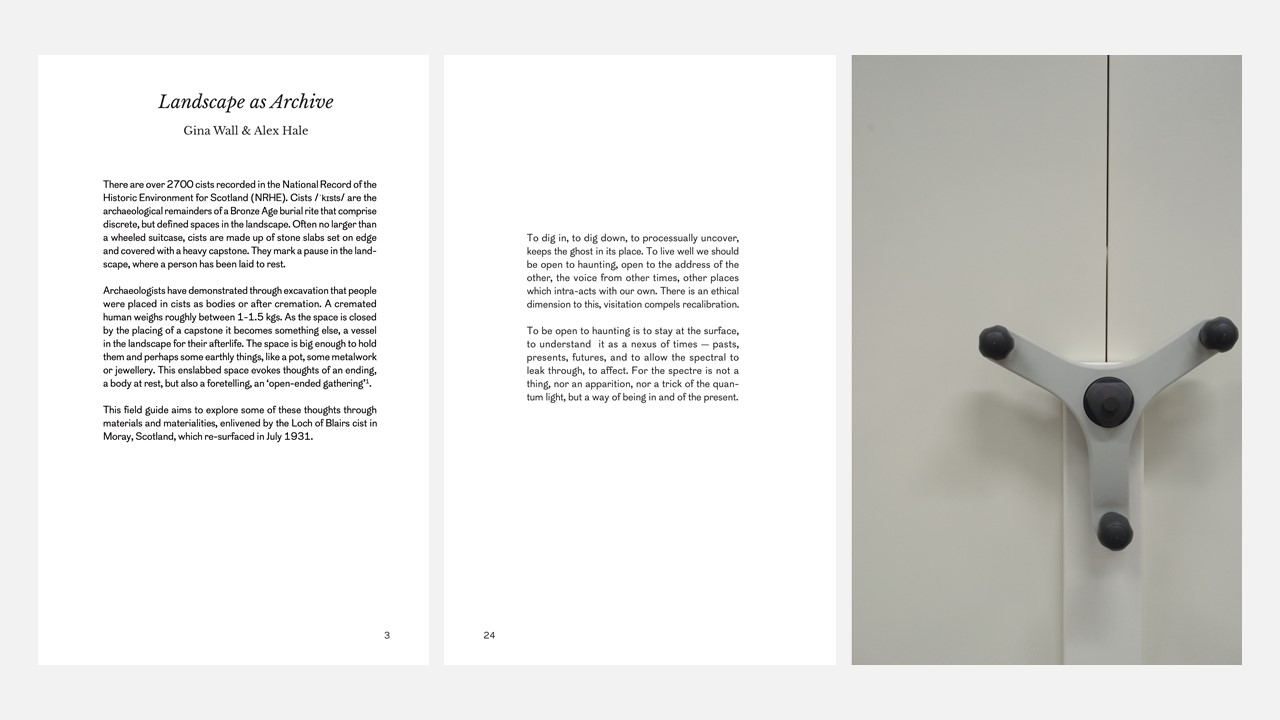
In the second publication in the series, Gina Wall and Alex Hale shared their current collaborative work which explored heritage landscape-as-archive. Michael Mersinis acted as a respondent for the session and an expansion of the content of each of their contributions is published as Field Guide No. 2 – Landscapes of Energy and Extracton: Landscape as Archive.
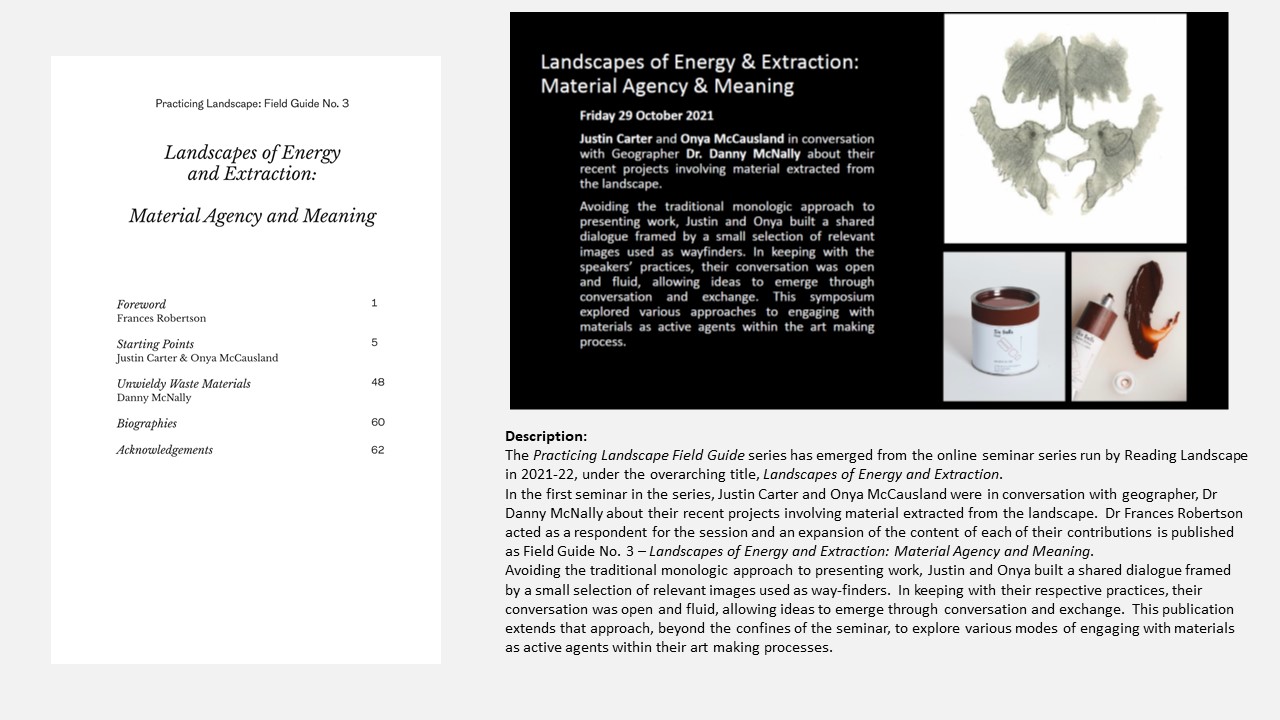
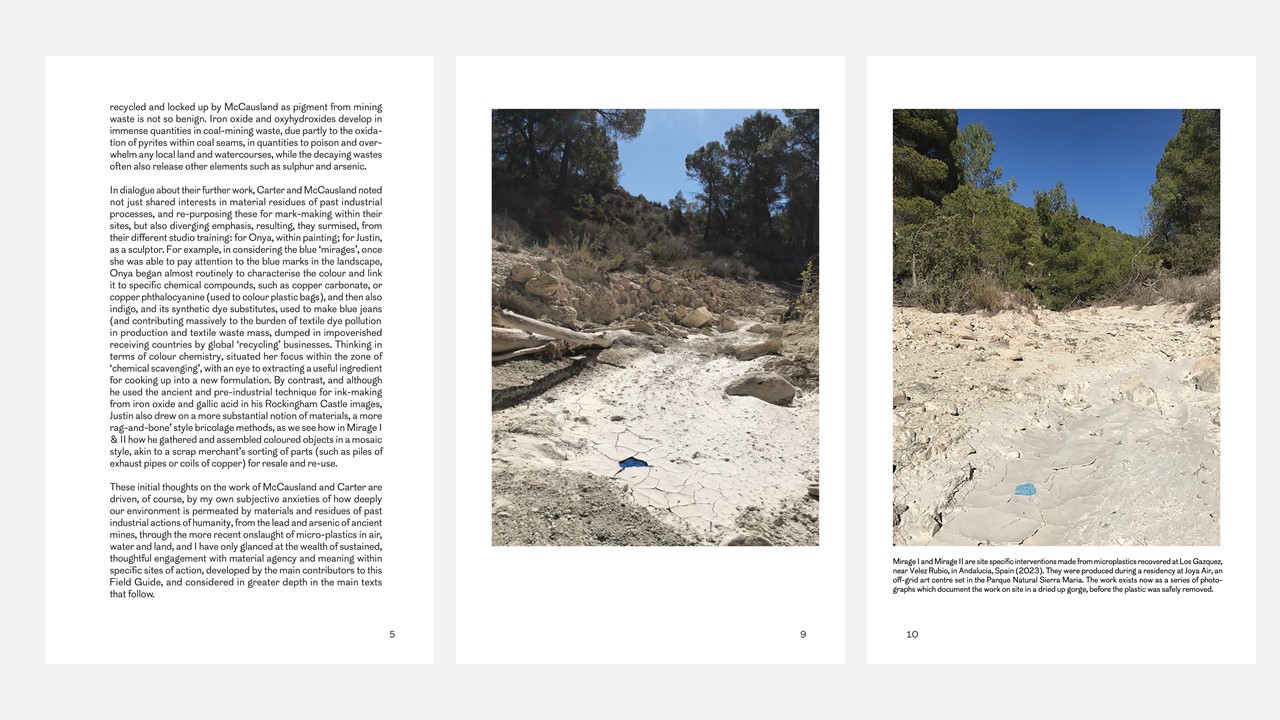
In the first seminar in the series, Justin Carter and Onya McCausland were in conversation with geographer, Dr Danny McNally about their recent projects involving material extracted from the landscape. Dr Frances Robertson acted as a respondent for the session and an expansion of the content of each of their contributions is published as Field Guide No. 3 – Landscapes of Energy and Extraction: Material Agency and Meaning.
Avoiding the traditional monologic approach to presenting work, Justin and Onya built a shared dialogue framed by a small selection of relevant images used as way-finders. In keeping with their respective practices, their conversation was open and fluid, allowing ideas to emerge through conversation and exchange. This publication extends that approach, beyond the confines of the seminar, to explore various modes of engaging with materials as active agents within their art making processes
Landscape as Archive addresses the practice of what Henk Slager calls the para-archive, provoking affective ways of thinking and making that have the potential for new intersubjective relations to manifest between the human and the world. The archaeological tropes of excavation and stratigraphy speak to the discipline’s historic concern for the extraction and archiving of artefacts, including human remains, from the past. However, to think of the landscape-as-archive is to orient our attention to the surface, and to the archaeology of the present. The contributors to this Field Guide encourage us to slip between different temporalities in order to be fully conscious.