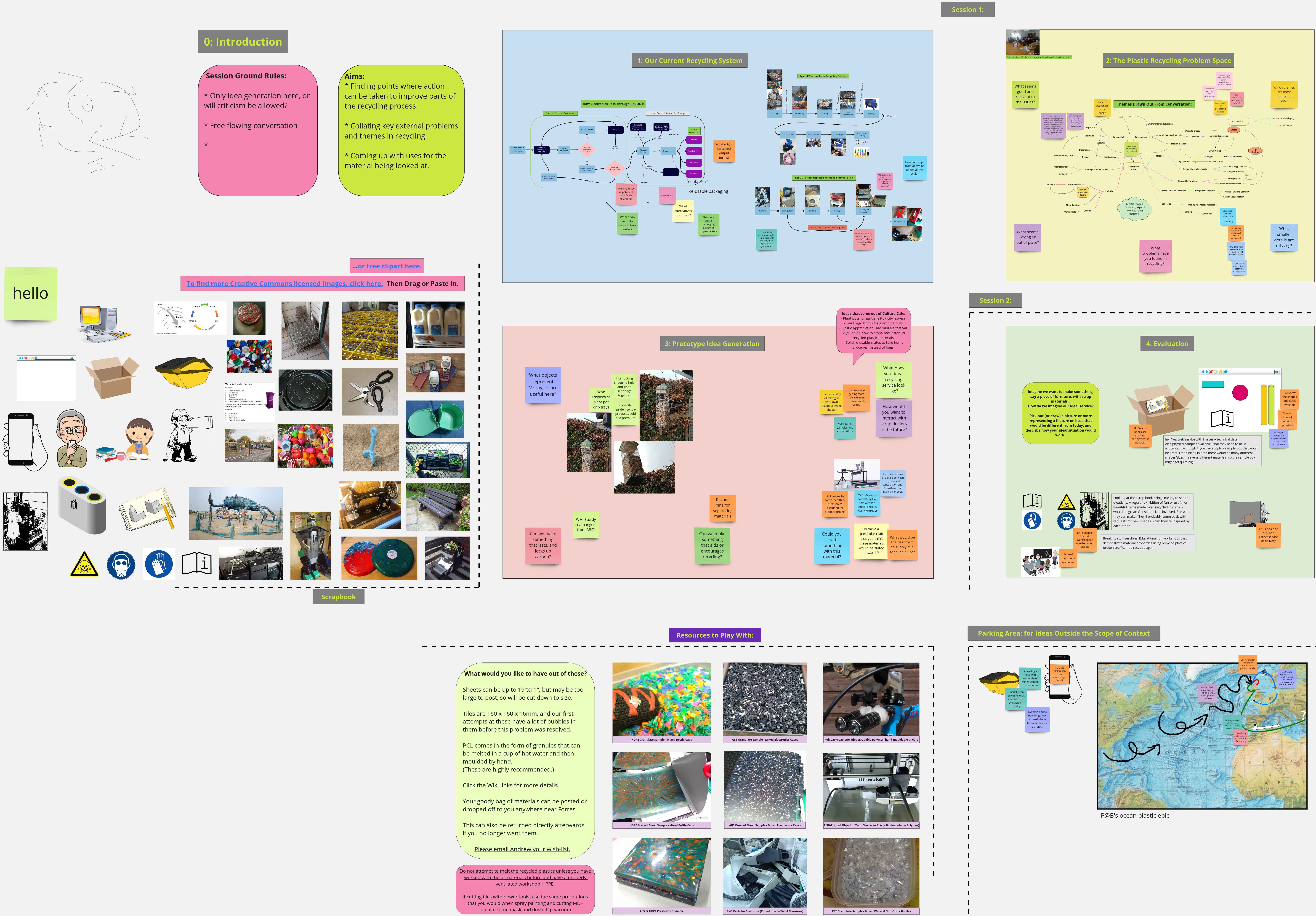
This Action Research project explores how geographically remote communities can make creative use of waste polymers for which there is no economical supply chain available to recycle them, using social enterprises in the Scottish Highlands as case studies for development.
Each year, 5 million Scots purchased 3 new electrical items on average, weighing an average 5.9kg, from which only 1.8kg of waste was recycled, according to Zero Waste Scotland in 2012, and the UK generated 1.6 million tonnes of E-waste per annum according to the Global E-Waste Monitor 2020.
ReBOOT, a charity in Forres that recycles IT equipment from across the Grampian Highlands, observed that the majority of materials they processed, by volume, were the hard polymers commonly used to encase electrical goods.
The cost of shipping this material exceeds its value for the size of delivery batch that ReBOOT are able to store, so alternatives are needed, as sending the material to landfill costs the charity money, while Moray's landfills are now closing in favour of a planned incineration facility in Aberdeen, adding to the country’s carbon footprint.
Other works considered include the Precious Plastic project, a global Open Source Hardware movement to tackle similar problems, which has developed some key tools for processing polymers at a small town scale. This is being experimented with by Plastic@Bay, a Community Interest Company trying to make saleable products from polymers recycled from beach cleans in Balnakeil, the most north-westerly village of the North-West Highlands.
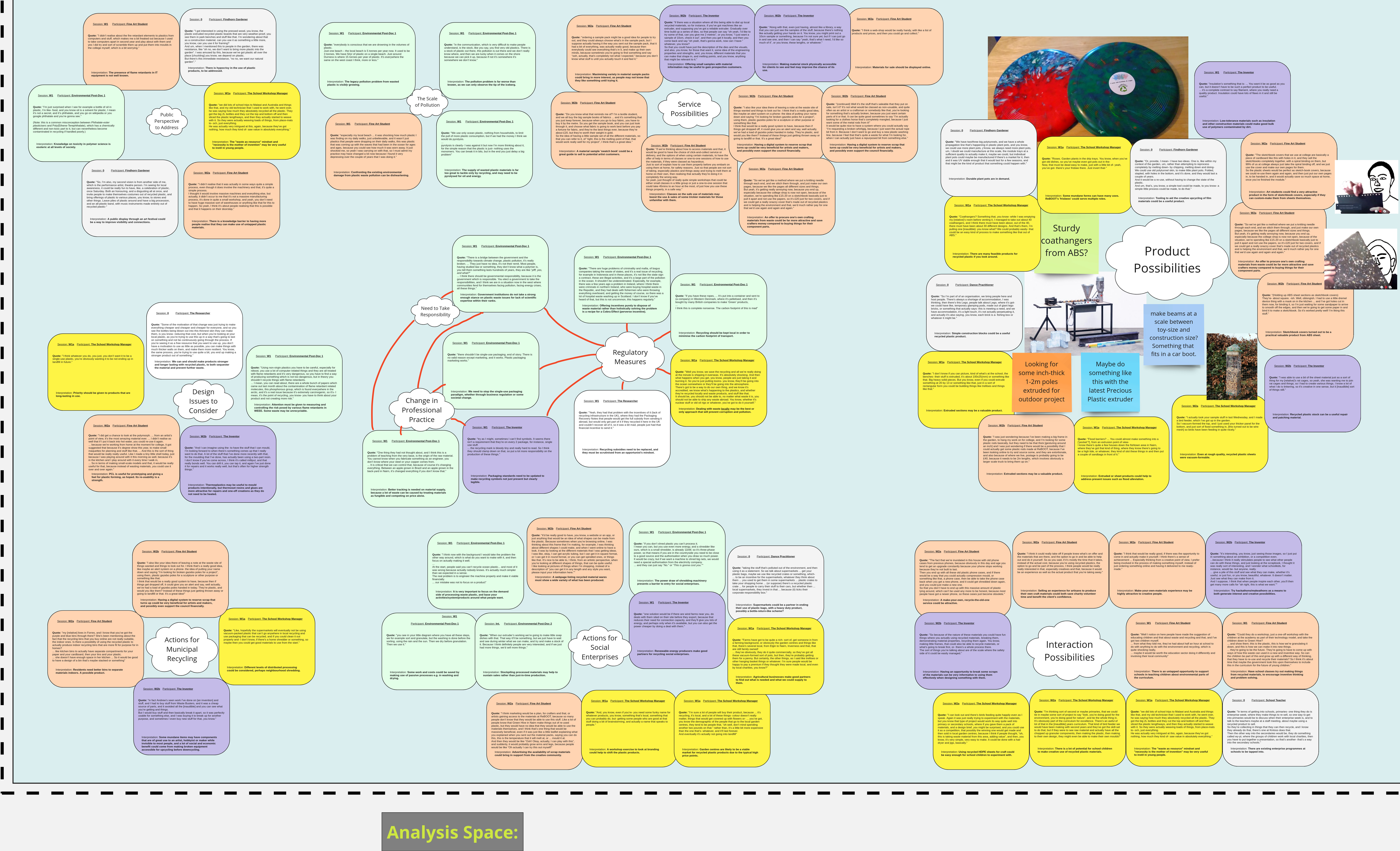
This study investigates how Co-Design methods may be able to find appropriate ways to recycle such unaddressed materials, aiming to reduce electronics polymer waste by making it available as a higher value product or as raw materials for local craft businesses. Particular attention is paid to ethics and the value of reciprocity in generative research.