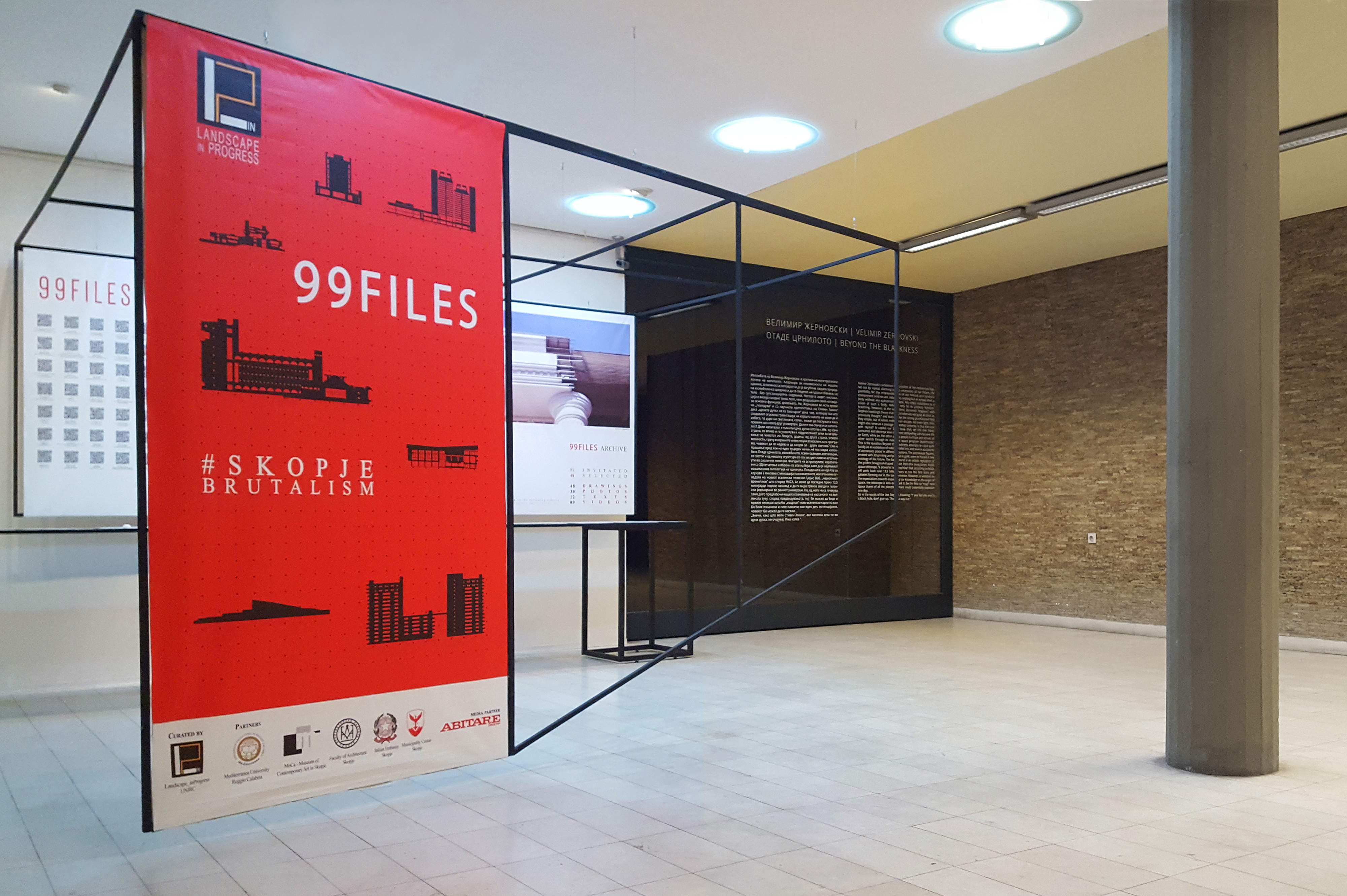
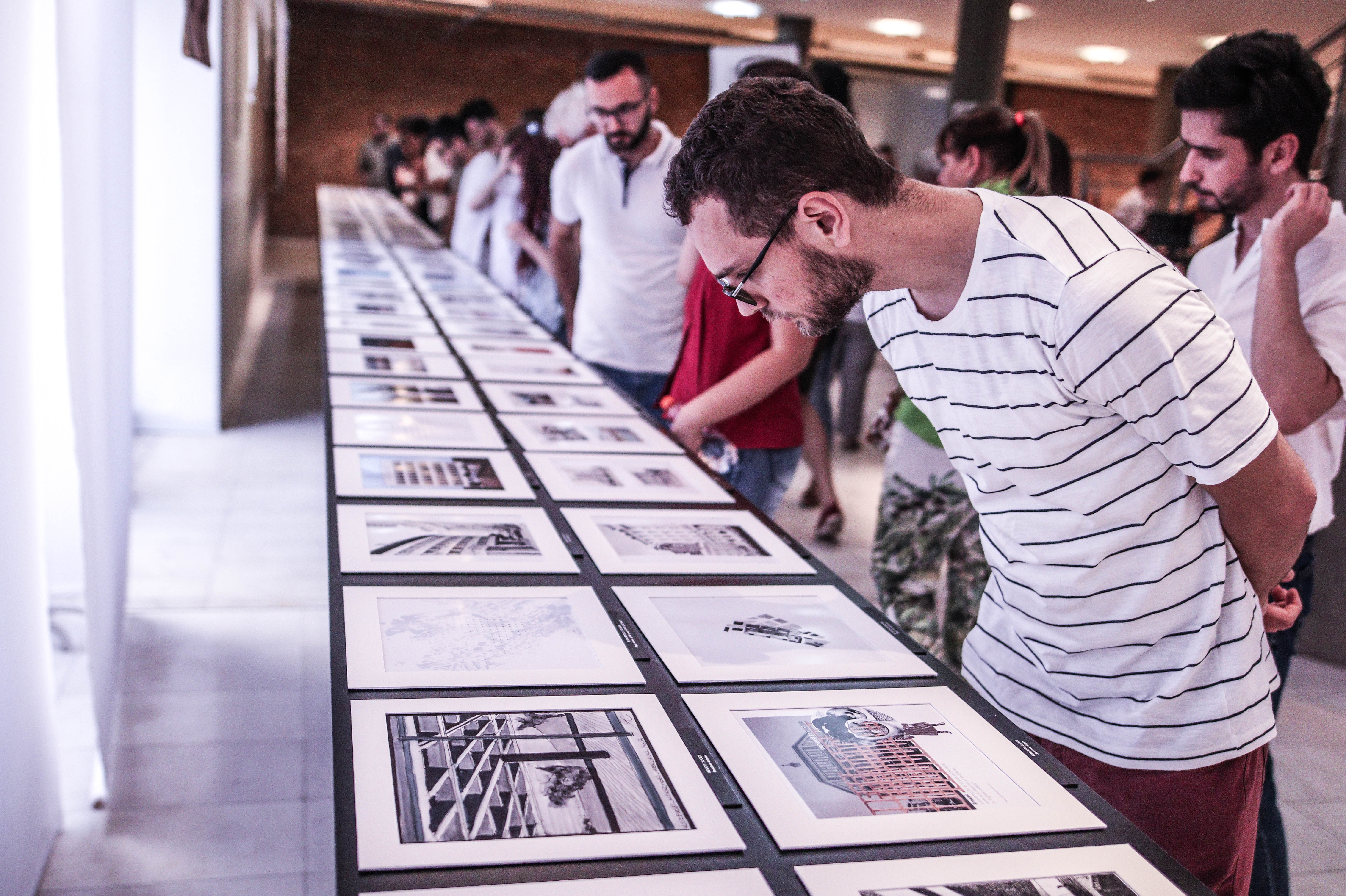
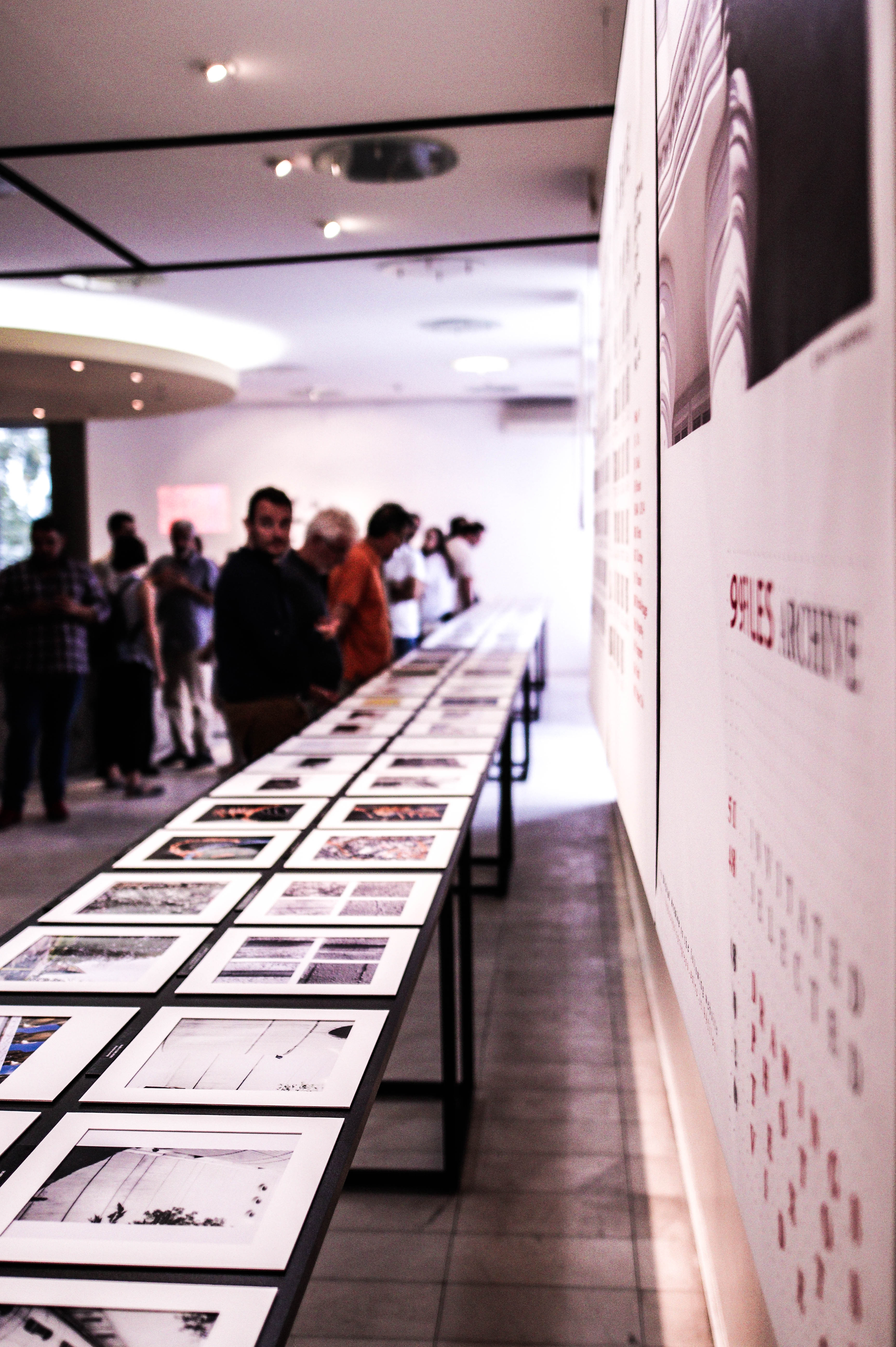
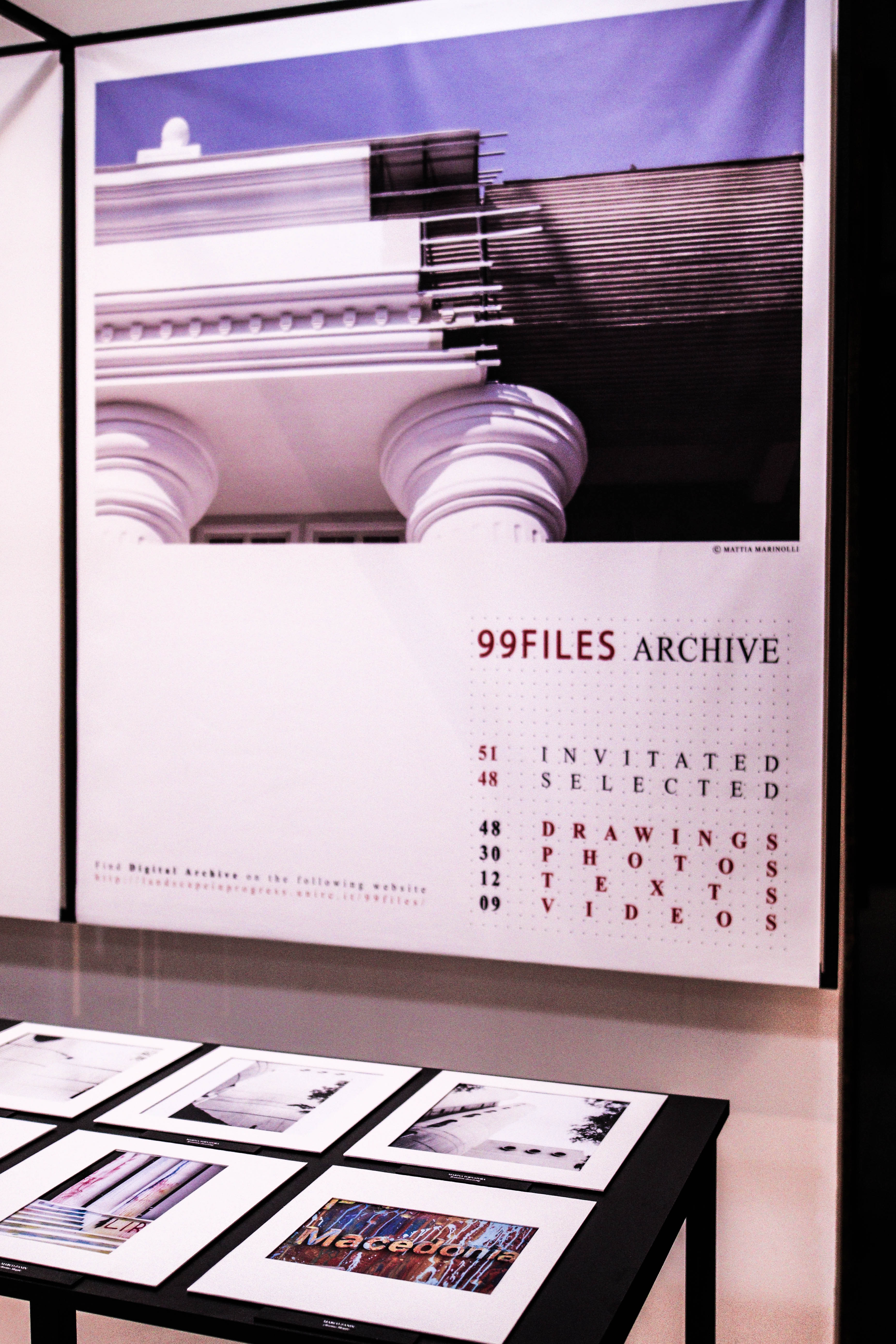
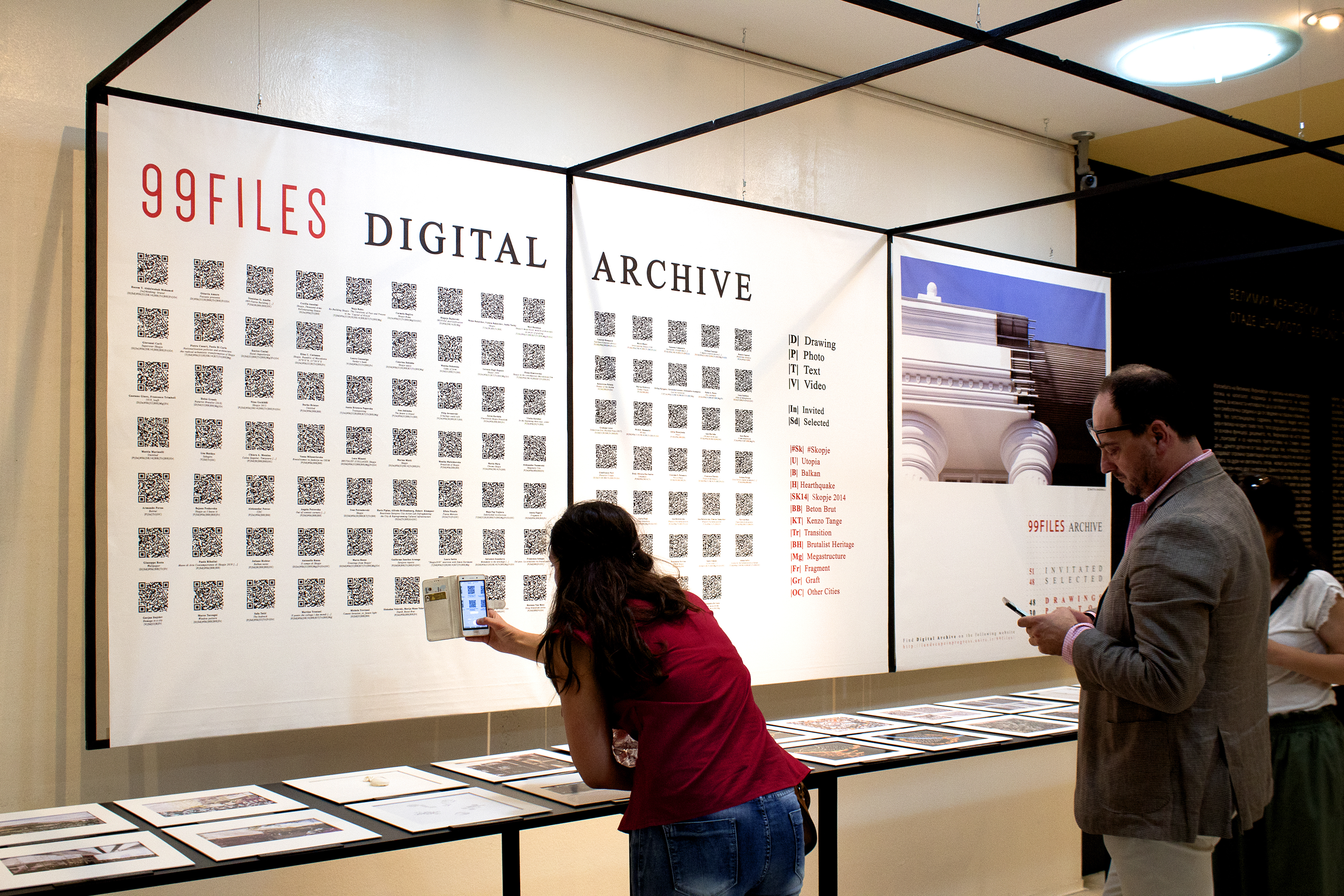
The Laboratory 'Landscape in Progress', of the Mediterranea University, opens on June 22nd 2018 with the exhibition 99FILES at MoCa-Museum of Contemporary Art in Skopje, Northern Macedonia. It takes place with the patronage of the Italian Embassy, the Faculty of Architecture in Skopje and the Municipality of Centar with ABITARE as media partner.
This event is the first step of research into the Brutalist architecture realized by a contribution of 51 invited architects, photographs, video makers and 48 selected participants through an open call.
99FILES proposes to develop a reflection regarding the architecture and the cities of the Balkan countries. The goal is to fill a void that, often, the hegemony of Western architectural culture in the second half of the twentieth century has generated, marginalizing a rich architectural production that today is at the risk of being canceled.
The initiative intends to stimulate a different point of observation of the modern and brutalist heritage of this area, releasing it from the entailed negative connotation from the ideological legacies, while offering different interpretative directions of an important string in architectural thought. These are realities still to be investigated through new visions capable of recognising the role of important architectural heritage which represents the last urban utopia of the twentieth century.
By overcoming the ideological barriers, it is possible to re-read other modernities that have characterized the architecture and the city of these countries. It is then possible to reassign what is now perceived as “the unloved heritage”(1); architectural designs which are being canceled or left to degrade.
The focus of the first edition is the city of Skopje, capital of Macedonia, where the signs of this process are the most evident. The city is configured as an emblematic case for contemporary architecture and the dynamics that cross the Balkan countries. The city today presents a vast interrupted construction site. Destroyed by the 1963 earthquake, was partially reconstructed according to the Plan of Kenzo Tange (1965), conceived as a singular moment of architectural experimentation projected into an utopian imagination. The project of the Japanese architect was based on two structural elements: The City Wall, materialized in the residential system, and the City Gate, infrastructural and commercial node. According to the strategy of Tange, these elements were conceived as “metabolic megastructures” (2) that would significantly increase the city density. This heritage today is under planned actions that destabilize the concept of modernity in favor of an architecture that does not present the same levels of innovation and quality.
Currently the fundamental parts of the city are under transformative interventions envisaged in the “Urban Renovation” SK2014, that is cancelling a significant part of the modern and brutalist heritage through introduction of new eclectic style facades that are covering the existing buildings.
99FILES aims to stimulate a multidisciplinary debate on these processes, but also to affirm into international context the architectural heritage that has the potential to represent an important historical phase that is still not much investigated by the criticism and the architectural design.
Abstract written by the organising committee of Landscape in Progress, details available http://landscapeinprogress.unirc.it/about-us/
(1) Mrduljaš, M., Kulić, V. (2012). Unfinished Modernisation, Kolorklinika, Zagreb.
(2) AA.VV., (2014). Findings, Youth Cultural Center, Skopje.

![Landscape in Progress:99 Files [Juried Group Exhibition]](https://radar.gsa.ac.uk/6341/2/002_GL_99Files%20Overview%20Image.png)