Visible Language: GSA Caseroom Research Cluster
Work in Progress

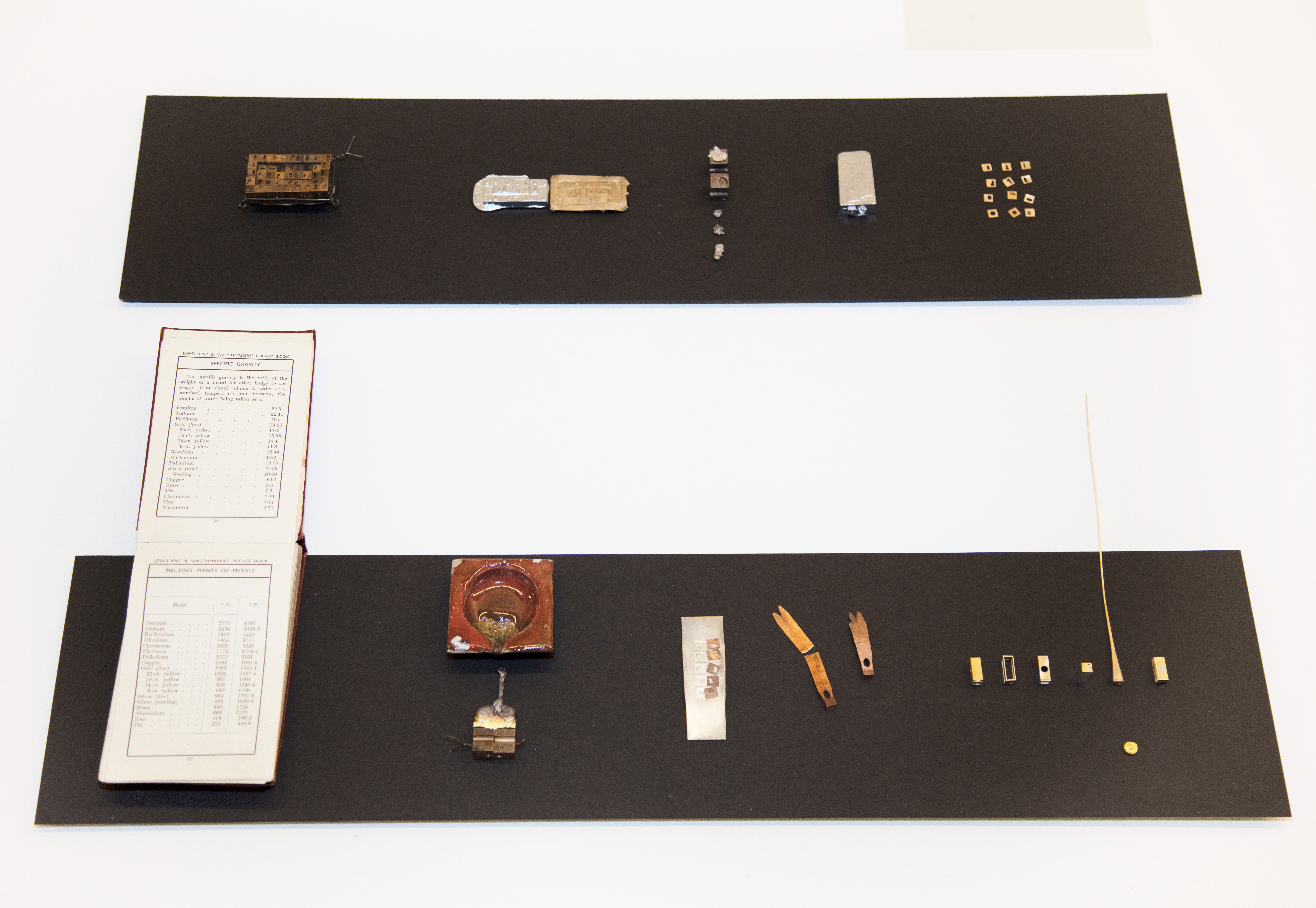
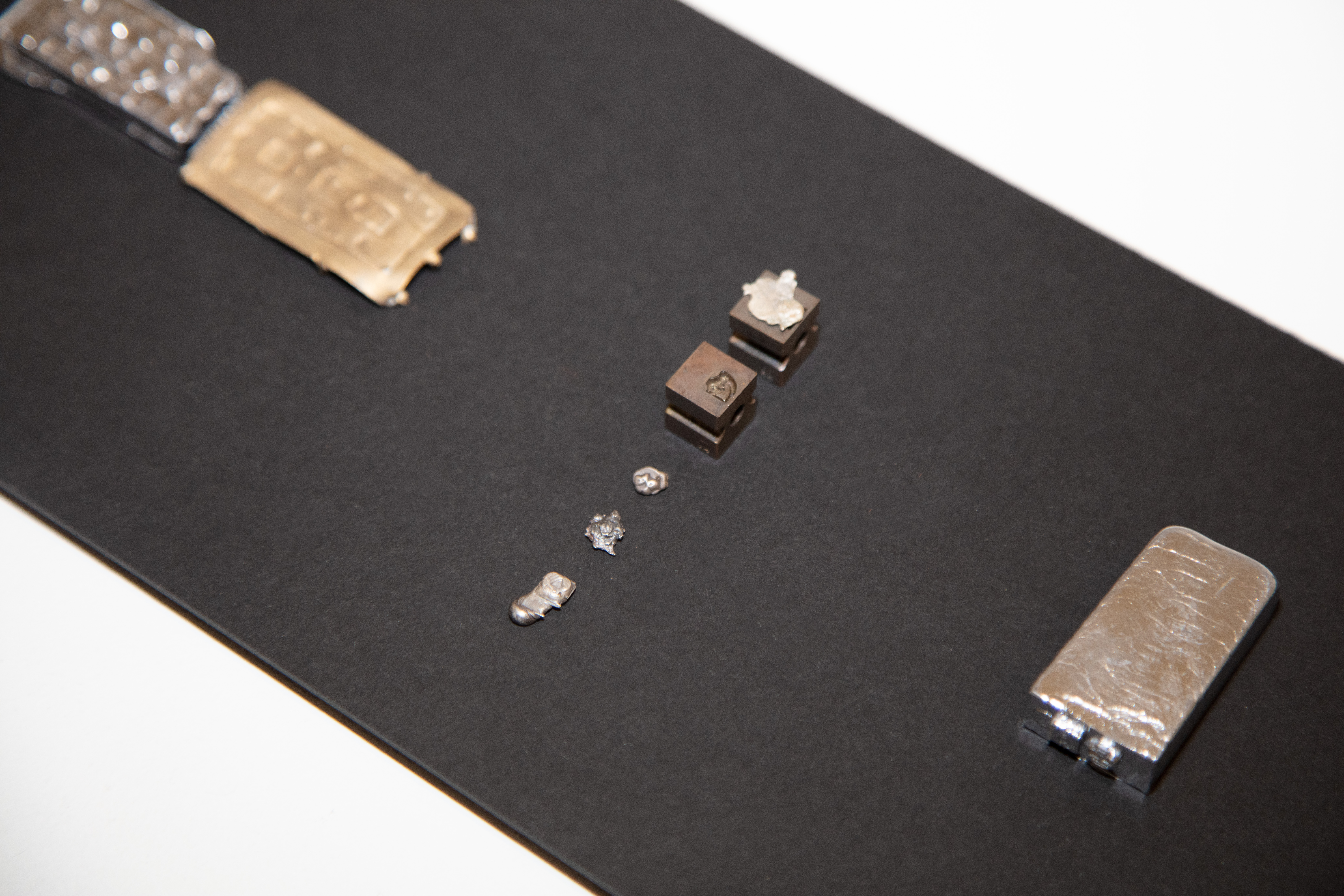
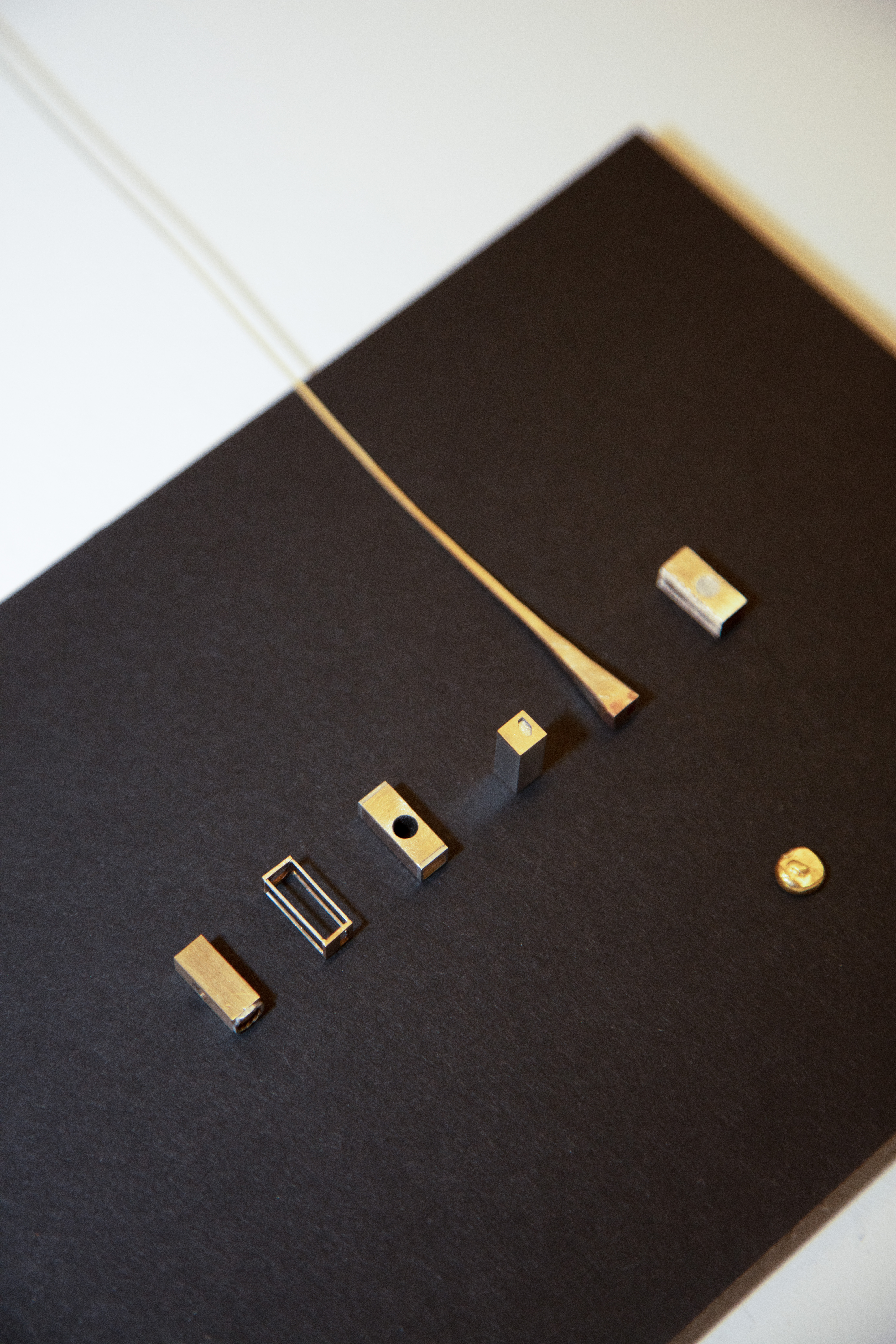
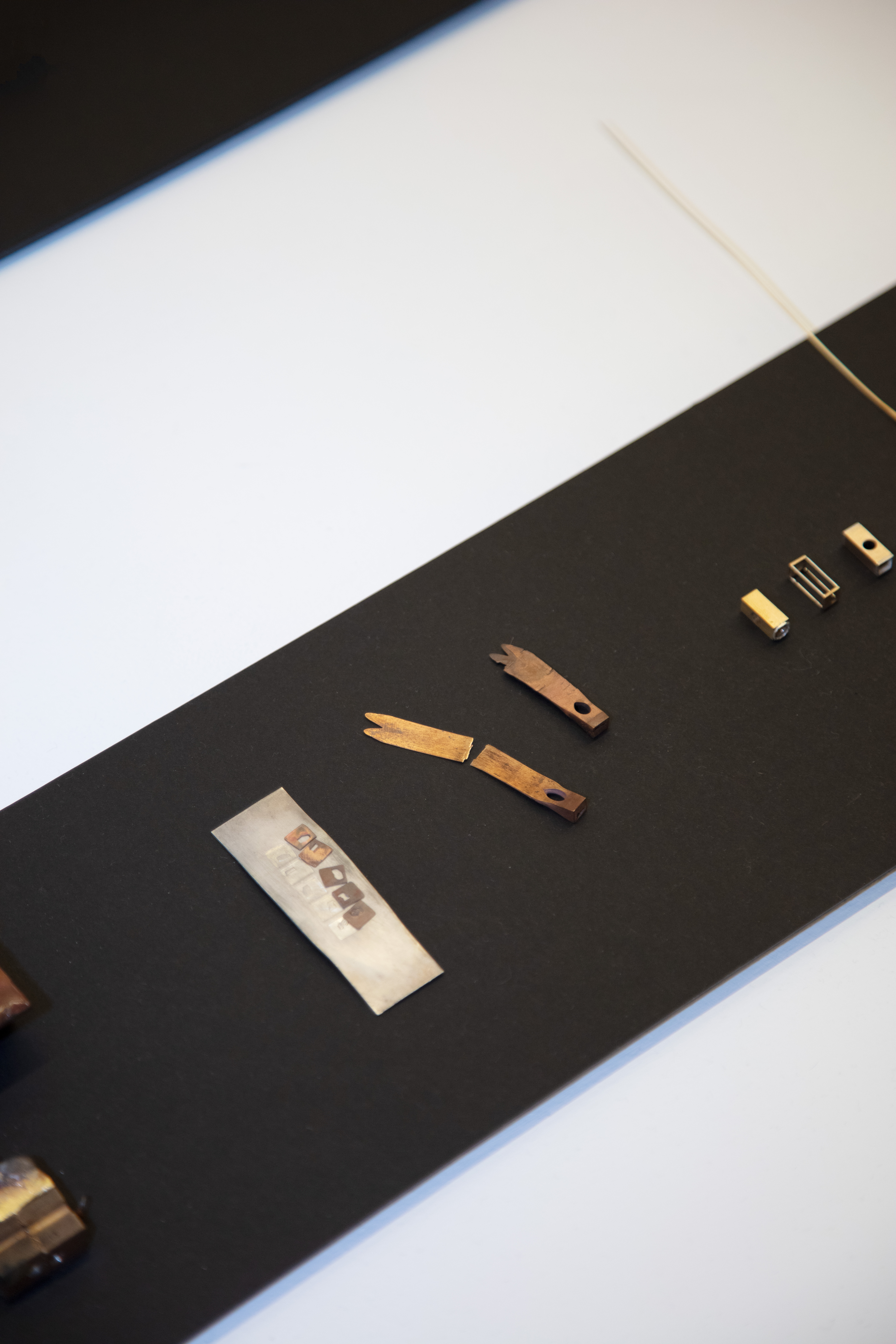
Specific Gravity, (working title for this new research) is a mix of precise models and quick and spontaneous experiments and samples. These early pieces have been inspired by time immersed in the Case Room which has brought to life both the artistry and the technical skill in the developments of moveable type and in particular the innovations of the goldsmith Johannes Gutenberg.
“When letters first began to take shape, eyes and hands worked together, letters and reading distance evolved side by side” *
As an artist, the intricacies and detailing within type, spacing, both micro and macro, and the influences of visual illusion and optical principles, of how we see, perceive and read, will be ongoing themes for this research.
* While You’re Reading by Gerard Unger
Work in Progress Show - Visible Language
27th October - 18th November 2022 - Reid Building GSA
Participants
Steve Rigley, Edwin Pickstone, Frances Robertson, Elaine Bremner, Andrew Lamb and Paul Maguire
"This show presents initial work from GSA academic staff members of the research cluster centred on the GSA Letterpress Caseroom. Our aim is to activate the research potential of this unique studio space through cross-disciplinary material exploration.
Using the Caseroom as both archive and provocation we have begun to explore our initial brief through the lens of our own practices key themes which include: text as image; image as text; language into form; and form into language, with focus on materiality, craft, process, physicality and print history. Our initial conversations and practical experiments examined shared craft heritage between print culture and other specialist practices, such as type cutting and fine casting within Jewellery (the technical origins of Western typography arise partly from Gutenberg's craft as a goldsmith), or block printing within Textiles. Staff from the multiple departments involved have developed unexpected initial outcomes through re-interpretation of the knowledge-making methods and traditions of Letterpress.
Some first insights of our collaboration include exploration of translation/ transformation through code which appears in the textile-based outcome and the image sound rendering of Monotype casting instructions. As computer buffs will know. Jacquard weaving, as seen here, offered a first template for inventors of prototype computer mechanisms. Other contributions explore the materiality of type metal and other alloys, and the material presence of letters? Finally, the rich tradition of print trade promotions is considered from the perspective of creative writing practice.
A Caseroom is the space devoted to storing the metal types that were used in letterpress printing. This was the predominant medium of written text in the West after the invention of the printing press c. 1450.
The GSA Caseroom is the largest letterpress facility in Scottish HE. It houses approximately 300 cases of metal type and an extensive collection of wooden type, comparable with any UK/BU WET It is home to multiple printing presses and associated machinery, the oldest of which date from the mid-nineteenth century.
The Caseroom is the only Scottish member of the European Association of Printing Museums and a founding member of the International Association of Printing Museums”