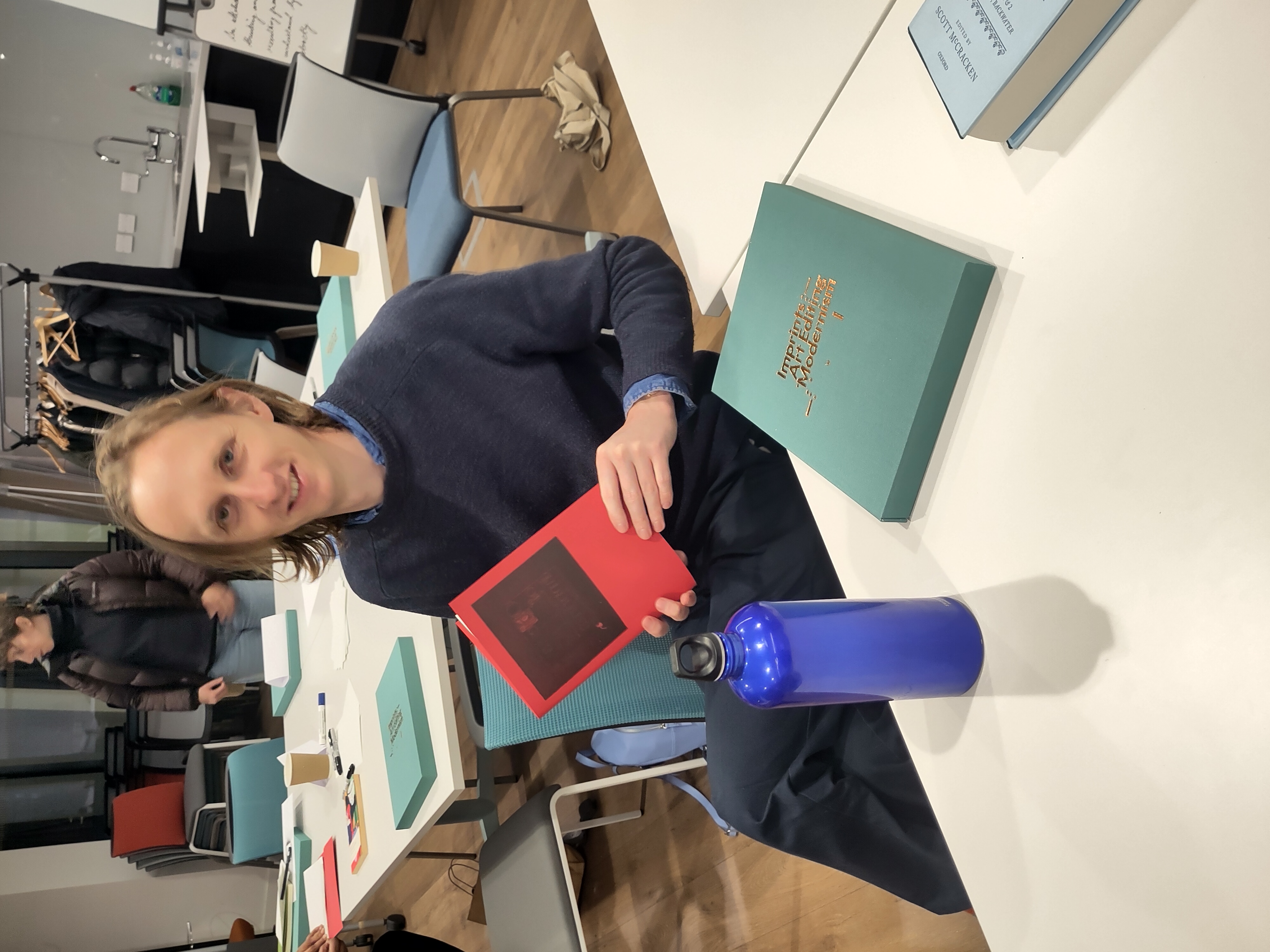
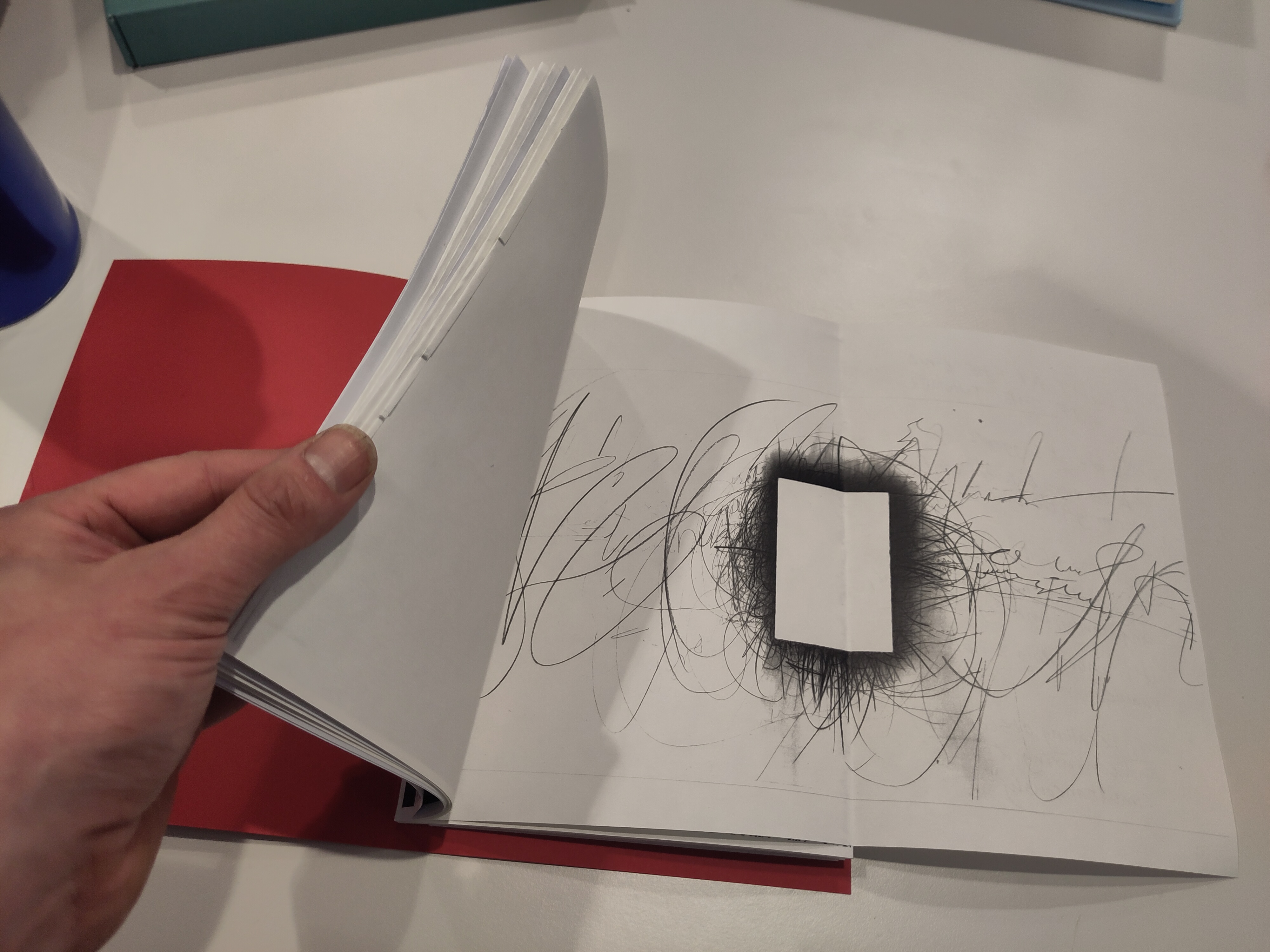
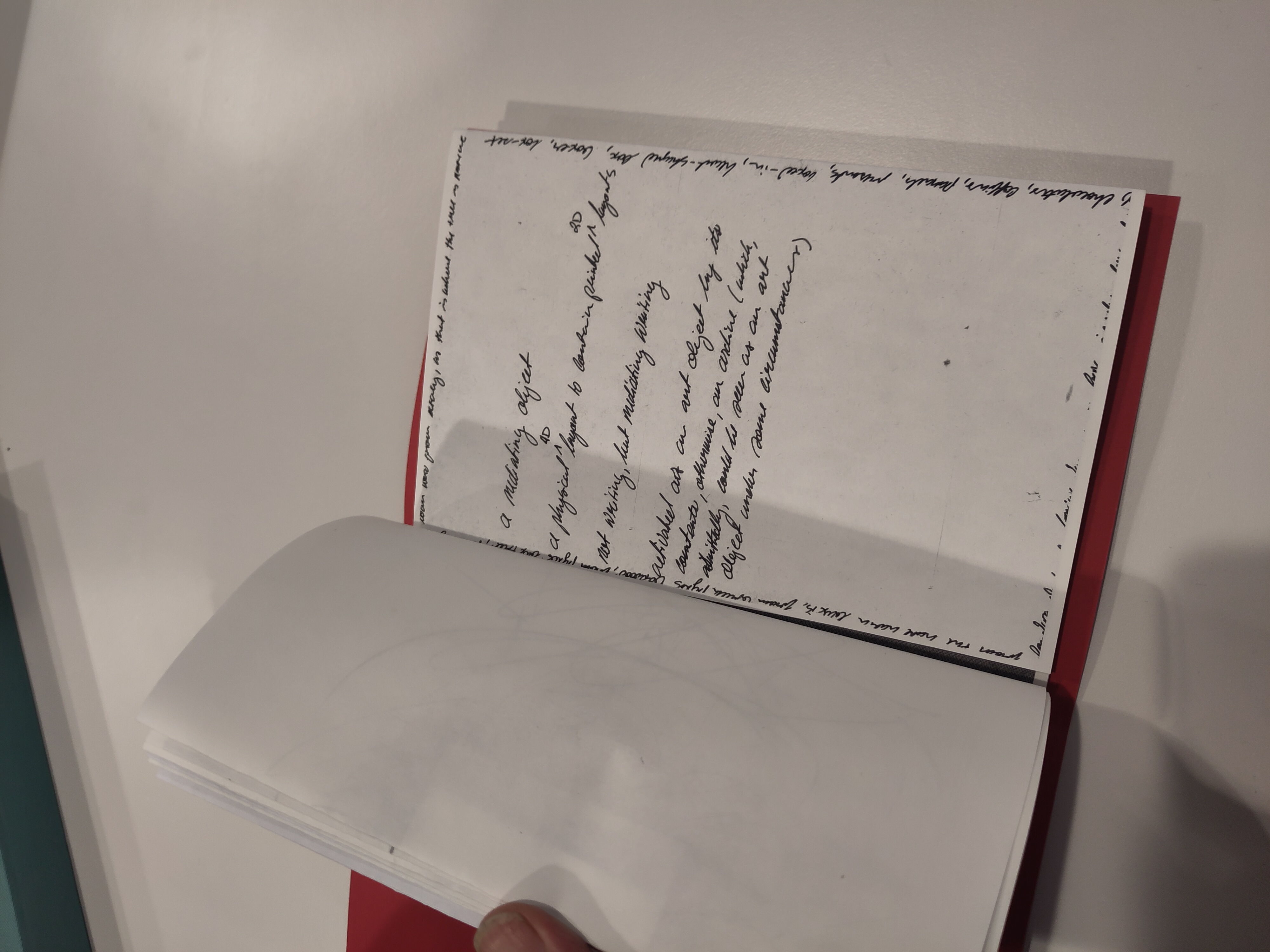
This free two-day workshop takes as its focus the publication Imprints: Art Editing Modernism, a multi-format work which was one of the outcomes of the Imprints of the New Modernist Editing project, exploring the relationships between visual art, editing practices, and the experimentation associated with modernist literature.
The workshop, organised by the Textual Editing Lab, will give participants the opportunity to explore how this publication explored and expressed the interdisciplinary interests of the project. The aims of the event will be to:
a. Give participants the opportunity to engage with the content of the publication as a collaborative collection of creative and intellectual responses to editing modernism, as a prompt to further creative work in this area
b. Enable wider creative discussion of the concept of editing, including editing a collaborative publication such as this one.
c. Give participants an understanding of, and potential model for, collaborative editorial practice across disciplines, including discussion of practical as well as creative challenges and opportunities.
It will be organised around five sessions, each led by an individual involved in designing, making or contributing to the publication, and which may have some practical elements. The workshop leaders are:
Anna Chapman Parker, visual artist (workshop participant, contributor to the exhibition and publication)
Joanna Peace, freelance artist, writer and educator (invited contributor to the publication)
Edwin Pickstone, Lecturer, Designer in Residence and Typography Technician, The Glasgow School of Art (project co-lead)
Bryony Randall, Professor of Modernist Literature, University of Glasgow (project lead)
Session 2
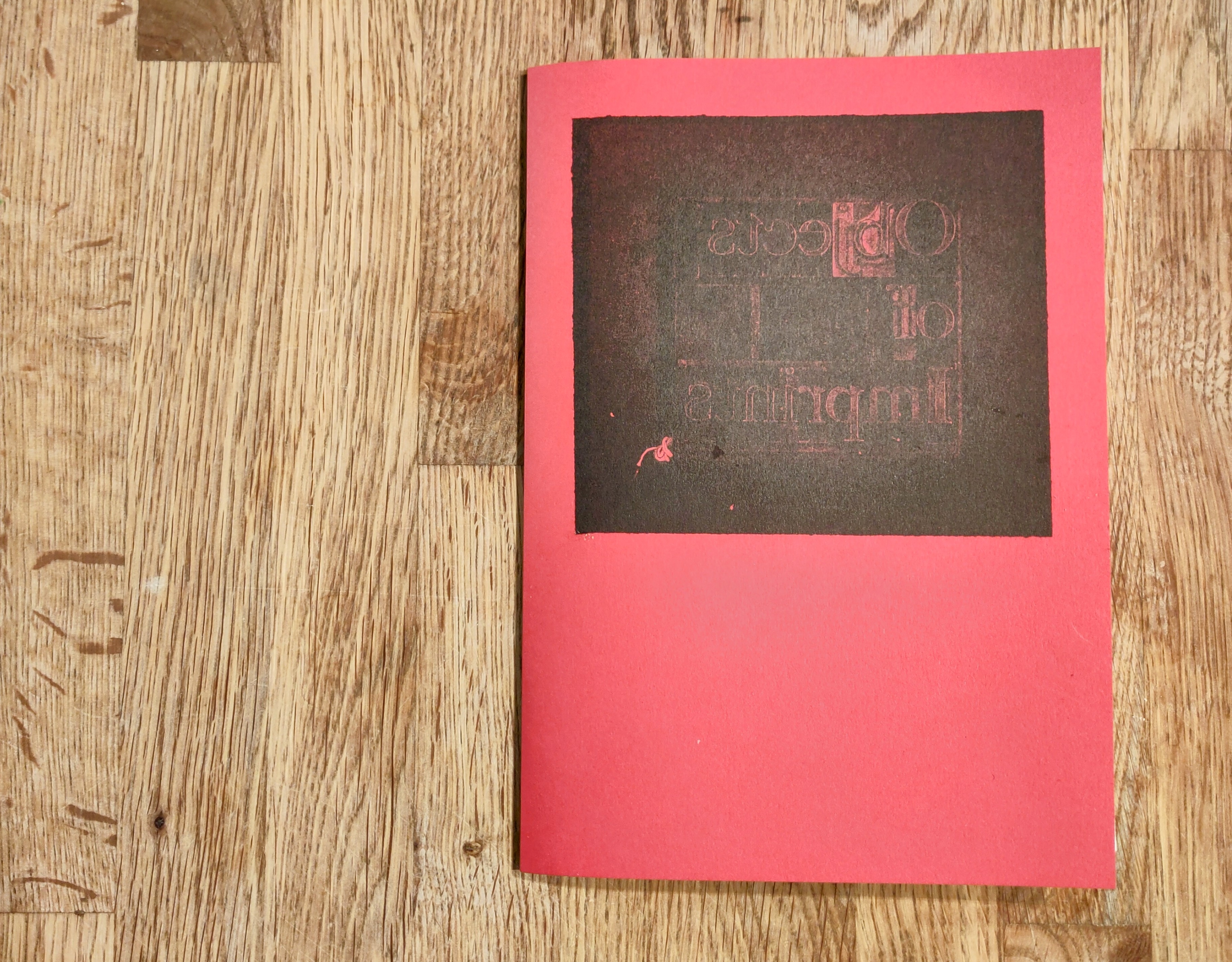
Objects of Imprints: Editing and Typography with Edwin Pickstone.
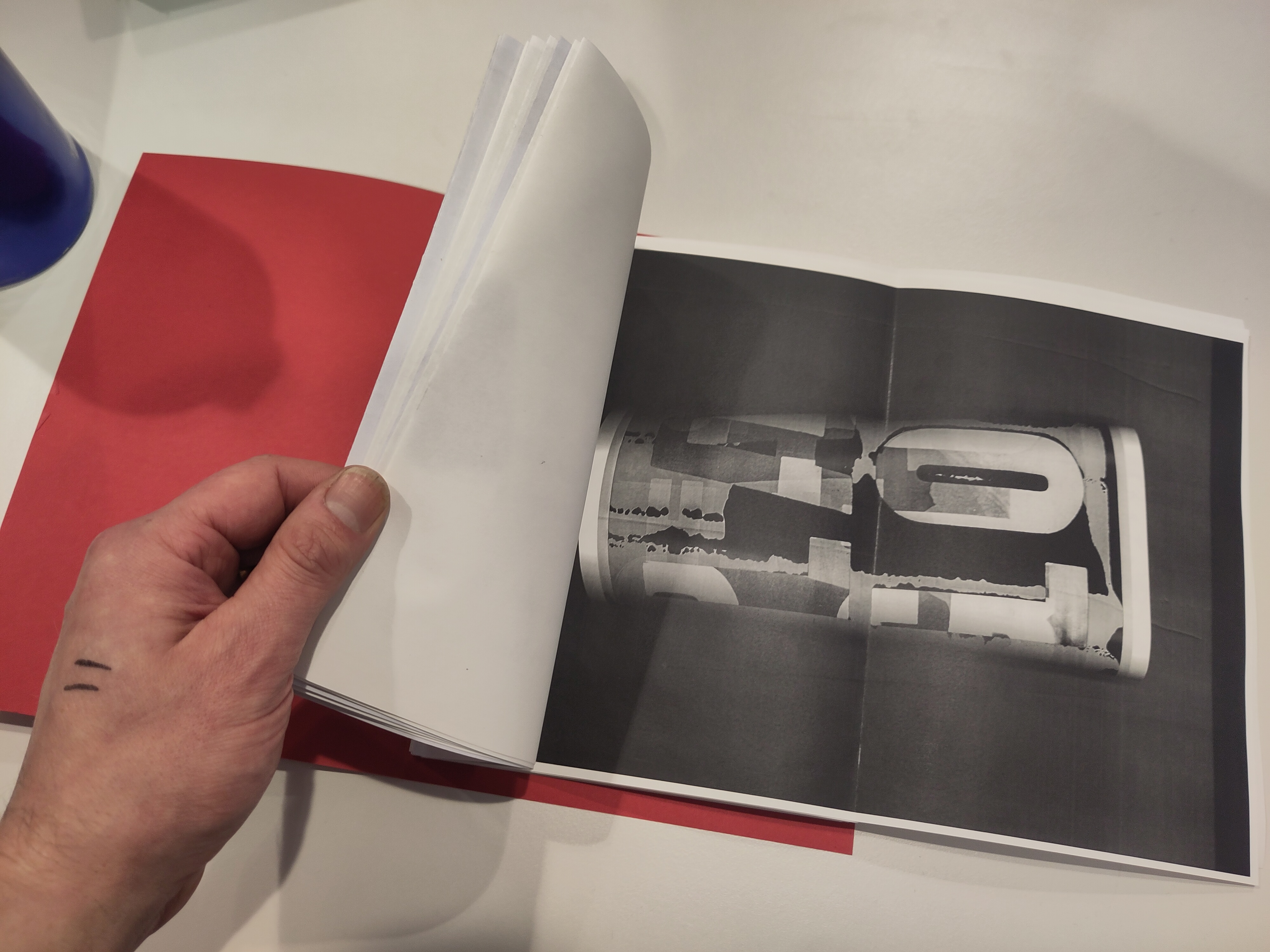
Taking as its starting point a collection of 'printing and printed objects' related to the Imprints of New Modernist Editing Publication this session will begin with a historical review of the relationship between the technology and aesthetics of print before using an object handling session to engage participants with a range of common and unusual print artefacts. The second half of the workshop will use materials created in the object handling session (notes, drawings, written responses) to create a publication showing each participant's response to their 'print object'. The session provides a hands-on exploration of themes of editing, design and modernism, breaking down the fundamental anatomy of typography and its application, developing participants’ understanding of print and low-cost publishing to apply in their own creative or professional practice.